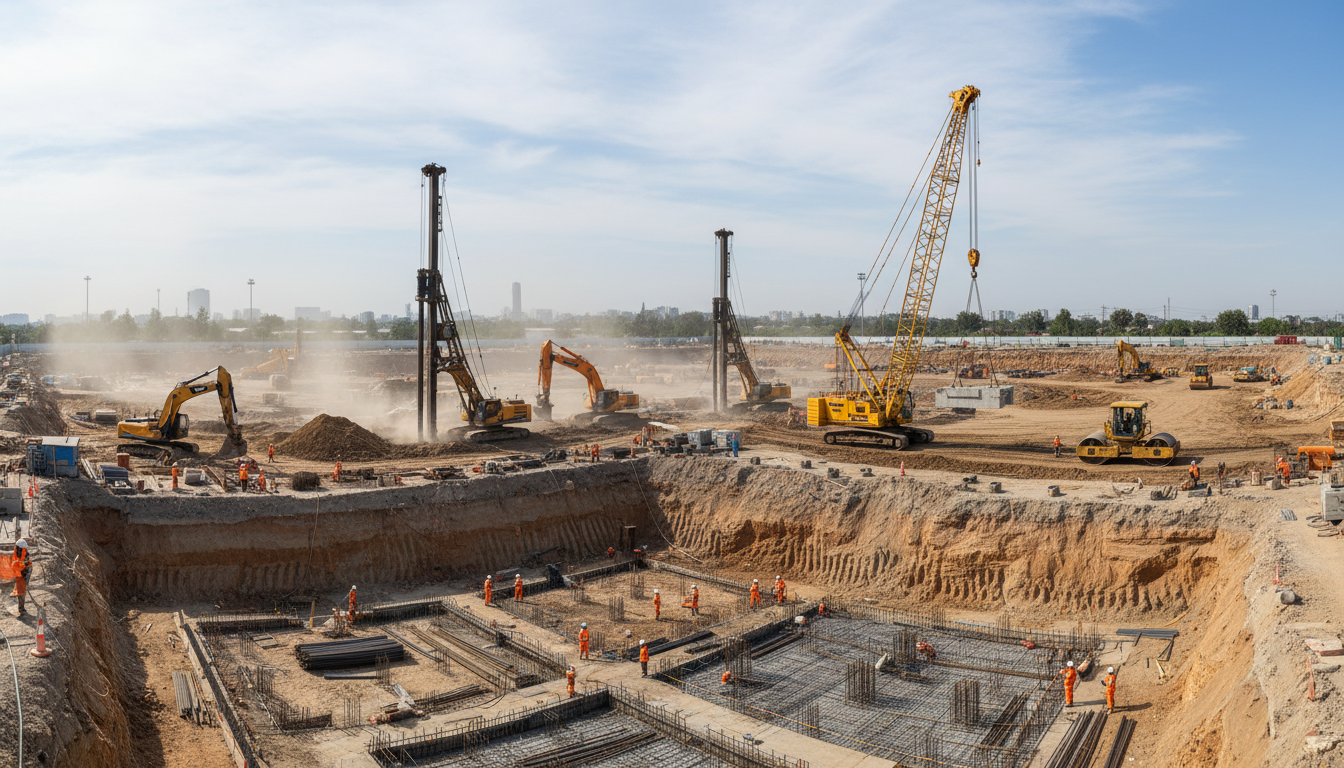
Cut and fill grading Orange County is a land development technique where soil is excavated from hillside high points and repurposed to level out lower sections of a property. This method creates a balanced building pad that minimizes the need for dirt hauling while adhering to strict local geotechnical and compaction requirements. It is the standard approach for preparing sloped terrain and canyon lots for stable residential or commercial construction.
Developing a hillside lot in Orange County often feels like a battle against the terrain, especially when dealing with steep slopes and strict municipal codes that can stall a project before the foundation is even poured. In our region, the complexity of cut and fill grading is compounded by expansive clay soils and the necessity of maintaining a balanced site to avoid the high costs of exporting or importing dirt. Getting this initial stage right is not just about aesthetics; it is the fundamental step that ensures structural stability and long term drainage performance for your property. This guide breaks down the essential mechanics of leveling Orange County topography, including how we navigate the three foot rule, manage local soil stability, and utilize specialized equipment like Bobcat grading for tight access hillside pads.
Understanding Cut and Fill Grading for Orange County Topography
Orange County topography is defined by its diversity, ranging from the steep coastal bluffs of Laguna Beach to the rugged, winding canyon lots of Silverado. Because naturally flat land is a luxury in Southern California, most residential developments, renovations, or Accessory Dwelling Unit (ADU) projects require professional cut and fill grading Orange County to become viable building sites. In these regions, a project often cannot move forward until the vertical challenges of the lot are addressed through precise earthwork.
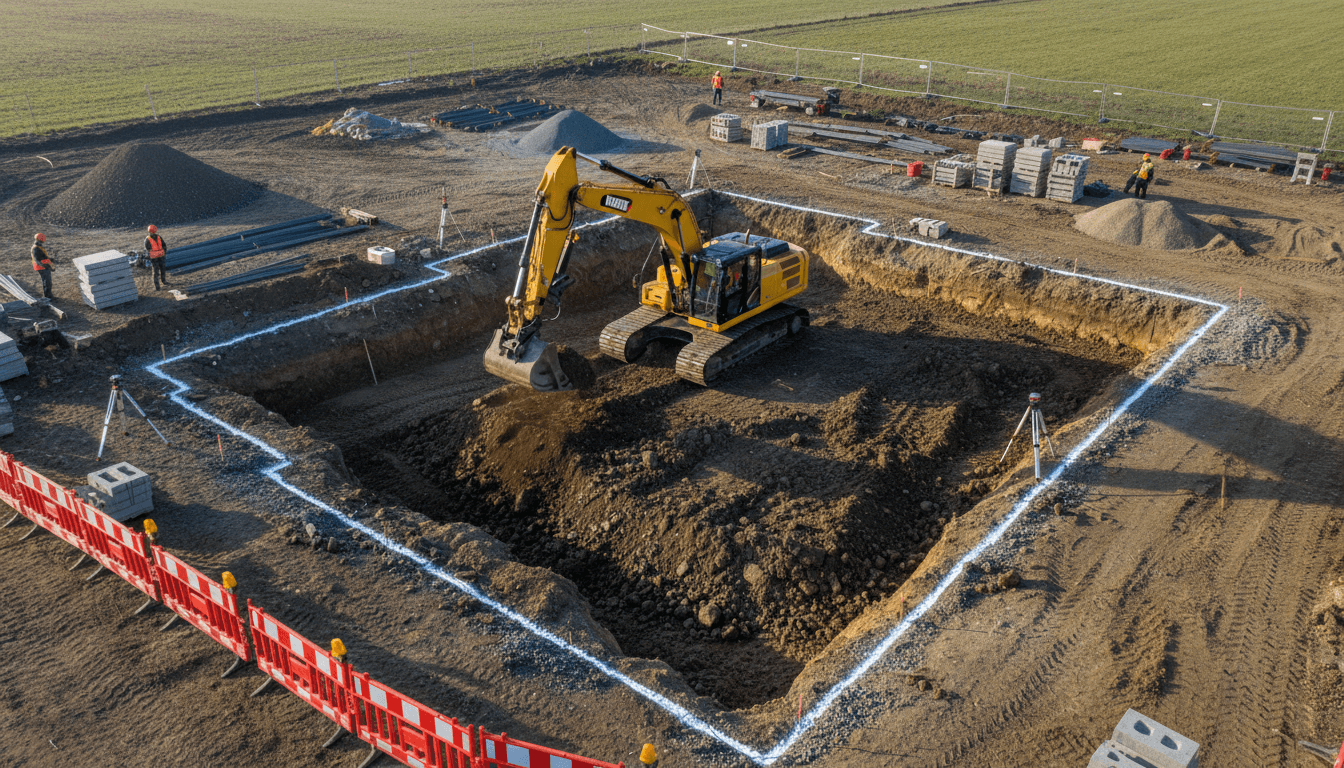
The process of cut and fill is a fundamental earthmoving technique designed to create a stable, level building pad on uneven terrain. Cutting refers to the excavation and removal of earth from the high points of a slope to bring them down to a specified elevation. Conversely, filling involves taking that excavated material and placing it in lower elevations to raise the grade. By strategically moving earth from one area of the lot to another, our grading and hauling experts can transform a steep, unusable hillside into a functional space ready for a foundation.
In our 20 years of experience providing comprehensive earthwork and grading solutions, we have seen how critical this initial stage is for project success. Without precise execution, a site remains prone to drainage issues and structural instability. For homeowners in established neighborhoods looking to add an ADU, this often means working in tight-access areas where the goal is to balance the earthwork, ensuring the finished pad meets the exact elevation requirements specified by the engineer. If you are starting a new project on a sloped lot, you can contact Orange County Site Work Services to discuss the logistics of your site preparation.
The Importance of a Balanced Site: Cut vs Fill Calculations
Achieving a "balanced site" is the primary goal of any efficient earthwork plan in Southern California. In the context of cut and fill grading Orange County, a site is considered balanced when the volume of material excavated from high points exactly matches the volume required to raise low points to the desired elevation. For homeowners, this balance is not just a technical preference; it is a financial necessity. Exporting excess dirt or importing structural fill can increase project costs by thousands of dollars due to hauling fees, fuel, and disposal permits.
Many clients ask, "How do I calculate cut and fill?" While our team uses grade rods, laser levels, and physical stakes to execute the plan on-site, the initial calculations are typically handled by civil engineers using sophisticated 3D modeling software. This software accounts for "shrink and swell" factors, as soil often expands when excavated and compacts when placed. It is important to distinguish cut and fill vs grading. While grading is the broad category of reshaping land for drainage and aesthetics, cut and fill is the specific structural technique used to establish the flat building pad itself. By prioritizing a balanced site, our grading and hauling experts ensure your project remains efficient, avoiding the logistical headaches of moving large quantities of material through narrow coastal streets.
Navigating Orange County Expansive Clay and Soil Stability
While balancing the volume of earth is a logistical win, the structural integrity of a building pad depends entirely on the stability of the soil being moved. In regions like Laguna Hills, Mission Viejo, and the surrounding canyons, we frequently encounter expansive clay soils. These soils are notorious for their high shrink-swell potential, meaning they expand significantly when saturated and contract as they dry. If a contractor performs cut and fill grading Orange County without accounting for these specific soil mechanics, the result is often foundation cracking, slab heaving, or slope failure once the seasonal rains arrive.
Effective fill is never a matter of simply dumping dirt into a low spot. To ensure a stable surface, the soil must be placed in thin layers called lifts and subjected to rigorous mechanical compaction. The Orange County Grading Manual mandates specific standards for this process, often requiring compaction to reach 90 or 95 percent of the soil's maximum dry density. Achieving this requires precise control over moisture content; if the clay is too dry, it will not knit together, and if it is too wet, it becomes unstable under the weight of the equipment.
For any significant land movement in the county, a geotechnical soil engineer must be involved. They provide the specific compaction recipe for your lot and perform onsite testing to verify that each lift meets the required density before the next layer is added. Our team coordinates closely with these engineers to ensure every square foot of the pad is structurally sound. By adhering to these strict geotechnical standards, our grading and hauling experts provide a foundation that remains stable despite the volatile nature of local clay. If you are concerned about the soil quality on your hillside property, you can contact Orange County Site Work Services to review your site’s specific requirements and ensure your comprehensive earthwork and grading solutions are executed to code.
Orange County Hillside Grading Codes and the Three Foot Rule
Adhering to local regulations is the next critical step after identifying soil types. The Orange County Public Works department sets rigorous standards for any project involving significant earthwork. A key threshold for homeowners to understand is the Three Foot Rule. In many jurisdictions across the county, a site is officially classified as a hillside lot if the proposed cut and fill grading Orange County involves a vertical cut or fill of three feet or more. Once this depth is reached, or if the total volume of moved earth exceeds 50 cubic yards, a formal grading permit is required. This process ensures that the structural changes to the land do not compromise the integrity of the surrounding hillside.
For properties in Laguna Beach or Newport Coast, meeting these codes requires more than just leveling the ground. Drainage is just as vital as compaction. Our grading and hauling experts know that water must be strictly managed to prevent erosion on newly created fill slopes. Local codes often mandate the installation of V-ditches or terrace drains to intercept surface runoff before it can saturate the slope face. By implementing these comprehensive earthwork and grading solutions, we ensure that your building pad remains stable during heavy seasonal rains. If you are unsure if your project requires a permit, you can contact Orange County Site Work Services to discuss the specific requirements for your municipality.
Step by Step: How a Hillside Lot Gets Leveled

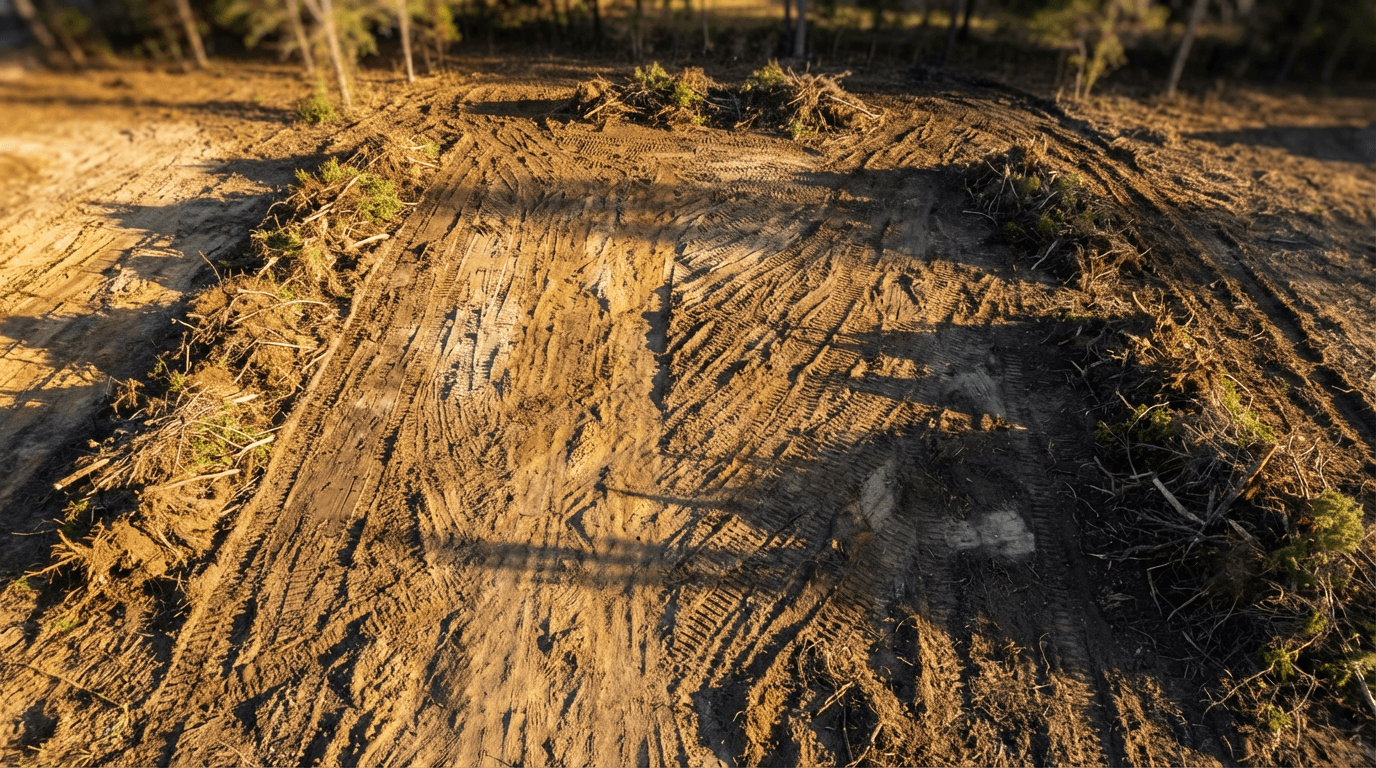
Executing a successful project requires a systematic approach to transforming a slope into a buildable pad. The process begins with clearing and grubbing, where all vegetation, debris, and organic root systems are removed. Leaving organic material behind is a common mistake that leads to localized settling once the fill is placed, so every cubic yard of topsoil must be properly managed.
Once the site is clear, our grading and hauling experts set grade stakes to mark the precise elevations defined by the civil engineer. For hillside lots, this stage involves "benching," which is the practice of cutting horizontal steps into the existing slope. These benches provide a stable, level interface for the new fill to bond with, preventing the material from sliding down the hill over time.
During the cut phase, excavators or Bobcats remove earth from the high side of the lot. This material is then repurposed during the fill stage, which must be executed in "lifts." Lifts are thin layers of soil, typically six to eight inches deep, that are individually moisture-conditioned and mechanically compacted. This layering ensures the entire depth of the fill reaches the structural density required for a foundation.
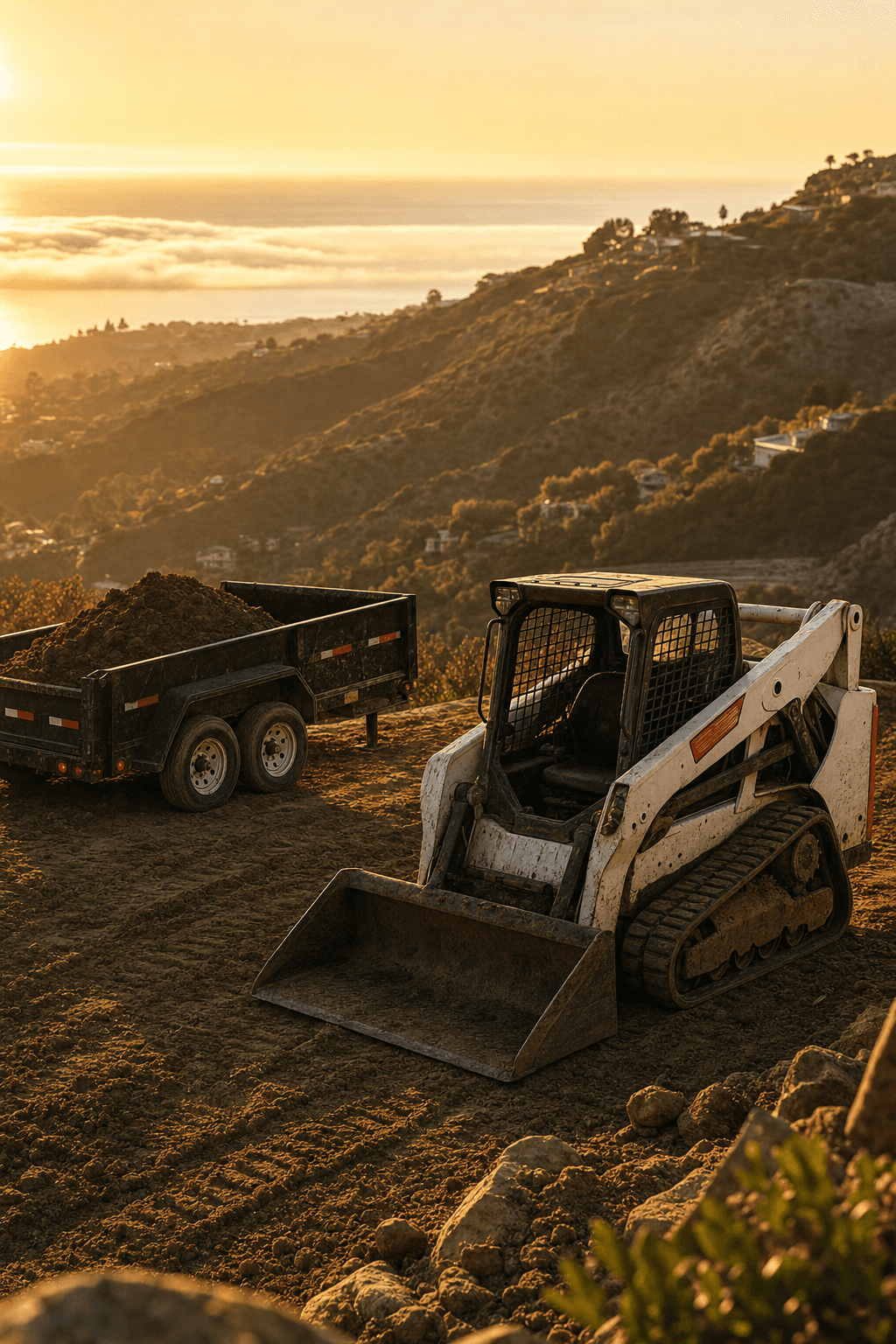
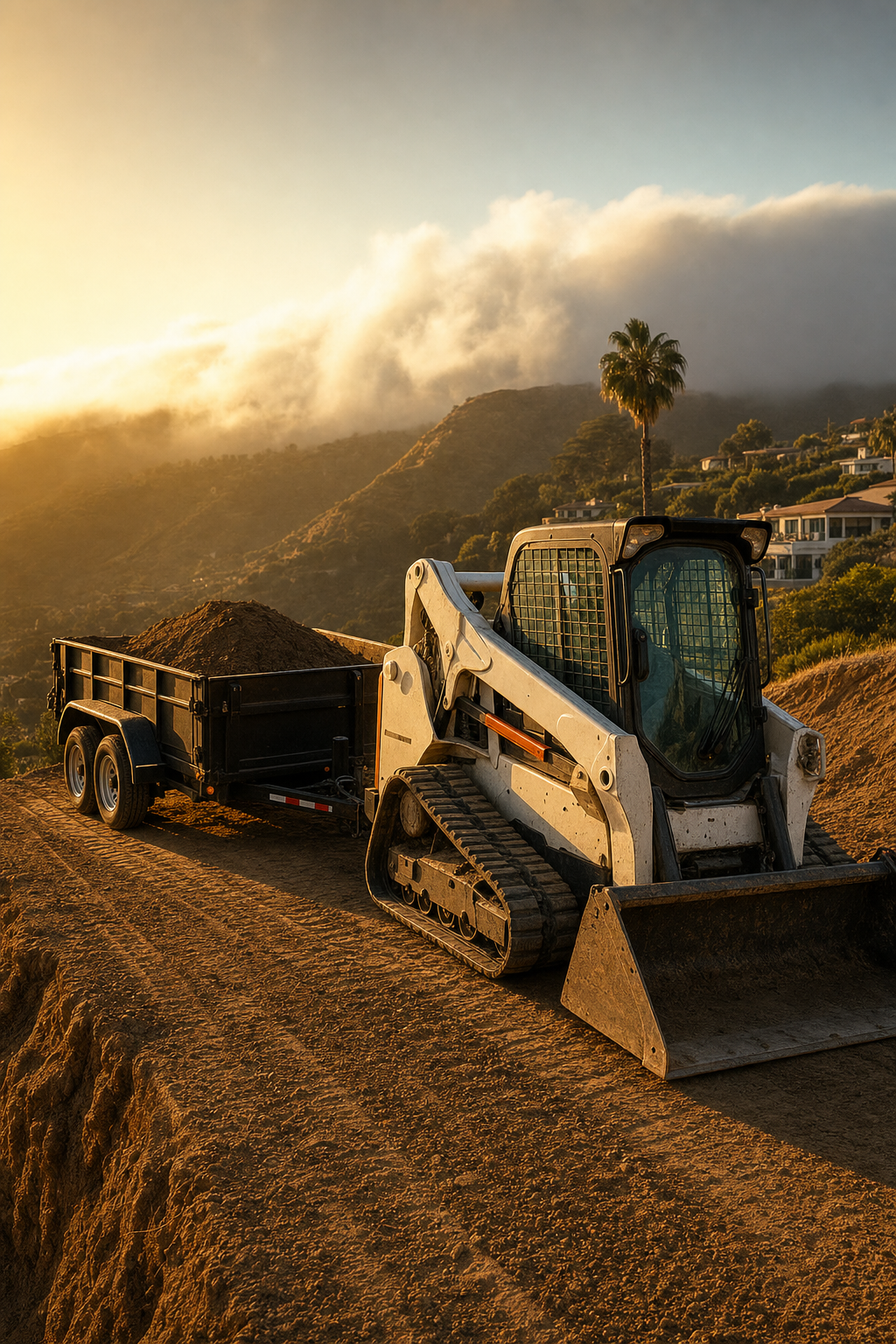
On tight-access canyon lots in areas like Silverado or Trabuco Canyon, moving excess material requires specialized equipment. We utilize dump trailers that can navigate narrow, winding roads where large tri-axle trucks cannot reach. The final step of cut and fill grading Orange County is the finish grade, where we shape the surface to ensure water flows toward the street or designated drainage systems, protecting the property from erosion. For a detailed assessment of your site, you can contact Orange County Site Work Services to discuss our comprehensive earthwork and grading solutions.
Equipment Matters: Bobcat Grading for Tight Access Hillside Pads
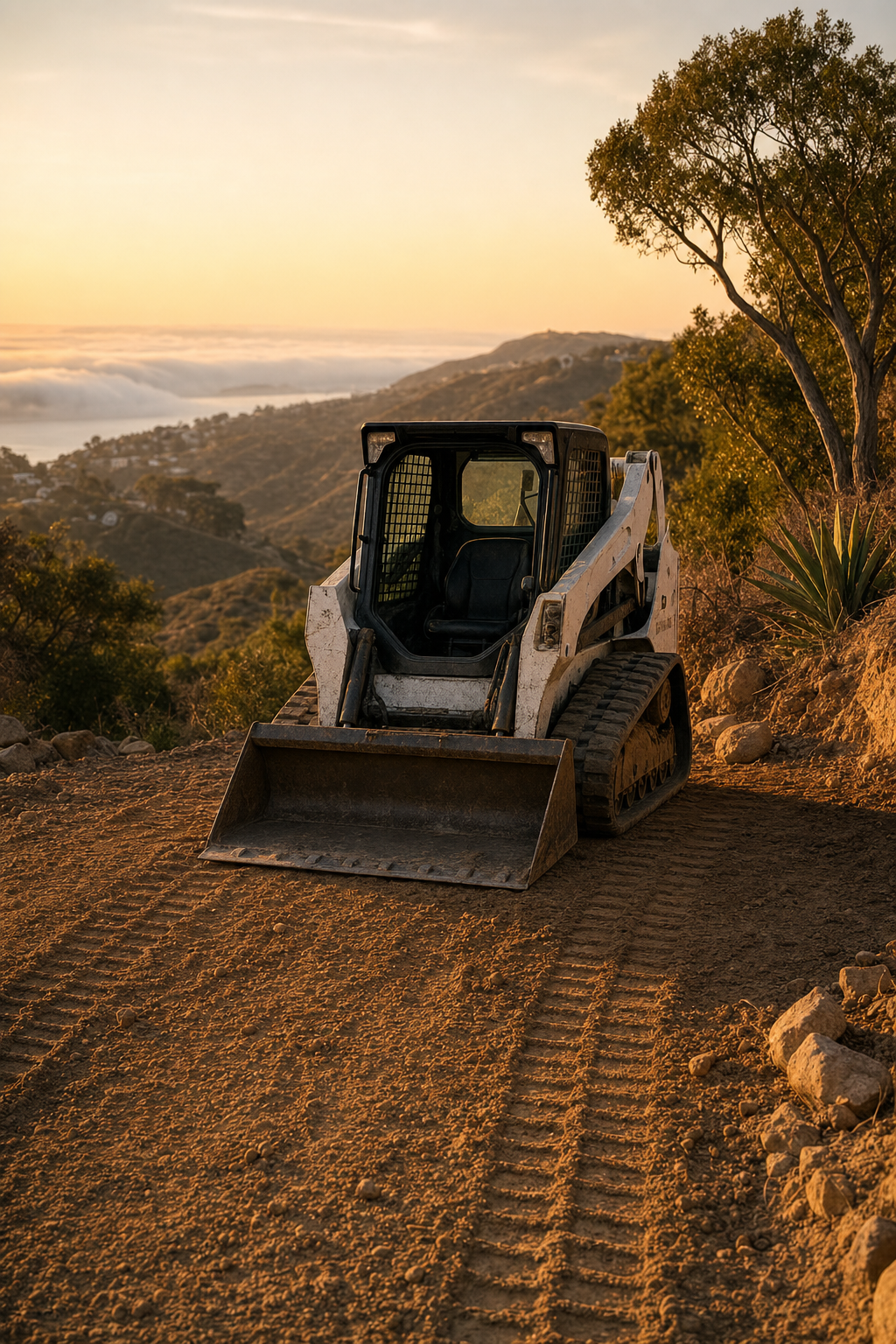
The success of cut and fill grading Orange County often hinges on selecting the right tools for the specific constraints of the property. In coastal communities like Laguna Beach or established neighborhoods in North County, access is frequently limited to narrow side yards or steep, winding driveways. Large dozers are often impractical in these environments because they risk damaging neighboring structures or existing infrastructure. Instead, we utilize compact track loaders and Bobcats to achieve the necessary results.
These machines offer the high power to weight ratio needed for heavy excavation while maintaining the precision required to level a pad in a confined space. A compact loader allows our grading and hauling experts to maneuver within inches of a foundation wall or a property line, ensuring the cut is exact and the fill is placed precisely where the engineering plans dictate. Operating machinery on the steep grades of Southern California requires a seasoned hand. Having been established in 2004, our team brings over 20 years of expertise to every project, safely navigating vertical challenges that would stop less experienced operators.
By combining specialized equipment with our comprehensive earthwork and grading solutions, we deliver a stable, buildable site even on the most difficult lots. If your property has restricted access or significant elevation changes, you can contact Orange County Site Work Services to discuss the best equipment strategy for your specific project.