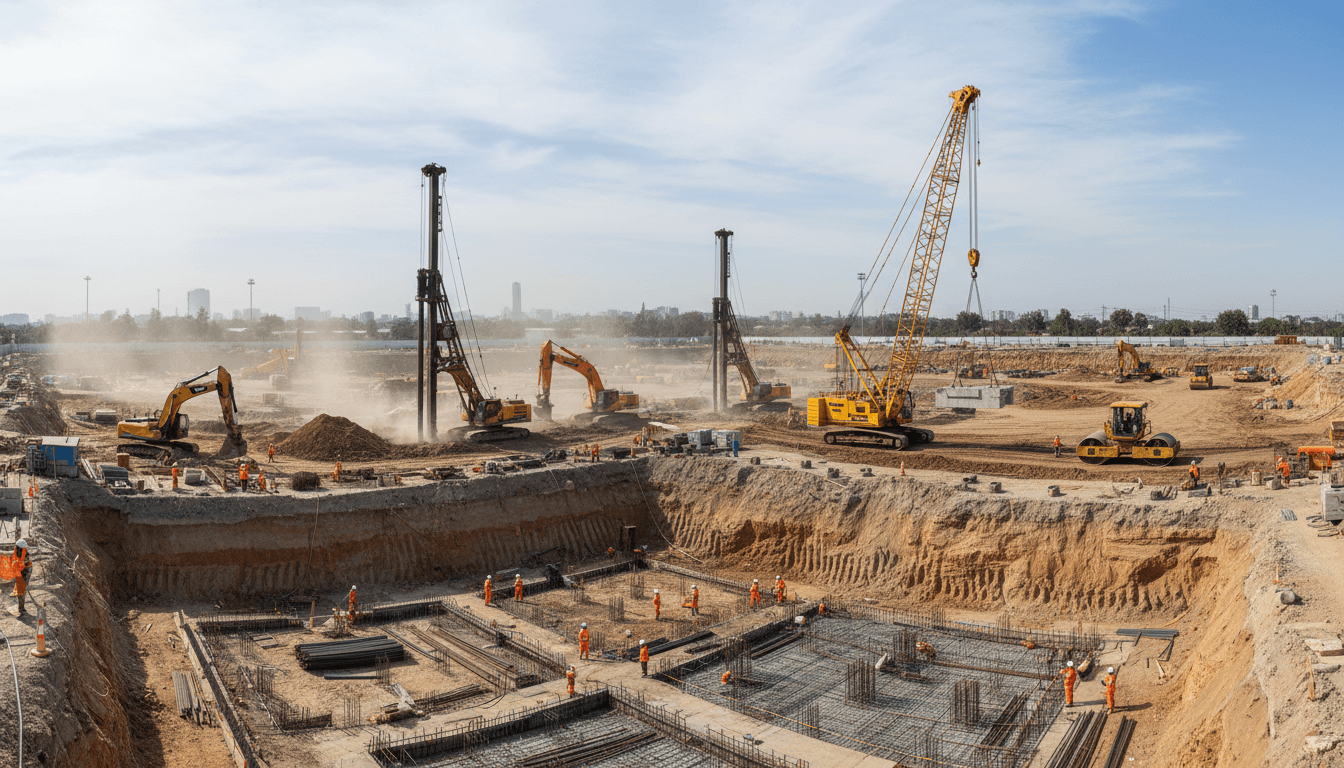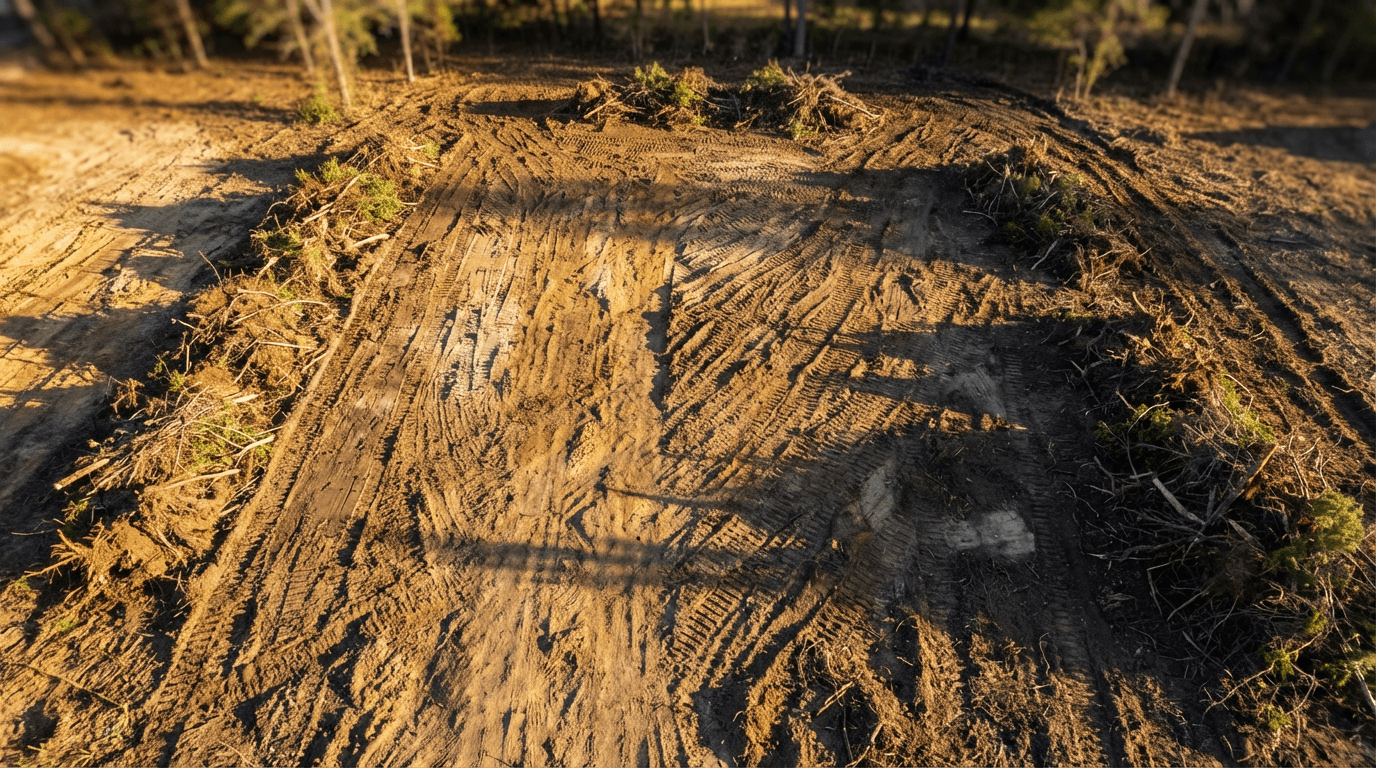
Site preparation orange county involves clearing vegetation, grading the land to create a level building pad, and conducting professional surveys to locate underground utilities. Developers must also remove old foundations or unpermitted structures while preparing for excavation and infrastructure installation; costs typically vary based on terrain difficulty and the density of existing trees.
Developing a custom home or commercial property in Orange County is a significant undertaking that often begins with a daunting series of logistical hurdles. Many owners feel overwhelmed by the complexity of local zoning codes, coastal soil stability, and the strict environmental regulations that define Southern California construction. Proper site preparation is more than just moving dirt; it is the critical phase where potential risks are mitigated and the structural integrity of your future building is secured. In this comprehensive guide, we provide a professional checklist to help you navigate the essential steps of land development. You will learn the importance of geotechnical reports, the nuances of obtaining grading permits, and the technical requirements for utility trenching. By understanding the intricacies of lot clearing and erosion control, you can ensure your project moves from a raw landscape to a shovel ready site without unnecessary delays.
Why Site Preparation in Orange County is Different
Site preparation in Orange County demands a specialized approach that differs significantly from generic national construction standards. Our local terrain is defined by expansive clay soils, which expand when wet and contract when dry. This cyclic movement places immense stress on foundations. If the groundwork phase lacks proper structural fill compaction, the resulting soil instability often leads to severe foundation cracks or slab heaving within just a few years.
The regulatory environment also sets this region apart. In coastal communities like Laguna Beach or historic areas like San Juan Capistrano, strict hillside grading regulations and California Coastal Commission oversight dictate how we manage excavation and trenching. Beyond structural stability, site preparation in Orange County must address the persistent threat of wildfires. Correct site prep requires establishing defensible space by clearing specific vegetation types to meet local fire authority codes.
Skipping these critical steps or hiring an inexperienced crew can result in disastrous drainage failures. In our experience, water management is the most overlooked aspect of the process. Poorly graded lots in Orange County often suffer from non-porous clay causing water to pool against the foundation. This creates long term liabilities that are far more expensive to fix than it is to perform the initial site work correctly from the start.
Step 1: Land Surveying and Boundary Staking
Before any specialized equipment arrives on site, professional land surveying establishes the legal and physical framework for the build. In the dense residential pockets of Orange County, where property values are high and lot lines are often tightly packed, a margin of error measured in inches can trigger costly legal disputes or stop work orders from city inspectors. A licensed surveyor must mark exact property boundaries, building setbacks, and existing easements to ensure your project remains compliant with local zoning codes.
Equally important is the identification of existing underground infrastructure. We advise clients to perform a thorough utility locate during this initial phase. Discovering a buried gas line or a legacy sewer lateral mid excavation can halt production and cause thousands of dollars in emergency repair costs. By mapping these constraints early, your excavation and trenching plan can be adjusted to maintain safety and efficiency. This foundational step ensures the rest of your site preparation orange county project moves forward without administrative or physical setbacks.
Step 2: Soil Testing and the Geotechnical Report
Once the boundaries are established, the next phase of site preparation orange county moves from the surface to the subsurface. Property owners often ask what specific preparation is needed to ensure a building remains stable over time. The primary requirement is a comprehensive Geotechnical Report, which serves as the technical blueprint for all subsequent excavation and trenching work.
Orange County is defined by its expansive clay soil, a material that acts like a sponge. It swells when wet and shrinks when dry, a cycle that exerts thousands of pounds of pressure on foundations. To mitigate this, the geotechnical engineer will specify the depth of over-excavation needed. This process involves removing the native, unstable soil and replacing it with imported, non-expansive material. Achieving precise structural fill compaction is the only way to prevent future settling or slab cracking. We use this report to determine the exact moisture content and lift thickness required during the grading process. This scientific approach differentiates professional site work from simple dirt moving; it ensures the ground meets the structural load requirements mandated by California building codes and local geological conditions.
Step 3: Lot Clearing, Grubbing, and Demolition

Once the soil report dictates the path forward, we begin the physical removal of surface obstructions. Lot clearing involves more than just felling trees; it requires grubbing, which is the total removal of roots, stumps, and buried organic debris. If left behind, this organic matter eventually rots, creating underground voids that compromise your structural fill compaction years later.
For projects in fire-prone areas like the Silverado or Laguna Canyons, we prioritize creating defensible space. This involves clearing specific vegetation types to satisfy Orange County Fire Authority regulations. Efficiency during this phase of site preparation Orange County is critical for your bottom line. Local landfill fees are scheduled for a significant spike in 2026, meaning the cost to dispose of demolition debris and green waste will become a much larger budget line item. By utilizing specialized equipment like Bobcats and high-capacity dump trailers, we maximize hauling efficiency to minimize disposal trips. This phase clears the way for the next stage of excavation and trenching, ensuring no legacy structures or root systems interfere with the new foundation.
Step 4: Navigating Orange County Grading Permits
With debris cleared, the next hurdle in site preparation orange county is securing legal authorization. You cannot simply start moving tons of soil without an approved grading permit. The requirements vary significantly depending on your project's location. For residential lots in unincorporated areas, such as Ladera Ranch or Coto de Caza, oversight falls under Orange County Public Works. However, if your lot is within city limits like Laguna Beach or Irvine, you must adhere to that specific municipality's engineering standards and fee schedules.
A core component of this application is the erosion control plan, often governed by a Storm Water Pollution Prevention Plan (SWPPP). California environmental standards are strict; you must demonstrate how you will prevent sediment from washing into local storm drains and protected coastal watersheds. This plan is a mandatory safeguard against heavy fines and work stoppages. Consulting an Orange County Grading Permit Guide early in the planning phase helps ensure your excavation and trenching schedule remains on track. Moving forward without these approvals risks legal liability and can fundamentally compromise the project's timeline and budget.
Step 5: Excavation and Rough Grading for the Building Pad

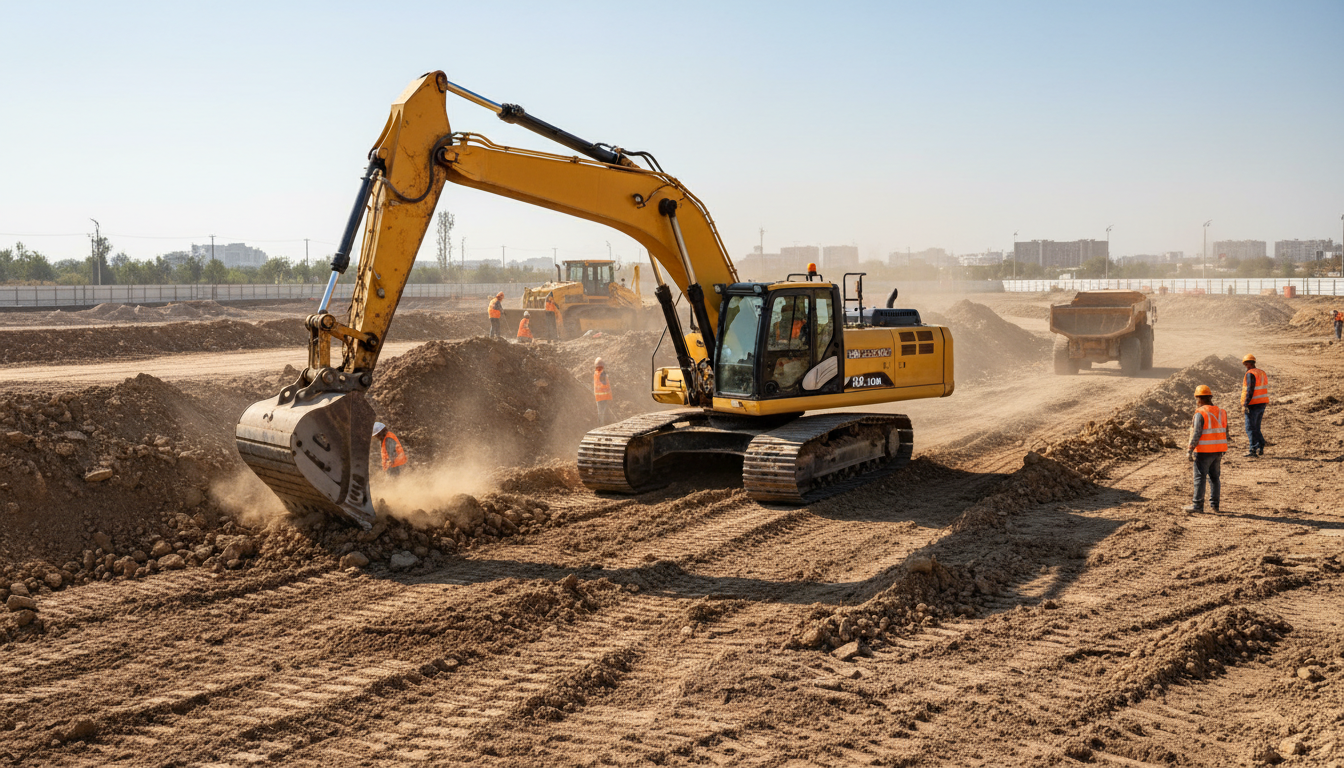
Once your grading permits are secured, we move into the actual earthmoving phase. Excavation and rough grading transform the raw terrain into a stable, level building pad. For hillside lots common in Laguna Beach or the North Tustin hills, we utilize a cut and fill technique. This process involves excavating soil from higher elevations, the cut, and using it to raise lower areas, the fill. By balancing the earth on-site, we minimize the need for expensive imported soil while creating the flat footprint required for your foundation.
Using specialized equipment like excavators for heavy digging and Bobcats for precision leveling, we strip the topsoil and begin the primary earthwork. However, simply moving dirt is not enough. Proper structural fill compaction is the most vital part of this stage. As we place soil in layers, or lifts, we must use mechanical rollers or vibratory plates to ensure the earth is dense enough to support the weight of the structure.
A key part of professional excavation and trenching is mandatory compaction testing. A field technician typically verifies that each lift reaches the specific density percentage required by your geotechnical report. This rigor is essential for site preparation orange county, as it prevents the home from settling or shifting as the moisture levels in the clay soil fluctuate.
Step 6: Trenching for Utilities and Underground Infrastructure
After establishing the rough grade, the focus shifts to the property’s subterranean infrastructure. This phase involves precision excavation and trenching for water, gas, electrical, and sewer conduits. California building and safety codes dictate specific minimum depth requirements and lateral separation distances that must be strictly followed to pass municipal inspections. For example, sewer laterals must maintain a precise downward slope or pitch to ensure proper flow, while primary electrical conduits often require deeper burial depths than secondary irrigation lines.
Strategic coordination is a primary driver for controlling the budget for site preparation orange county. We schedule utility trenching immediately following the rough grading of the building pad to maximize equipment efficiency. By utilizing the Bobcats and excavators already staged on-site, we eliminate the need for secondary mobilization fees and additional equipment transport costs. This integrated approach ensures all underground lines are safely positioned and documented before the foundation team begins their work; it prevents unnecessary disruptions or damage to the newly compacted structural fill compaction layers.
Step 7: Site Drainage and Erosion Control Measures
Once utility lines are secured, the focus shifts to long term water management. In the context of site preparation orange county, drainage is not an afterthought; it is a structural necessity. Because our regional clay soil is essentially non-porous, surface water does not soak into the ground efficiently. Instead, it moves across the surface. Without professional grading that directs water away from the building pad, runoff will pool against the foundation. This standing water saturates the soil, leading to the problematic expansion and contraction issues addressed during structural fill compaction.
For properties located at the base of a slope or in canyon areas, we implement specific solutions to handle high-velocity runoff. This often includes installing catch basins to collect surface water or French drains to redirect subsurface moisture safely to the street or storm drain. During the final stages of excavation and trenching, we also install silt fences and gravel bags. These erosion control measures ensure the lot remains stable and compliant with local environmental regulations until the final landscaping and hardscaping are completed.
Estimating Site Preparation Costs in Orange County
Estimating the budget for site preparation orange county requires looking past national averages. While generic guides often quote $1 to $8 per square foot, those figures rarely account for the specific geological and regulatory demands of Southern California. A flat lot with light brush is the most cost effective starting point. However, costs scale quickly when projects involve the demolition of existing structures or hillside grading.
Hillside lots in areas like Laguna Beach require extensive excavation and trenching to create stable building pads. These projects often involve complex cut and fill operations that necessitate rigorous structural fill compaction and third party testing. Homeowners must also account for two significant hidden expenses: hauling fees and permits. With local landfill rates increasing, the cost of transporting debris and exported soil can easily exceed the cost of the actual digging. Furthermore, securing authorization through an Orange County Grading Permit Guide involves engineering and administrative fees that must be factored into the initial budget to avoid mid project shortfalls.
Factor | Impact on Cost | Why it Matters |
|---|---|---|
Slope | High Increase | Requires specialized equipment and engineered fills. |
Demolition | Moderate Increase | Includes debris sorting and rising landfill tipping fees. |
Soil Quality | Moderate Increase | Native clay may need replacement with imported fill. |
Setting the right foundation for your project starts long before the first concrete pour. By following these essential site preparation steps, you ensure that your Orange County property is safe, compliant, and ready for construction. If you want expert help managing these complex tasks, our professionals can guide you through every phase of the process. Feel free to read more about our history and commitment to quality to decide if we are the right fit for your upcoming build.