Driveway grading orange county typically costs between $8 and $15 per square foot, ensuring a stable sub-base that accounts for local expansive clay soils and proper drainage. This critical site preparation prevents future cracking and structural failure by focusing on expert compaction and precise leveling. Homeowners should consider factors like material depth and local permit requirements when calculating their total gravel or concrete installation budget.
In Orange County, a driveway represents a significant investment that is often undermined by the region's notorious expansive clay soil. Homeowners frequently face the frustration of premature cracking, uneven settling, or standing water after a seasonal storm, issues that almost always stem from poor initial site preparation. Investing in professional driveway grading is not merely about leveling the ground; it is about engineered stability and long term performance. This guide explores the critical nuances of local base preparation, from navigating Orange County soil profiles and compaction requirements to designing effective drainage systems. You will learn how expert grading prevents structural failure, ensures compliance with local permit regulations, and ultimately protects your property from the costly consequences of subgrade neglect.
Why Preparation is the Most Critical Step for Your New Driveway
The longevity of a driveway is rarely decided by the quality of the concrete or asphalt alone; it is determined by the stability of the ground beneath it. While the surface finish provides the curb appeal, the foundation dictates whether that investment will withstand the test of time or succumb to the shifting soils of Southern California. Since 2004, Orange County Site Work Services has specialized in the technical preparation required for local terrain, bringing over 20 years of field experience to every project.
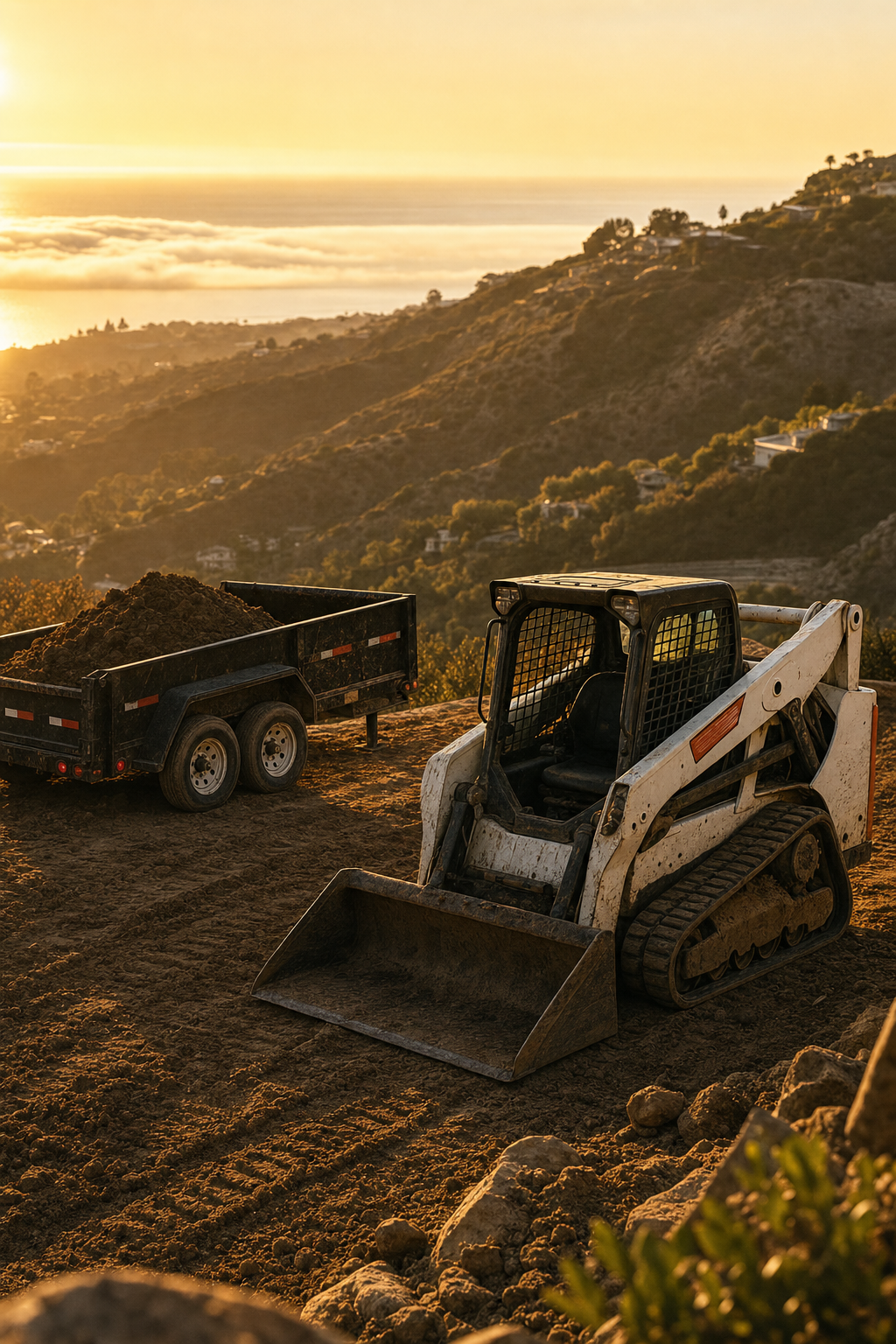
Proper driveway grading orange county involves more than just smoothing out dirt. It is the precise sculpting of the subgrade to ensure structural integrity and effective water runoff. Eyeballing a grade often results in expensive failures, such as deep cracks, birdbaths, or even structural sinking. We utilize professional grade equipment, including Bobcats for precision excavation and dump trailers for hauling debris, to ensure a clean and level site. By hiring an experienced site work contractor, you ensure that the sub-base is engineered to support the specific weight and drainage needs of your property, preventing the costly repairs that follow improper site preparation. This level of precision is especially vital when dealing with the regional soil characteristics found throughout the coast and inland canyons.
Navigating Orange County Clay Soil: Why Local Expertise Matters
In Laguna Beach and the surrounding canyons, the geology presents a unique challenge: expansive clay soil. This type of earth behaves like a sponge. When it absorbs winter rains, it expands with enough force to heave and crack even the thickest concrete slabs. During our hot, dry summers, the clay shrinks, leaving voids beneath the driveway that cause the surface to sink or settle unevenly. This constant cycle of movement is the primary reason why driveways in Southern California fail prematurely.
Generic contractors often miss the critical step of soil mitigation, choosing instead to grade directly onto the native material. Our team understands that successful driveway grading orange county requires a more aggressive approach to stabilize the foundation. We typically recommend over-excavation, a process where we remove the top layer of problematic clay and replace it with stable, engineered fill or a high-quality road base. By substituting reactive soil with non-expansive aggregate, we create a buffer that remains stable regardless of the moisture content.
Addressing these subterranean issues is a core part of our excavation and trenching services. We focus on identifying the specific soil profile of your property to determine how deep we need to dig to reach a reliable subgrade. Using our specialized Bobcats, we can efficiently swap out expansive clay for 3/4 inch road base, ensuring that the final surface rests on a foundation that will not shift when the seasons change.
The Essential Steps of Driveway Grading and Site Preparation
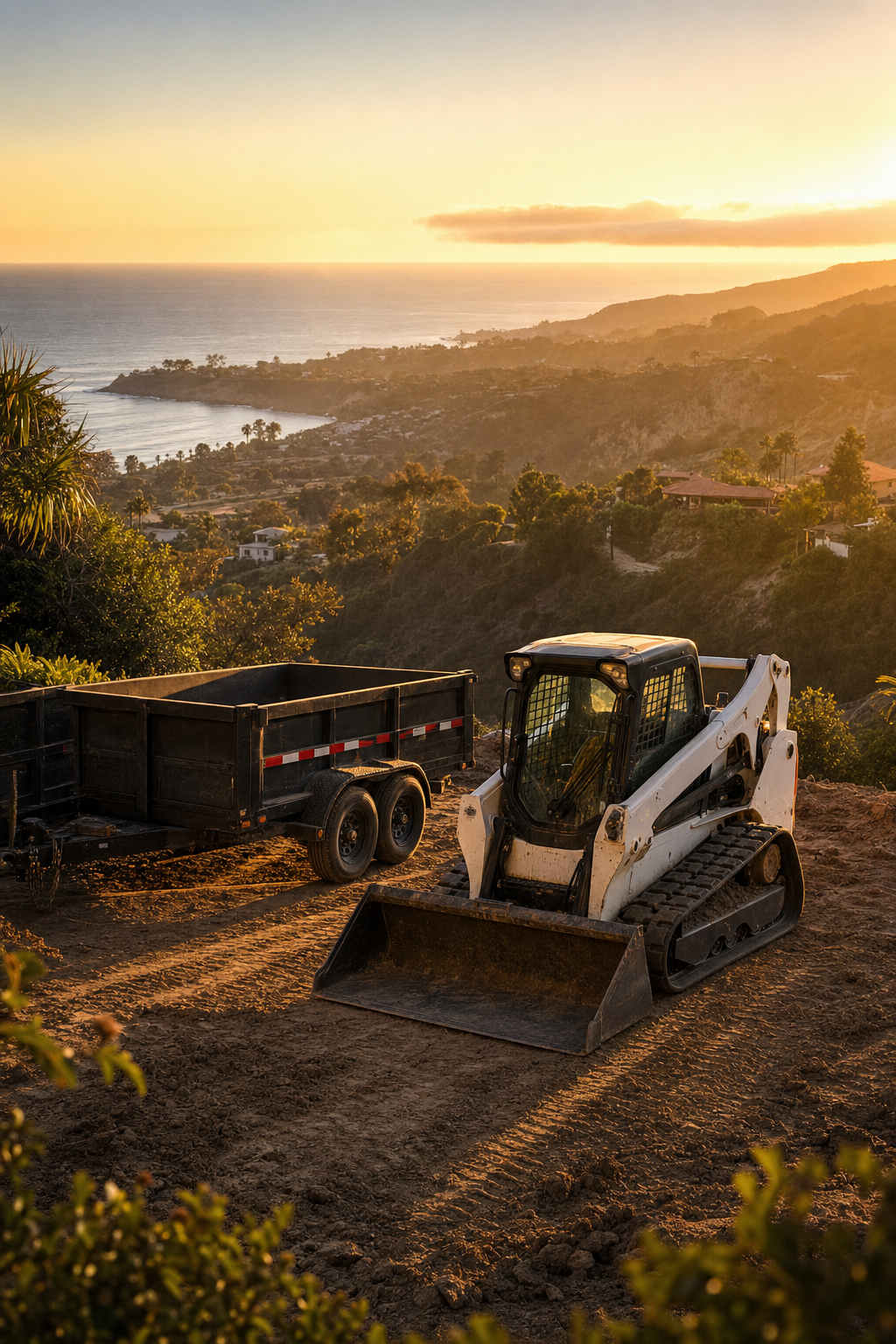
Effective site preparation follows a rigorous sequence that eliminates guesswork. Since establishing Orange County Site Work Services in 2004, we have refined a four-step process to ensure every foundation is structurally sound and compliant with local standards. This systematic approach is what separates a long-lasting driveway from one that requires constant repairs.
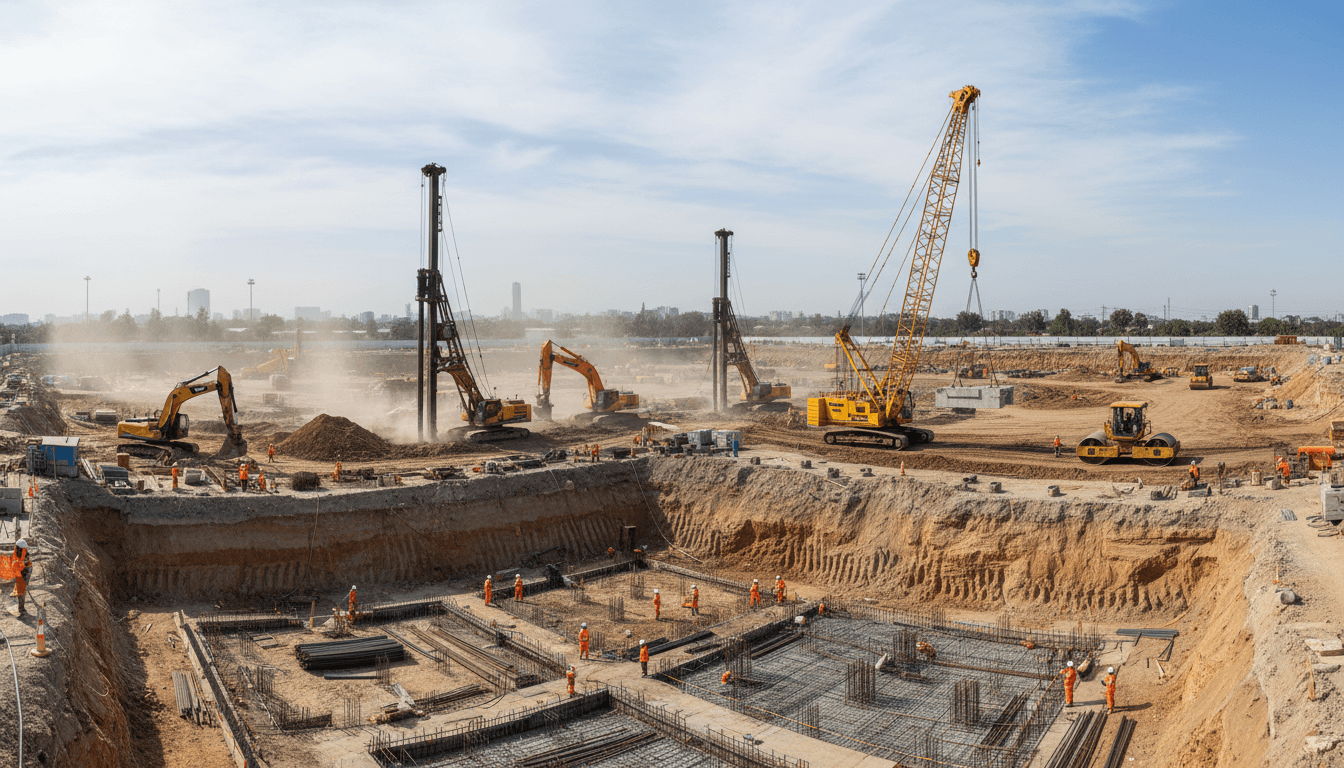
Demolition and Hauling: We begin by removing existing asphalt, concrete, or organic debris. Using Bobcats and high-capacity dump trailers, we clear the site to expose the raw earth, ensuring no old material remains to interfere with the new sub-base. Proper disposal is critical, as leaving behind buried organic matter or loose debris can lead to future sinkholes.
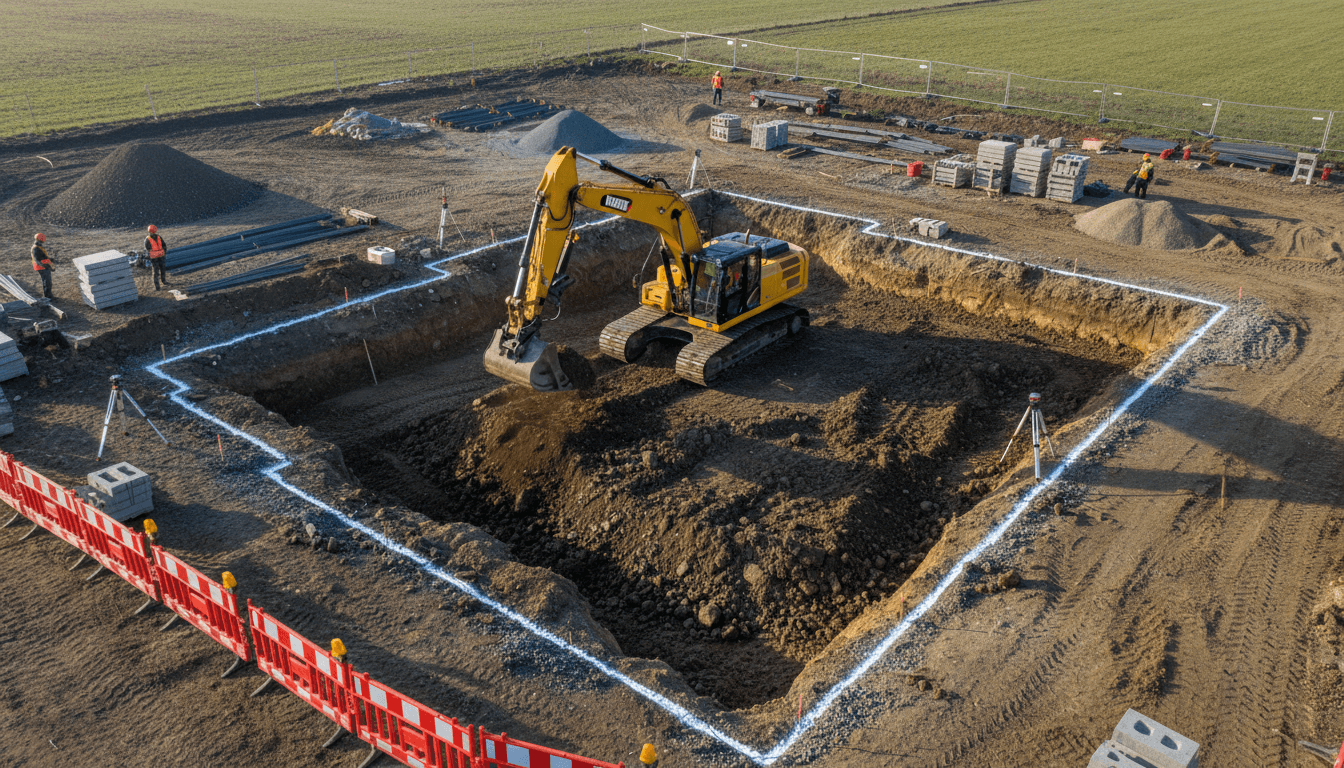
Subgrade Excavation: We excavate to a specific depth based on your chosen surface. A standard concrete driveway typically requires digging down 8 to 12 inches to accommodate both the engineered road base and the finish material. This ensures the finished surface sits flush with existing garage floors and street gutters.
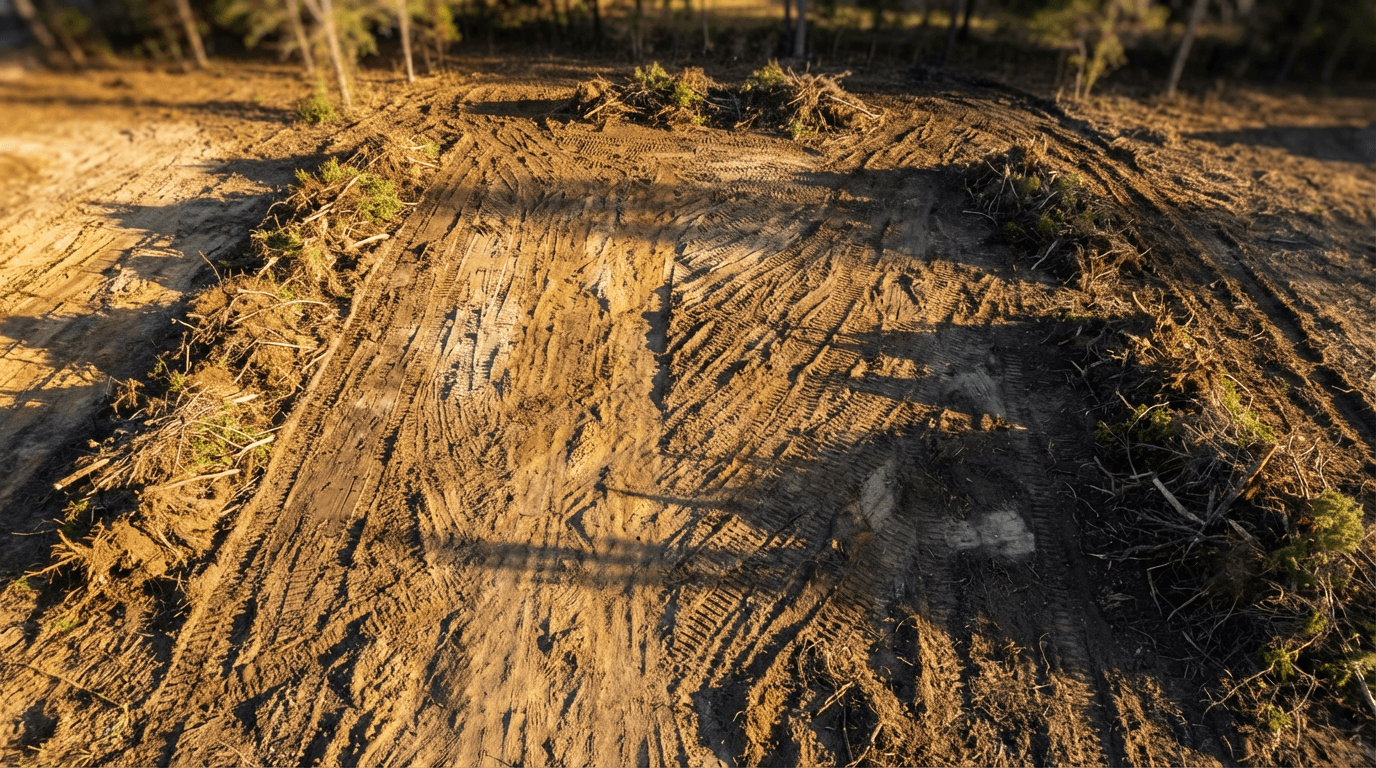
Rough Grading: This stage establishes the primary contours of the project. We shape the soil to create a fundamental slope, ensuring the ground aligns with the overall grading and drainage solutions designed for the property. This is where we account for the natural pitch of the land.
Finish Grading: The final step involves precision leveling. We fine-tune the surface to achieve the minimum 1% slope required by the Orange County Lot Grading Policy. This precision prevents "birdbaths" or pooling and directs water safely away from your home's foundation.
By following these technical steps, a professional site work contractor prevents the common structural failures seen in DIY or rushed projects. Proper driveway grading orange county requires this level of detail to protect your investment against the region's unique geographical challenges.
Subgrade Compaction Requirements: Ensuring a Stable Foundation
Compaction is the physical process of removing air pockets from the soil to create a dense, immovable foundation. This process begins with the subgrade, which is the native soil at the bottom of the excavation, and continues through the aggregate base, the imported stone layers placed above it. To achieve maximum density, a site work contractor must compact material in "lifts," which are shallow layers usually three to four inches thick. Attempting to compact eight inches of material at once leaves the middle section loose and unstable, which inevitably leads to settling. This technical approach to driveway grading orange county ensures the entire foundation carries the load evenly.
Property owners often ask if they can grade a driveway by hand. While hand tools work for minor aesthetic smoothing, they cannot provide the thousands of pounds of force required for structural durability. Mechanical compaction using a Bobcat or a heavy vibratory roller is mandatory to reach the required density for residential vehicles. Improper compaction is the number one cause of driveway failure in California, leading to the jagged cracks and sunken sections that plague poorly prepared sites. By utilizing professional excavation and trenching services, you ensure that the sub-base is mechanically stabilized, protecting your concrete from the underground shifts that a hand-tamped base simply cannot prevent.
Designing for Drainage: Preventing Pooling and Runoff
While compaction provides the strength, precise elevation control prevents the water damage that ruins high-end hardscaping. The Orange County Lot Grading Policy mandates a minimum 1% slope for all new flatwork, ensuring that water moves away from structures and toward the street or a designated discharge point. In practical terms, this requires a fall of at least one-eighth of an inch per foot. When the natural topography of a lot makes this slope difficult to achieve, we integrate grading and drainage solutions such as catch basins, area drains, or French drains directly into the sub-base preparation.
Property owners can identify potential drainage issues before the project begins by looking for specific warning signs. Standing water that remains 24 hours after a rainstorm, the presence of moss or algae in shaded areas, or white, powdery salt deposits on nearby retaining walls all indicate poor subsurface water management. Addressing these issues during driveway grading orange county is much more cost-effective than attempting to fix them after the concrete has cured. By identifying these collection points during the rough grading phase, we can install the necessary piping and basins to ensure the finished driveway remains dry and structurally sound for decades.
Parking Pad Preparation: Base Material and Depth for Heavy Vehicles
Standard driveways are designed for the dynamic load of a moving vehicle, but parking pads for RVs, boat trailers, or utility trucks require a more robust structural design. The primary challenge for these pads is static weight; heavy vehicles parked for long periods apply constant pressure that can cause localized sinking or "punch-through" in the soil. To prevent this, a professional site work contractor must increase both the depth and the density of the foundation.
Successful parking pad construction involves excavating deeper than a standard driveway to accommodate 6 to 8 inches of crushed stone. We recommend using 3/4 inch road base down to fines. This specific blend of large aggregate and small particles allows for maximum interlocking strength when compacted, creating a near-solid surface that distributes heavy loads across the subgrade. For properties with soft native soil, our excavation and trenching services ensure the pad is integrated into the surrounding driveway grading orange county plan, preventing the pad from becoming a low point where water collects and softens the foundation.
Cost Factors for Driveway Grading and Base Preparation in California
Investing in a new driveway involves more than the price of concrete or asphalt. In Southern California, a full installation typically ranges from $8 to $18 per square foot, with site preparation and grading often accounting for a significant portion of the total budget. The complexity of driveway grading orange county fluctuates based on several physical variables. For instance, excavating expansive clay and replacing it with engineered fill requires more labor and material than working with naturally stable, sandy soil.
Logistics also influence the final quote. Narrow access on hillside lots in Laguna Beach can restrict the size of equipment, potentially increasing the time required for excavation and trenching services. Additionally, the volume of debris plays a role; hauling fees for old concrete and asphalt, along with the cost of importing new 3/4 inch road base, are essential line items to consider.
Professional grading costs more upfront than simply spreading gravel or leveling dirt by hand. However, this investment prevents the premature cracking and subgrade failure that force homeowners to replace their driveways within a few years. By hiring a qualified site work contractor, you ensure that your grading and drainage solutions are built into the foundation correctly, providing a durable surface that saves thousands in long term repair costs.
Orange County Grading Permits and Drainage Regulations
Compliance with local building codes is the final, non-negotiable step in any project. In Orange County, any new driveway or flatwork exceeding 100 square feet requires a formal permit. Because poured concrete creates a permanent change to the land's permeability, the county mandates an engineering review to confirm that your driveway grading orange county plan will not negatively impact neighboring properties or the public right-of-way.
Navigating this bureaucracy requires a realistic timeline. The initial permit review typically takes 15 business days, with an additional 10 business days often needed for corrections. During this phase, officials verify adherence to the Orange County Lot Grading Policy, specifically the 1% minimum slope requirement. Working with an experienced site work contractor who understands these thresholds is essential for maintaining legal compliance and avoiding project delays.
Furthermore, site preparation involves strict environmental protections. We implement sediment traps and runoff management systems to prevent loose soil from entering local storm drains during excavation and trenching services. Integrating these grading and drainage solutions protects you from potential municipal fines while ensuring your project meets all modern environmental standards before the first yard of concrete arrives.