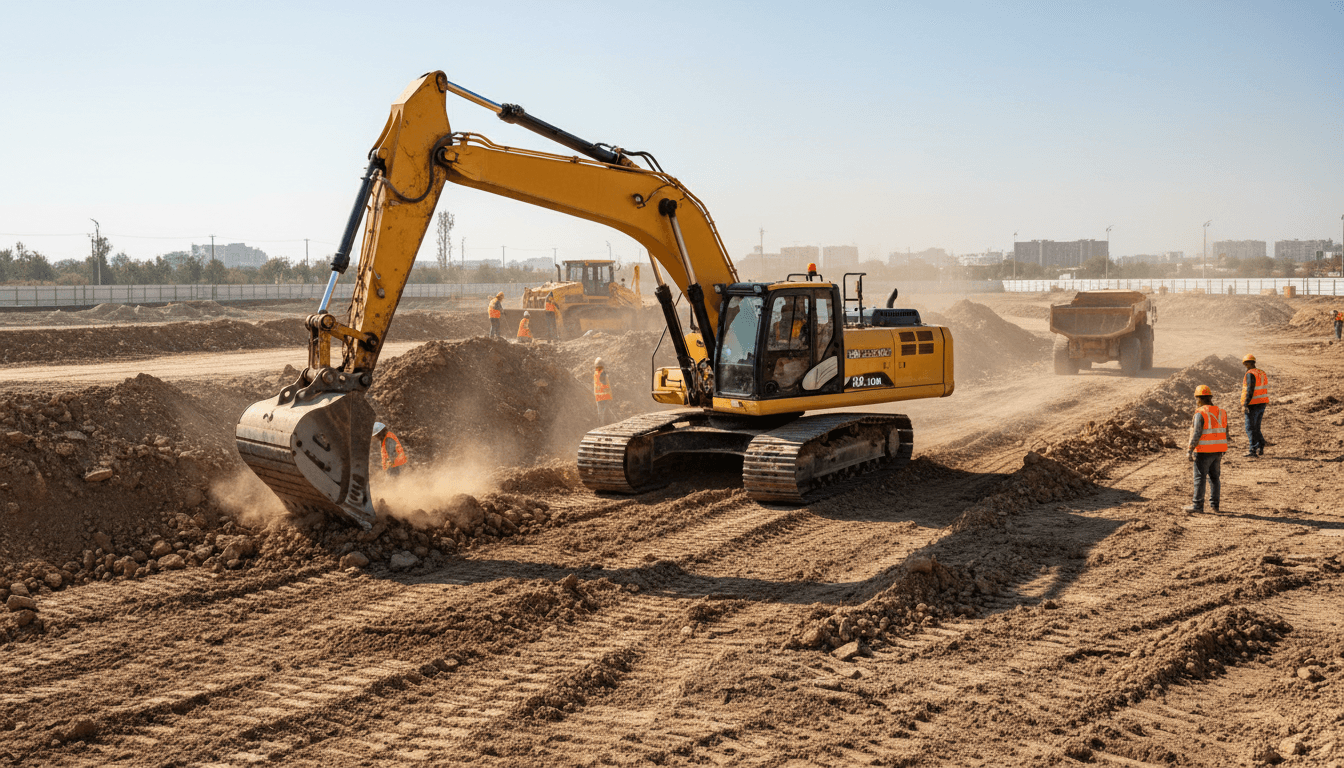
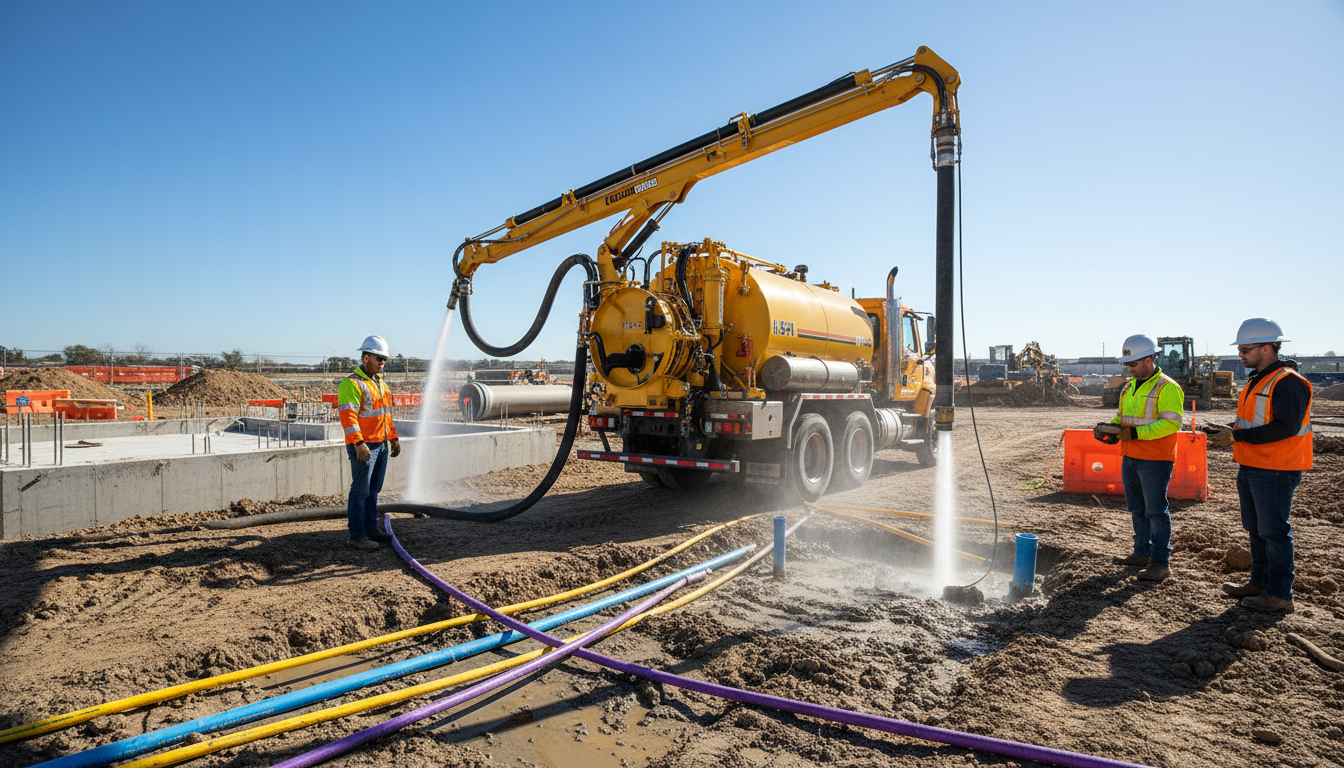
Traditional sewer line excavation Orange County is the preferred method when pipes have suffered severe collapses, significant offsets in shifting clay soil, or structural failures on steep hillsides. This open-cut approach allows technicians to manually correct grading issues and ensure a stable foundation that trenchless methods cannot achieve in complex geological conditions.
Facing a sewer line failure is a significant challenge for any property owner, but in Orange County, the geological stakes are notably higher. Whether you are dealing with the notorious expansive clay of the inland valleys or the complex structural requirements of a coastal hillside, a simple patch rarely suffices. While trenchless methods often dominate the conversation, certain structural compromises and soil shifts necessitate a more traditional, hands-on approach. Understanding when to opt for open-cut excavation is critical for ensuring the long-term stability of your infrastructure and the safety of your landscape. This guide examines the specific scenarios where digging is mandatory, the technical challenges of California depth regulations, and the essential role of shoring in hillside projects. By the end, you will have the expert insight needed to manage your site work with confidence and precision.
The Reality of Sewer Line Excavation in Orange County
Sewer line excavation in Orange County is rarely a straightforward task due to the region's diverse topography. From the sandy reaches of Newport Beach to the steep, rocky canyons of Laguna Beach, the ground beneath a home dictates the health of its sewer lateral, which is the critical pipe connecting a residence to the municipal main. Many modern plumbing contractors prioritize trenchless technology as a universal fix. However, in Southern California, open-cut excavation remains a structural necessity for many failing systems.
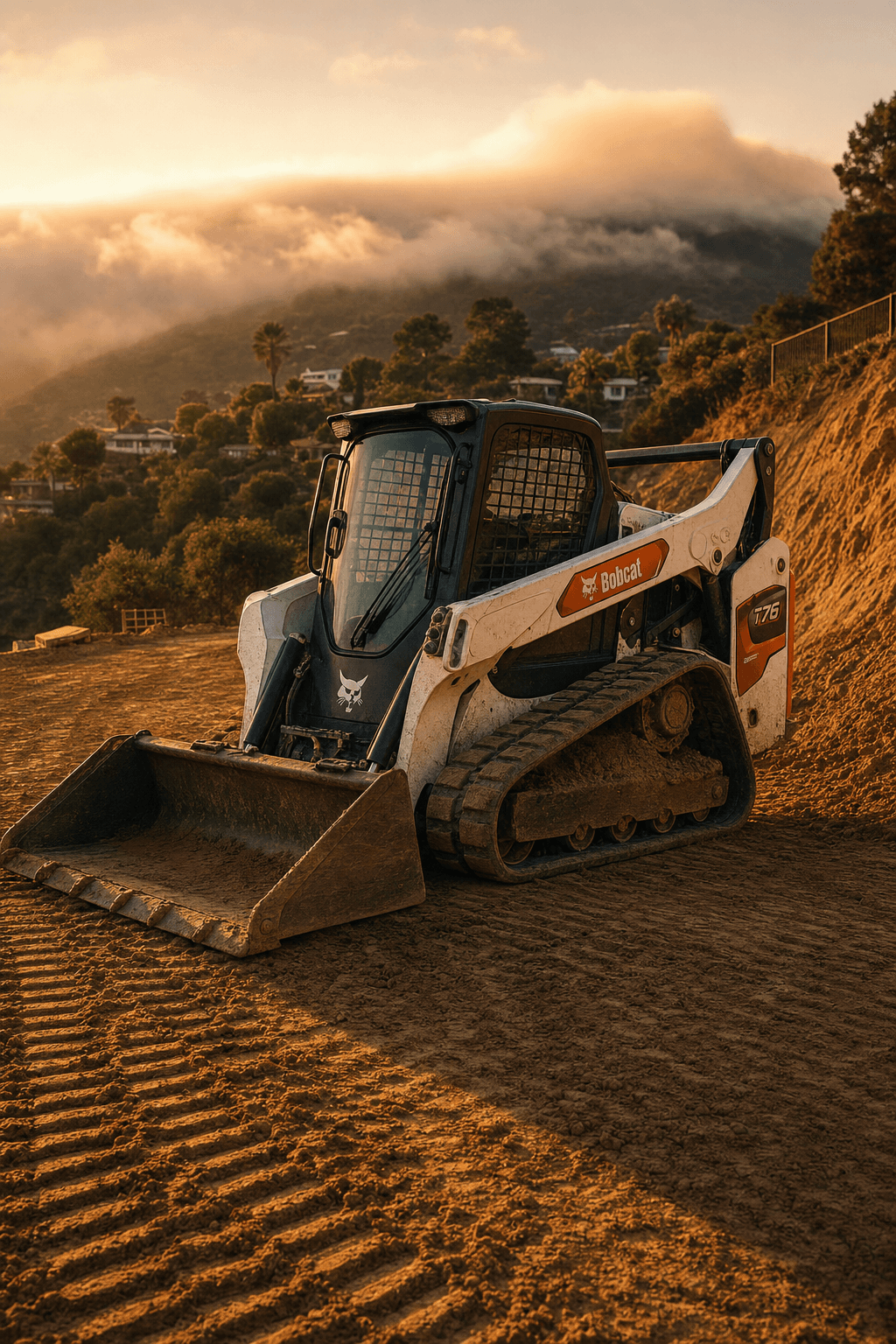
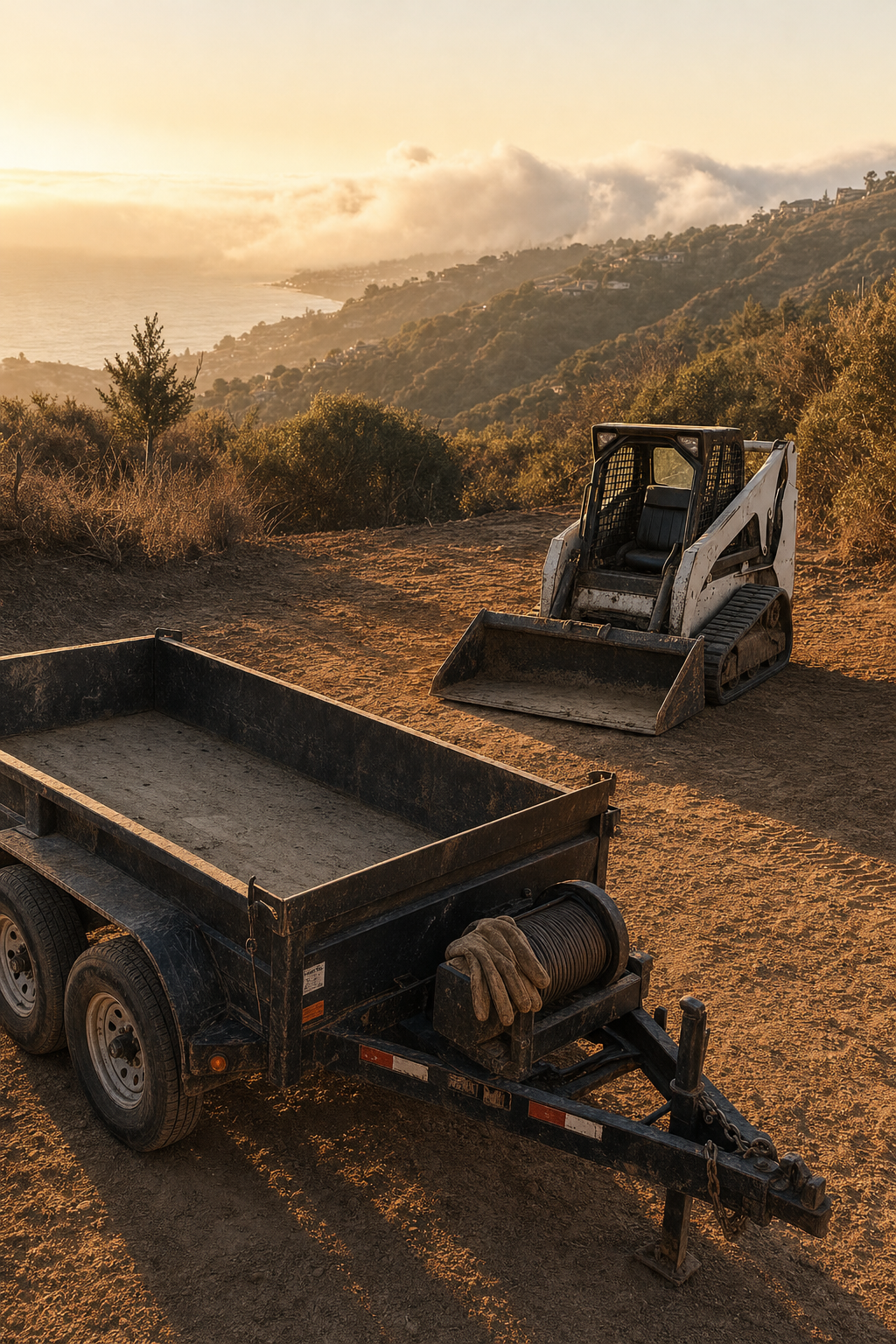
The local landscape consists of expansive clay and active hillsides that frequently cause pipes to shift, sag, or lose their required downward slope. In these instances, simply lining an old pipe does nothing to fix a fundamental drainage failure. Since 2004, Orange County Site Work Services has specialized in utility trenching in Orange County specifically for these challenging environments. With over 20 years of experience navigating the tight access and unstable soils found in Laguna Beach, we understand that site-specific geography often makes traditional digging the only permanent solution. Reliable excavation and trenching Orange County requires more than just a plumber with a shovel; it demands professional Orange County grading services and dedicated equipment like Bobcats and dump trailers to handle the earthwork properly.
Trenchless vs. Open-Cut: Why Orange County Terrain Matters
Trenchless methods like pipe bursting or CIPP (Cured-In-Place Pipe) lining are frequently marketed as the modern standard for sewer repair. These techniques are efficient for preserving expensive landscaping or driveways, but they are entirely dependent on the structural integrity of the existing pipe's path. In a pipe bursting scenario, a new HDPE pipe follows the exact route of the old clay or cast iron line. If that original line has been compromised by the heavy, shifting soils common in Southern California, the new pipe will simply inherit those same structural flaws.
Gravity-fed sewer systems require a precise slope, typically a quarter-inch of fall for every linear foot, to move waste effectively. Orange County's expansive clay soil, often called "adobe," puts constant pressure on these buried lines. As the clay absorbs winter moisture and expands, then dries and shrinks during the summer, it causes pipes to "belly" or sag. Once a pipe loses its grade, waste water pools in the low spot, leading to recurring clogs and sediment buildup. Trenchless liners simply coat the inside of a sagged pipe; they do not lift it back into place. Correcting a bellied line requires professional Orange County grading services to re-establish the correct pitch through physical intervention.
Feature | Trenchless (CIPP/Bursting) | Open-Cut Excavation |
|---|---|---|
Slope Correction | Impossible; follows old pipe path | Full control over grade and pitch |
Soil Stability | Does not address underlying soil | Replaces expansive clay with stable fill |
Joint Integrity | Seals joints internally | Allows for physical alignment of joints |
Best Use Case | Structurally sound pipes with minor leaks | Collapsed, bellied, or shifted lines |
Open-cut excavation is the only way to physically reach the pipe, remove the unstable clay, and install proper bedding materials like sand or crushed rock. This is particularly vital in hillside communities like Laguna Beach or San Clemente, where land movement can disconnect joints entirely. While a plumber might see a pipe that needs a patch, a site work specialist sees a ground stability issue that requires professional excavation and trenching Orange County to ensure the new lateral remains functional for decades. Only by digging can we address the root cause of the failure: the ground itself.
How Deep Are Sewer Lines Buried in California?
Homeowners often ask exactly how deep a line is buried, but in Southern California, there is no single answer. A residential sewer lateral typically exits the house foundation at a relatively shallow depth of 18 inches to 3 feet. Because these systems rely entirely on gravity, the pipe must slope downward at a minimum of one quarter inch per foot of run. By the time that line reaches the municipal main at the street, it may be 6 to 12 feet deep, or even deeper depending on the specific municipal infrastructure layout.
This gradient dictates the complexity of the sewer line excavation Orange County projects require. As a pipe descends, the volume of earth that must be moved and hauled away increases exponentially. We also have to account for the 135 rule, which relates to the maximum change in direction allowed using specific fittings to maintain flow without creating blockages. Navigating these angles while maintaining the correct burial depth requires precise Orange County grading services to ensure the trench bottom is stable and correctly pitched for long term performance.
In hillside communities like Laguna Beach or San Clemente, these variables become even more extreme. A sewer line might need to bypass a structural retaining wall or navigate a significant lot elevation change, resulting in depths that far exceed standard residential expectations. Deep trenches in these areas often require specialized utility trenching in Orange County techniques, including shoring and tiered excavation to protect the property and the crew. When a repair involves these depths, professional excavation and trenching Orange County is essential to manage the immense soil pressure and ensure the safety of the site.
Four Scenarios Where Traditional Excavation Is Mandatory
Given the extreme depths and technical gradients required for proper drainage, there are specific structural thresholds where trenchless lining is no longer a viable option. In these instances, a plumber will typically recommend a specialist for sewer line excavation Orange County residents can rely on to handle the heavy earthwork and soil stabilization. Understanding these four scenarios helps homeowners recognize when a project has moved beyond a simple plumbing fix and into the realm of professional site work.
Collapsed or Crushed Pipes: If a section of clay or cast iron pipe has physically buckled under the weight of shifting soil, there is no longer a hollow channel to host a liner. Trenchless methods require a clear path to pull a bursting head or inflate a resin sleeve. A total collapse requires physical removal of the debris and the surrounding compromised earth to clear the way for a new lateral.
Severe Root Intrusion: While minor roots can be cleared with hydro-jetting, mature trees in older neighborhoods can shatter pipe walls entirely. When the host pipe is missing large structural segments, a liner lacks the necessary support to cure correctly. This leads to a high risk of the new liner collapsing or shifting immediately after installation.
Bellied Lines: This is perhaps the most common reason we are called for excavation and trenching Orange County. When expansive clay causes a pipe to sag, it creates a pool of standing water that catches debris and causes recurring backups. Only Orange County grading services can physically re-level the trench bed and secure it with stable aggregate to ensure the new line maintains its required pitch.
New Installations and ADUs: The surge in Accessory Dwelling Units across Southern California requires entirely new lateral connections. Because there is no existing pipe to serve as a guide for trenchless tools, traditional utility trenching in Orange County is the only way to establish a fresh, code-compliant pathway from the new structure to the municipal main.
In these situations, the project is less about the pipe itself and more about the environment surrounding it. Plumbers often refer clients to us because we have the Bobcats and dump trailers necessary to manage large volumes of spoils and perform the precision digging that a standard plumbing crew isn't equipped to handle.
Managing Expansive Clay and Hillside Shoring
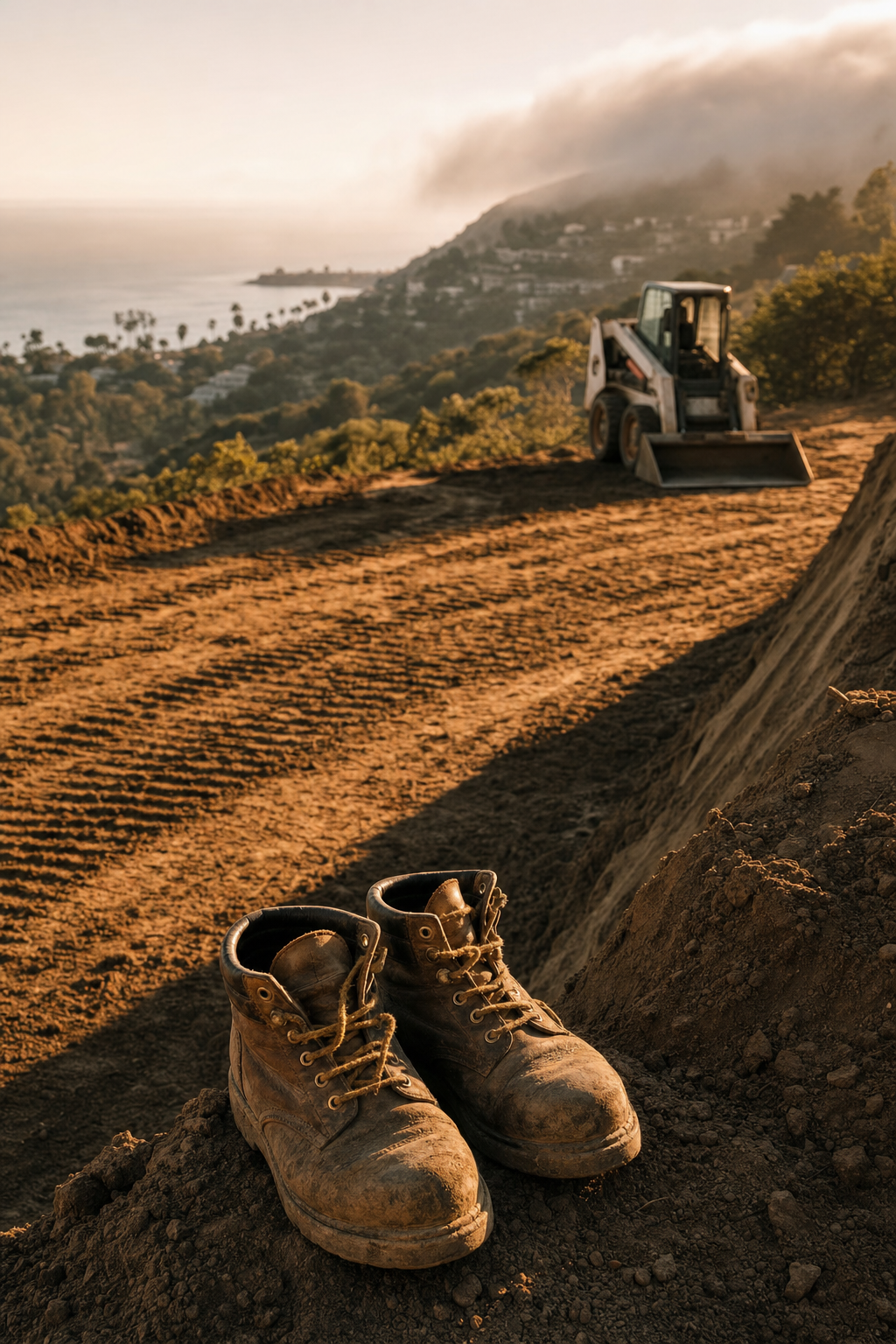
Successful sewer line excavation Orange County depends on understanding the volatile nature of local "adobe" clay. When this soil is saturated, it expands with immense lateral pressure; when it dries, it contracts and cracks. Replacing a pipe without addressing this soil behavior leads to eventual structural failure. We mitigate this by removing the expansive native spoils and replacing them with engineered bedding materials, typically washed sand or 3/4-inch crushed rock. This creates a stable "cradle" that protects the pipe from seasonal soil movement and ensures the carefully established grade remains intact over the long term.
On hillside properties, technical safety becomes the primary site work concern. Per OSHA standards, any trench deeper than five feet requires professional shoring to protect the crew and the property. In the tight canyons of Laguna Beach, shoring is not just a regulatory hurdle; it is a structural necessity to prevent catastrophic slope failure. Because hillside lots often feature narrow access, we utilize compact Bobcats and specialized hydraulic shoring jacks that stabilize the trench walls without compromising the integrity of nearby foundations or retaining walls. This level of utility trenching in Orange County requires a team focused on soil mechanics and Orange County grading services, ensuring the project is completed safely and the ground remains stable for decades.
Cost Considerations for Sewer Line Excavation in Orange County
Understanding the financial commitment of sewer line excavation Orange County involves more than just a per-foot pipe price. While trenchless methods often carry a higher material cost for specialized resins or HDPE pipe, traditional excavation expenses are driven by labor, equipment time, and surface restoration. When we open the ground, the cost includes shoring for safety, the removal of expansive clay, and the import of stable bedding materials.
Choosing the least expensive option can be a costly mistake if the ground's structural integrity is ignored. For example, simply backfilling with native clay without proper compaction leads to soil settlement. This results in sunken driveways or cracked patios six months later. Professional excavation and trenching Orange County ensures that the trench is backfilled in specific lifts and mechanically compacted to match the surrounding soil density, protecting your concrete and landscaping investments.
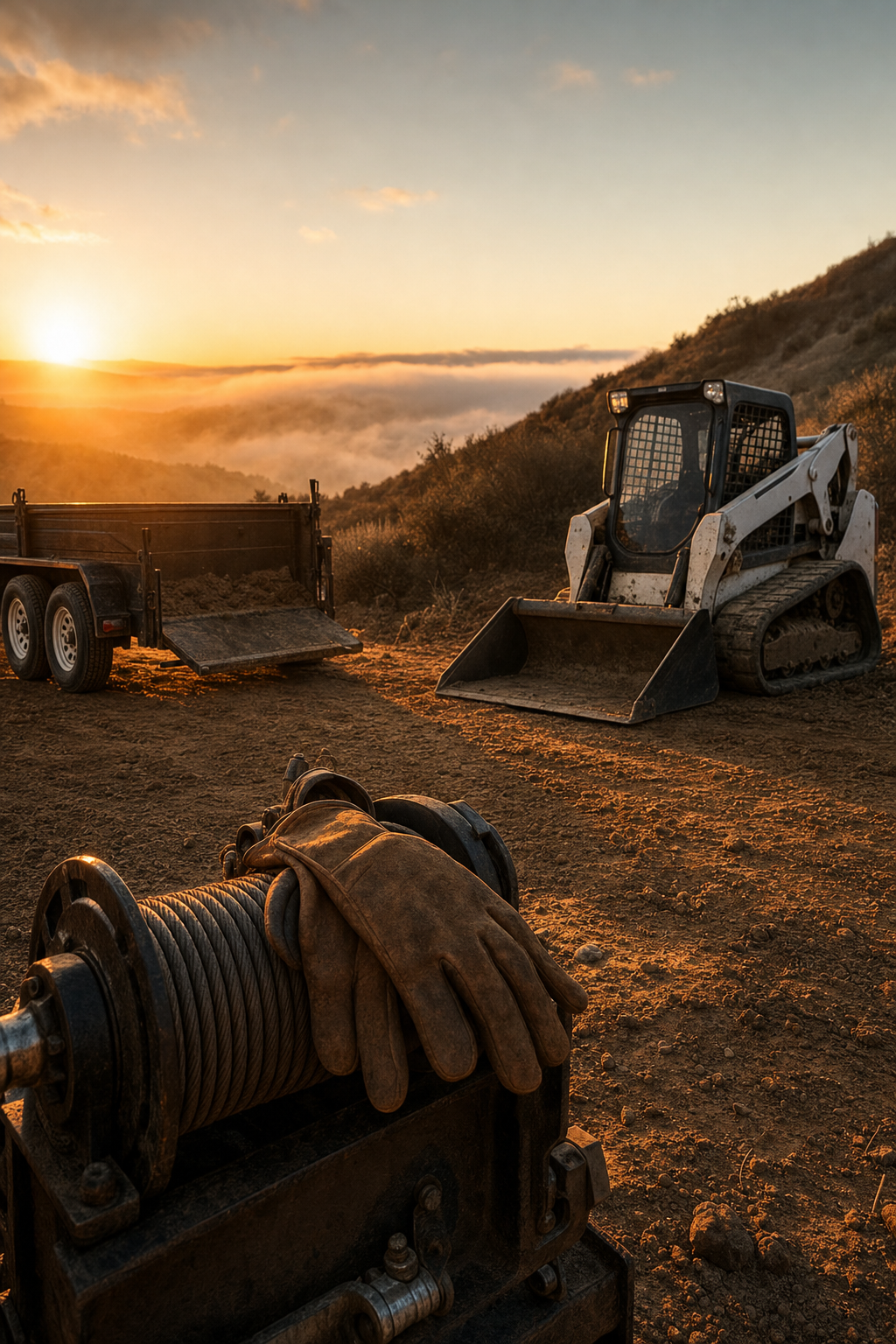
Logistics and disposal also play a significant role in the project budget. Southern California is seeing a shift in waste management, with projected landfill fee spikes in 2026 that will increase the cost of hauling excavated spoils. A specialized site work team manages these costs by utilizing dedicated dump trailers and efficient hauling routes. Furthermore, the necessity of importing crushed rock or sand to replace volatile clay adds to the material budget but remains essential for a 50 year solution. While a liner might seem cheaper upfront, Orange County grading services and professional utility trenching in Orange County provide the structural foundation that protects the property from future settlement and drainage failure.
Choosing a Site Work Specialist for Sewer Projects
Standard plumbing crews often approach deep digs with hand tools or small, rented machinery that lacks the power to manage Orange County's dense clay efficiently. Hiring a dedicated earthwork team brings specialized equipment like Bobcats and dump trailers to the job, which streamlines the removal of heavy spoils and the delivery of clean bedding materials. This efficiency is critical for complex sewer line excavation Orange County projects where deep trenches must be dug, shored, and backfilled within a tight schedule to minimize property disruption.
A site work specialist focuses on the structural environment of the pipe rather than just the plumbing connection. We prioritize the technical aspects of excavation and trenching Orange County such as creating a stable trench floor and utilizing mechanical compaction during backfill. Since 2004, our team-oriented approach has centered on ensuring that once the new lateral is laid, the surrounding earth is stabilized to prevent future shifting. By getting the Orange County grading services and utility trenching in Orange County right the first time, we provide a foundation that allows your sewer system to function reliably for another 50 years.
Navigating the complexities of clay soil and hillside stability requires a precise approach to sewer line repair. While trenchless options are popular, traditional open-cut excavation remains the most reliable method for ensuring long-term structural integrity in challenging Orange County landscapes. If you want expert help managing your next excavation project, it is important to work with a team that understands local ground conditions. You can learn more about our specialized experience and commitment to quality site work in the region.