Orange County demolition hauling costs 2026 are set to increase substantially following a 53 percent spike in landfill disposal fees, which will rise from $43.89 to $67 per ton starting July 1. This rate hike directly impacts project budgets for construction debris removal, with further increases projected to reach $81 per ton by 2029.
Managing a demolition project in Southern California has always required precision, but the projected 2026 landfill fee spike is introducing a new level of financial volatility for developers and homeowners alike. If you are planning a renovation or site clearing, the rising cost of hauling debris can quickly erode your margins or inflate your project budget beyond initial estimates. Understanding these shifting overheads is essential for maintaining a profitable timeline. In this guide, we examine why Orange County rates are surging and how strict C&D recycling mandates impact your bottom line. You will learn how to identify high cost materials, calculate the real world impact on your site work budget, and utilize professional hauling strategies to mitigate these increasing expenses before your next ground breaking.
The 2026 Fee Hike: Why Orange County Landfill Rates are Surging
Property owners and developers planning upcoming projects need to account for a significant shift in the local construction landscape. Starting July 1, 2026, OC Waste and Recycling disposal rates will undergo a massive adjustment; the gate fee is set to jump from the current $43.89 per ton to $67 per ton. This 53 percent increase is not a one-time spike. Official projections show these costs continuing to climb, reaching approximately $81 per ton by 2029.
This surge is driven by the strategic consolidation of waste management within the county. The Brea Olinda Landfill is nearing its capacity and is scheduled for closure, which fundamentally alters how debris is handled in the region. Once Brea Olinda closes, the county's entire waste stream will shift to the Frank R. Bowerman facility in Irvine and the Prima Deshecha facility in San Juan Capistrano. This reduction in disposal locations creates a bottleneck of high demand and lower capacity, forcing the rate hikes necessary to manage and maintain the remaining infrastructure.
As a team providing demolition and hauling solutions across the county since 2004, we have seen how municipal policy directly impacts project bottom lines. Understanding these mechanics is essential for accurate budgeting. These fees are tipping fees, the price paid at the landfill gate to offload materials. Because Frank R. Bowerman is a commercial only facility, professional site work services are often the only viable way to manage large scale debris removal legally and efficiently. Navigating these surging Orange County demolition hauling costs 2026 requires a partner who tracks these local government shifts to ensure your project remains viable. If you are planning a build or teardown for the coming years, now is the time to request an efficient hauling quote to lock in logistics before the gate fees escalate.
Calculating the Impact on Your Demolition and Site Work Budget

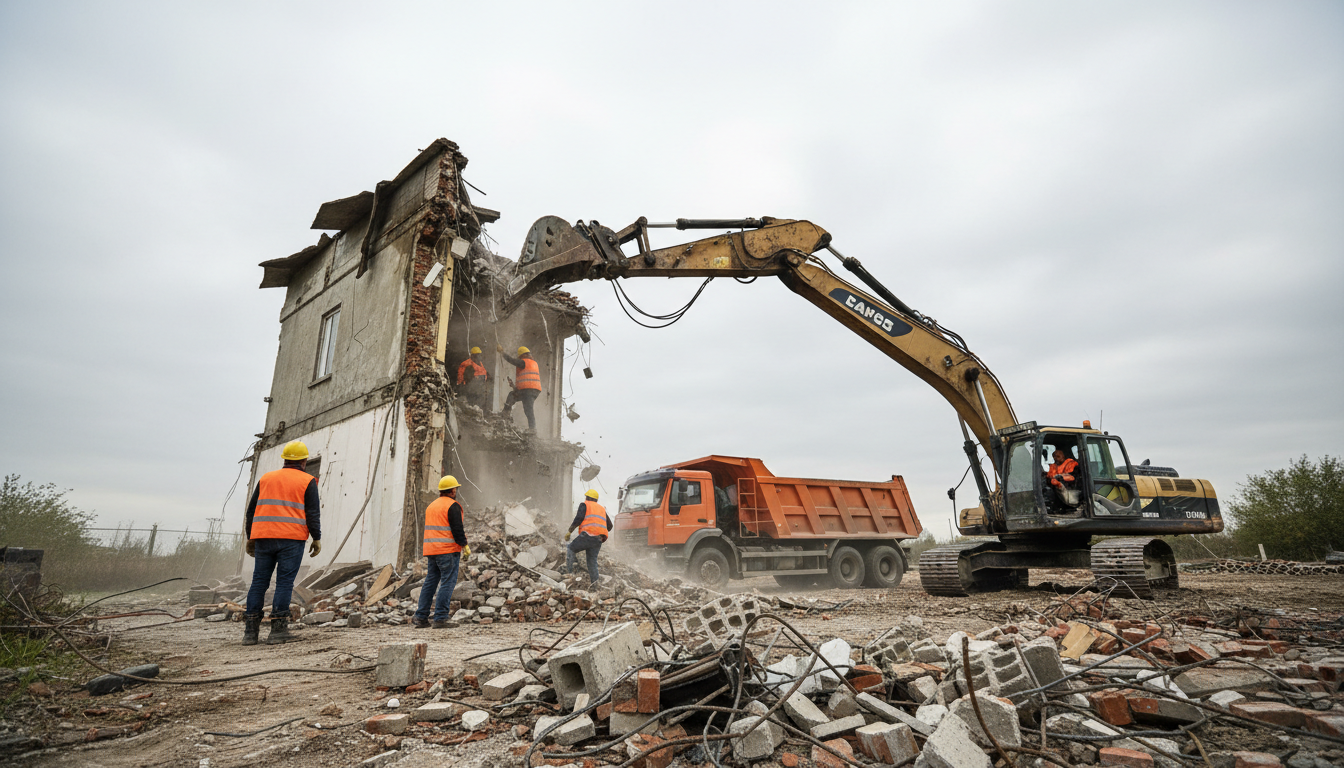
The math of demolition changes significantly when gate fees rise by 53 percent. To understand the real world impact, consider a standard 3,000 square foot residential demolition. Between the heavy roofing materials, drywall, and structural framing, a house of this size can generate roughly 75 to 90 tons of debris. At current rates, the landfill gate fees for that tonnage sit around $3,300 to $4,000. Once the 2026 rates take effect, those same loads will cost between $5,000 and $6,000 just to drop off at the facility. This adds thousands of dollars to the bottom line before a single machine is even mobilized.
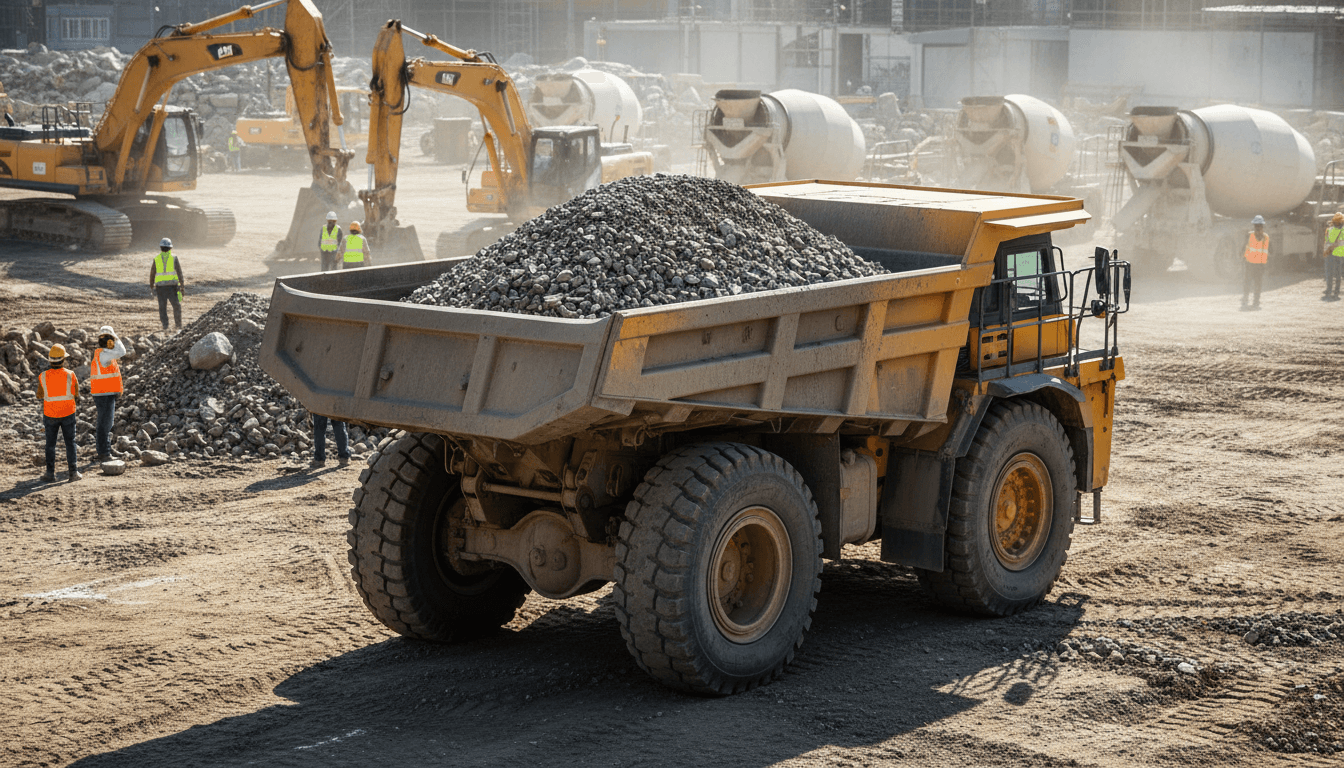
Strategic sorting is the primary way to mitigate these rising Orange County demolition hauling costs 2026. There is a massive pricing gap between clean materials and mixed construction and demolition (C&D) debris. If a load contains only clean concrete, it can often be diverted to recycling facilities at a much lower cost than the standard landfill rate. However, if that concrete is mixed with wood, insulation, or trash, the entire load is classified as mixed C&D and billed at the highest possible gate fee.
Property owners should expect hauling contracts to see a 20 to 30 percent overall increase across the industry as professionals adjust their pricing to cover these overhead spikes. When you request an efficient hauling quote, look for transparency in how these fees are calculated. A team with 20 years of experience in demolition and hauling solutions will prioritize source separation, using Bobcats and dump trailers to keep materials categorized. By separating heavy concrete from lighter, mixed debris during the initial site work, we can significantly reduce the total tonnage hitting the most expensive landfill scales.
Orange County C&D Recycling Requirements: A Strategy for Cost Control
Local mandates now require construction and demolition projects to divert between 50 and 65 percent of their waste away from landfills. Managed by OC Public Works and local planning departments, these Construction and Demolition (C&D) programs are enforced through strict Waste Management Plans. For a project to pass final inspection, contractors must provide weight tickets proving that the required percentage of debris was recycled rather than dumped. While these rules were originally designed for environmental sustainability, the upcoming price hike makes them a critical financial strategy.
Sorting at the source is the most effective way to control your budget. When debris is thrown into a single bin, it is classified as a mixed C&D load. Landfills like Frank R. Bowerman charge the highest possible premium for these loads because they require additional processing. By utilizing professional site work services to separate materials like clean concrete, scrap metal, and untreated wood on-site, you can divert those items to specialized recycling facilities that often charge significantly less than the standard landfill gate fee.
Material Category | Typical Handling Strategy | Cost Impact |
|---|---|---|
Mixed C&D Debris | Direct to Landfill | Highest Fee ($67+ per ton) |
Clean Concrete | Recycling Facility | Lower Tipping Fee |
Scrap Metal | Salvage Yard | Potential Rebate/Zero Cost |
Green Waste | Mulching Center | Moderate Savings |
Effective management of Orange County demolition hauling costs 2026 depends on this logistical precision. Using Bobcats and dedicated dump trailers allows a team to categorize debris as it is generated, preventing the commingling that leads to "surprise" surcharges at the scale. As landfill rates climb toward $81 per ton, the difference between a mixed load and a sorted load could represent thousands of dollars in savings for a single property. Engaging in demolition and hauling solutions that prioritize source separation is no longer optional; it is a necessity for project solvency.
The Commercial Advantage: Why Professional Hauling Beats DIY in 2026
Homeowners often ask if they can save money by hauling their own debris to the landfill. While this was once a common weekend project, the 2026 fee structure makes it a financial liability. For individual vehicles carrying more than 880 pounds, the per ton fee is projected to reach $107.70. This rate is significantly higher than the $67 per ton commercial gate fee. When you factor in the cost of fuel, trailer rentals, and the value of your time, the DIY approach quickly becomes more expensive than hiring professional site work services.
Logistical barriers also complicate self hauling in the region. The Frank R. Bowerman Landfill, a primary hub for central Orange County, is a commercial only facility. It does not accept waste from the general public. Individuals must instead travel to the Prima Deshecha facility in San Juan Capistrano, which can add hours of transit time to a single load depending on your location. This travel time, combined with the higher individual weight fees, makes professional hauling the only logical choice for large scale projects.
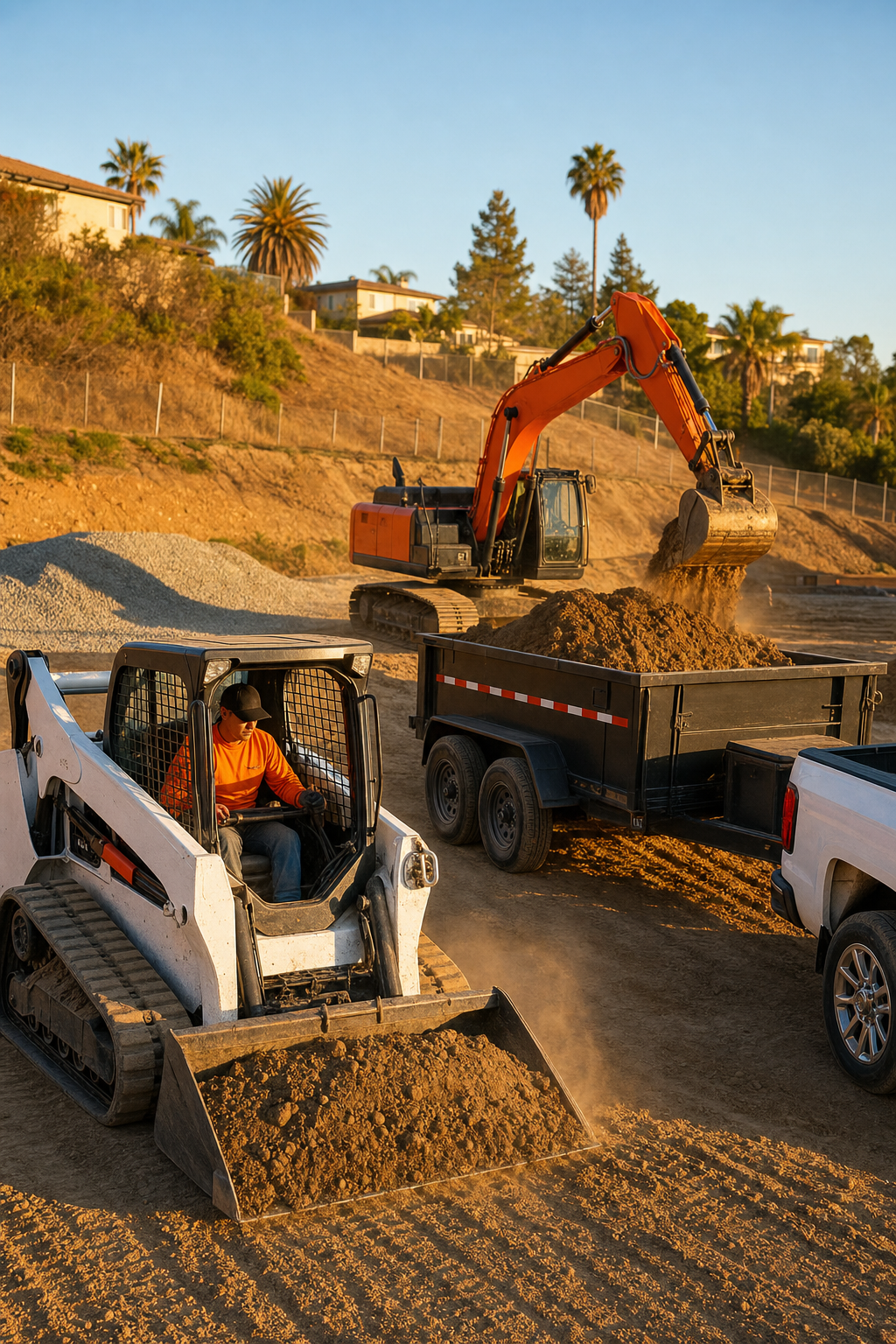
Our team utilizes specialized equipment, including Bobcat loaders and high capacity dump trailers, to maximize the volume and weight of every trip. We focus on load density and material separation to ensure every load is billed at the lowest possible rate. By consolidating debris and utilizing commercial access, we help homeowners navigate the rising Orange County demolition hauling costs 2026. This professional efficiency often offsets the increased tipping fees, providing a more reliable and cost effective alternative to multiple, inefficient DIY trips. To see how we can streamline your upcoming project, you can request an efficient hauling quote for your specific site. This approach ensures your project benefits from expert demolition and hauling solutions that prioritize both compliance and budget control.
Specific Materials That Will Drive Up Your 2026 Hauling Quote
Navigating the shift in Orange County demolition hauling costs 2026 requires looking beyond simple tonnage. Not all debris is priced equally at the gate. Certain materials are flagged for higher fees because of their weight or the specialized handling they require at the Frank R. Bowerman or Prima Deshecha facilities. For example, tile floors backed by thick mortar or thinset add significant weight and are difficult to separate, often resulting in higher mixed waste rates.
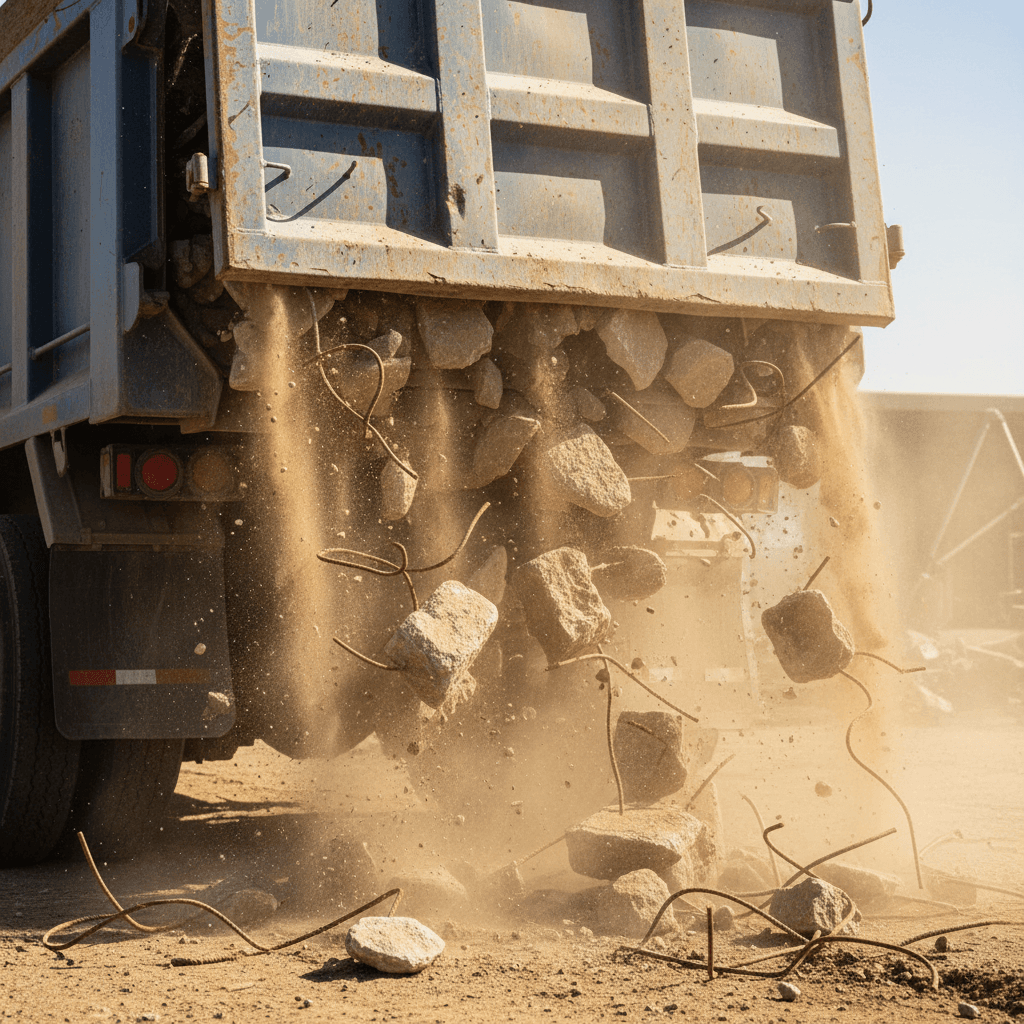
Treated wood is another major cost driver. Due to chemical preservatives, this material is subject to special disposal rules and cannot be processed as standard lumber, making its removal significantly more expensive. Similarly, concrete containing rebar requires extra processing compared to clean loads, which often leads to surcharges at recycling centers.
Material | Impact on Quote | Why It Costs More |
|---|---|---|
Tile with Mortar | High Weight | Massive tonnage increase from heavy backing. |
Concrete with Rebar | Processing Fee | Requires metal extraction before recycling. |
Treated Wood | Special Disposal | Regulated handling due to chemical preservatives. |
Large Soil Loads | Testing Costs | Requires lab reports for volume approvals. |
Soil and dirt removal also carry hidden complexities. Large volumes of soil now frequently require prior approval and lab testing to ensure the material is free of contaminants. By providing demolition and hauling solutions that account for these variables early, we help you avoid the surprise fees that often derail budgets at the landfill scale. Our professional site work services involve assessing your material mix upfront, so you can request an efficient hauling quote that reflects the true cost of disposal before the machines even arrive.
How to Prepare Your Property for 2026 Site Work Projects
Proactive planning is the only reliable way to insulate your project from the 53 percent rate hike. If your project timeline allows, prioritize heavy demolition and major grading work to be completed before the July 1, 2026, deadline. Clearing a lot or tearing down an existing structure even a few months early can result in thousands of dollars in direct savings by avoiding the jump to $67 per ton.
Precision during the initial phases of site prep is now a financial requirement. Inaccurate grading often leads to unnecessary excavation, which generates surplus soil that requires hauling and testing. By utilizing professional site work services that focus on tight tolerances, you minimize the total tonnage of debris leaving your site. This level of accuracy is essential for controlling Orange County demolition hauling costs 2026; every cubic yard of dirt or concrete saved is money kept in your budget.
When you request an efficient hauling quote, review the language regarding disposal fees. Ensure your contract explicitly states how fluctuations in landfill gate fees are managed. A reputable provider of demolition and hauling solutions should offer a transparent breakdown of expected tonnage. Securing a clear agreement now prevents mid-project budget inflation as the county shifts waste consolidation to the Frank R. Bowerman and Prima Deshecha facilities.