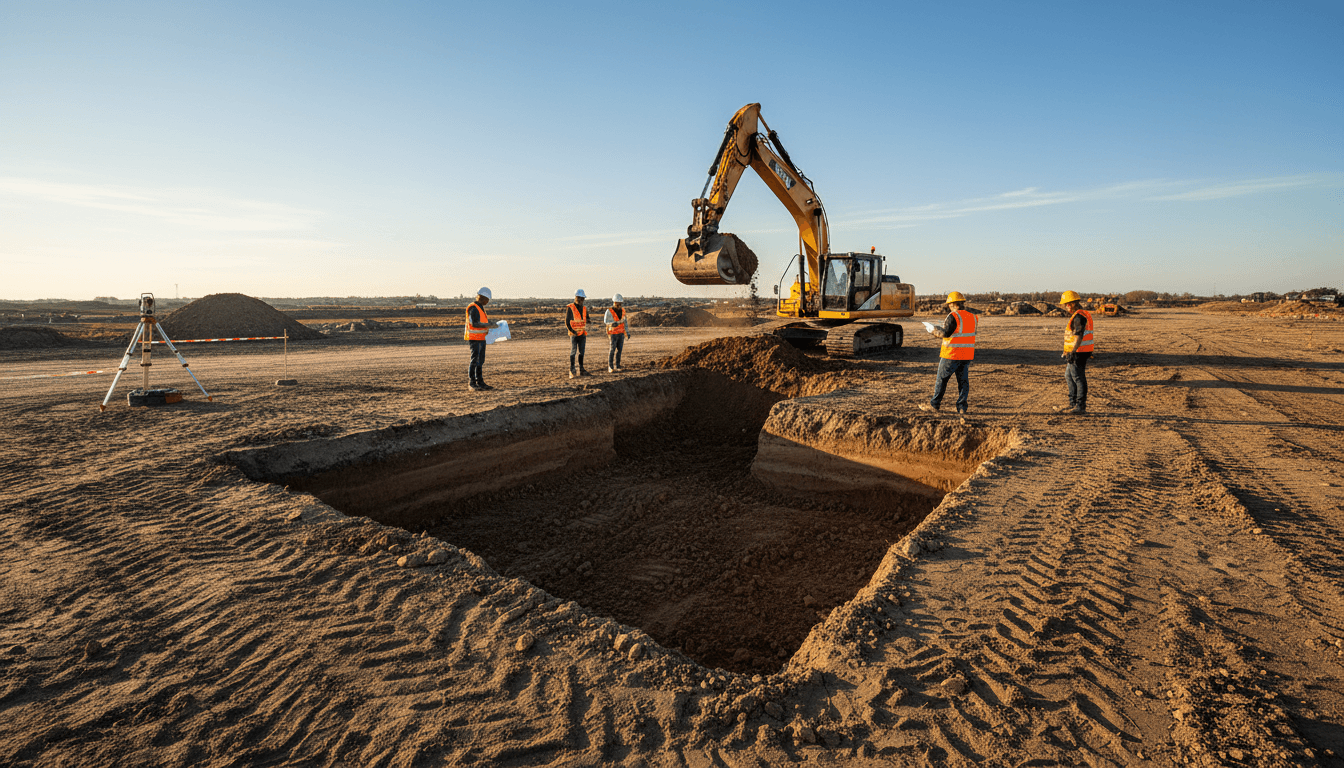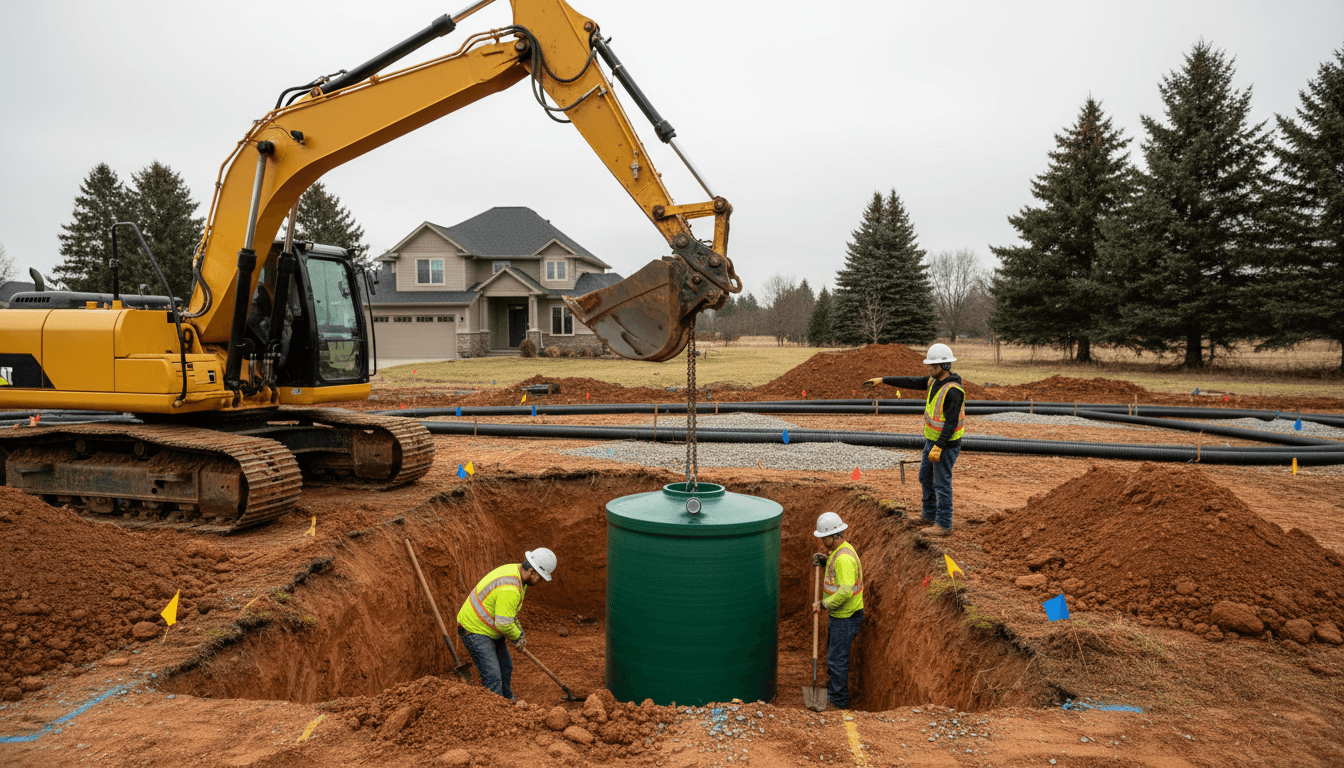
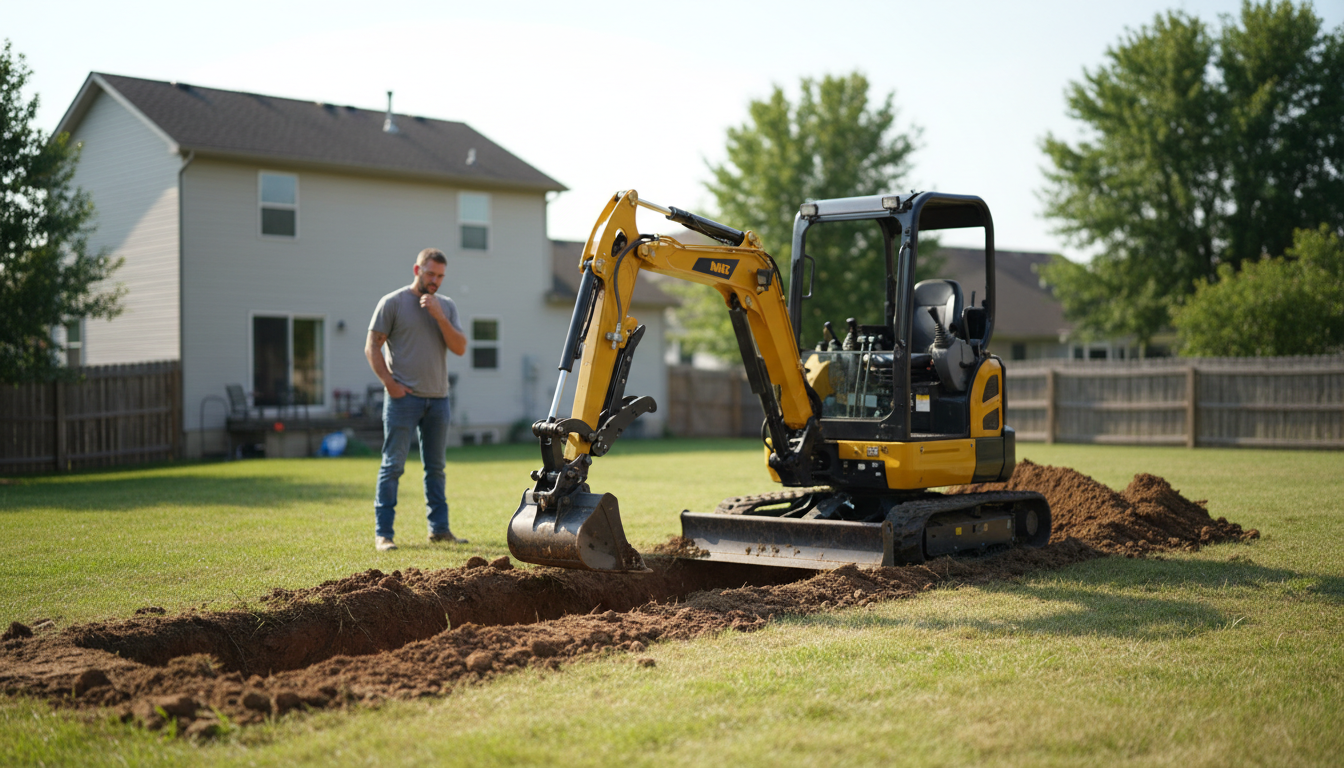
An excavation contractor manages site preparation by clearing debris, grading land, and digging precise channels for foundations or utilities. These professionals provide the essential excavation and trenching Orange County homeowners and developers need to ensure structural stability and proper drainage; additionally, they oversee safety protocols and utility locating throughout the digging process.
Starting a construction project in Orange County often begins with a sense of dread as soon as the first shovel hits the dirt. Between the hidden network of utility lines and the notoriously stubborn expansive clay found throughout the region, one wrong move can lead to catastrophic budget overruns or safety violations. At Orange County Site Work Services, we understand that site preparation is more than just moving earth; it is a discipline rooted in precision engineering and strict regulatory compliance. This guide provides a comprehensive roadmap for property owners navigating the high-stakes complexities of local excavation. You will learn how to secure essential permits, manage the physical challenges of regional soil, and implement the critical 5-4-3-2-1 trench safety rule. By mastering the five stages of the process and understanding local cost drivers, you can ensure your project remains on schedule and fully compliant.
Why Professional Excavation and Trenching Matter in Orange County
Moving earth in Southern California requires more than just heavy machinery; it demands a deep understanding of local geography and regulatory standards. In the context of excavation and trenching Orange County projects, excavation refers to the broad-scale movement of soil to reshape a lot or prepare a building site. Trenching is a specialized subset, involving deep, narrow cuts designed for specific underground installations like drainage or conduits.
Residential projects in coastal communities like Laguna Beach and Newport Beach often present unique challenges. Homeowners frequently require pool excavation on sloped lots, foundation preparation for custom builds, or precise utility trenching to update aging infrastructure. These tasks require a surgical approach to avoid damaging existing structures or neighboring properties. Large-scale earthwork focuses on mass grading and site stabilization, whereas utility trenching focuses on the critical paths for water, gas, and electrical lines. The two processes often overlap, but each requires specific safety protocols and equipment configurations.
Choosing a contractor with local tenure is vital for navigating these complexities. Orange County Site Work Services has operated in the region since 2004, bringing over 20 years of field experience to every job site. Our team utilizes specialized equipment, including Bobcats and dump trailers, to maintain efficiency in tight residential quarters where larger machines cannot maneuver. By integrating comprehensive grading services with expert digging techniques, we ensure the ground is stable and ready for the next phase of construction. If your project involves complex subterranean work, you should request a quote for trenching from a team that understands the specific demands of the 949 and 714 area codes.
Navigating Orange County Permits and Utility Locating
Beyond selecting a contractor, understanding the regulatory landscape is the first step toward a safe job site. Before any soil is moved for excavation and trenching Orange County projects, property owners must ensure compliance with local ordinances. OC Development Services oversees these regulations; the Grading Section is your primary point of contact for determining if your project requires a formal permit. You can reach them at (714) 667-8888 to discuss the specifics of your site, especially if you are working on the steep hillsides characteristic of Laguna Beach.
State law requires that you contact 811 DigAlert at least two working days before breaking ground. This free service coordinates with utility companies to mark public infrastructure such as main gas lines, water mains, and telecommunications cables. However, a common misconception is that 811 provides a comprehensive map of all subterranean hazards. The 811 technicians only mark public utilities from the street to the service meter.
Anything beyond the meter is considered a private utility. This includes: - Electrical lines running to a detached garage or ADU - Gas lines for outdoor fire pits or pool heaters - Irrigation systems and secondary water lines - Sewer laterals and septic components
Since 811 does not mark these private lines, hiring a private utility locator is often a necessary precaution. At Orange County Site Work Services, we emphasize that hitting an unmarked private line can be just as dangerous and expensive as striking a main. Thoroughly documenting findings and conducting a physical site walk to identify signs of utilities, such as vent pipes or cleanouts, helps prevent project delays. Taking these legal and safety precautions ensures that your comprehensive grading services proceed without the liability of a utility strike or a permit violation. If you are unsure about the location of your lines, you should request a quote for trenching to ensure a professional assessment is part of your project plan.
Understanding Orange County Soil: The Expansive Clay Challenge

Once permits are secured and utilities are located, the physical nature of the earth dictates the pace and method of work. In Southern California, and specifically throughout the 949 and 714 area codes, the primary geological hurdle is expansive clay. This type of soil contains minerals that absorb water, causing the soil to swell significantly in volume. When the ground dries out, it shrinks back down. This constant cycle of expansion and contraction creates a heaving effect that can crack concrete foundations, buckle retaining walls, or snap underground utility lines if the soil is not properly managed during the initial excavation and trenching Orange County phase.
Managing this dirt requires more than just digging a hole; it requires an expert understanding of soil density and moisture content. For projects involving comprehensive grading services, we often encounter clay that behaves differently depending on the season. During a wet winter, the soil becomes heavy and slick, making stabilization a challenge. In the dry summer months, the same clay turns rock-hard but develops deep fissures. If a trench is cut into dry, cracked clay without proper shoring or consideration for soil cohesion, the risk of a sudden side-wall collapse increases dramatically. We mitigate these risks by using specialized equipment to achieve the correct compaction levels, ensuring the ground provides a stable bed for your infrastructure.
Local knowledge is the only way to handle these soil profiles effectively. Orange County Site Work Services has spent two decades working with these specific conditions, from the coastal bluffs of Laguna Beach to the inland hills of North County. We know that generic site preparation often leads to foundation failure years later because the clay was not handled correctly. By focusing on proper drainage and density, we protect the long-term integrity of your build. Before you break ground, request a quote for trenching to ensure your site is prepared by a team that understands the volatile nature of local soil.
The Five Stages of the Excavating Process
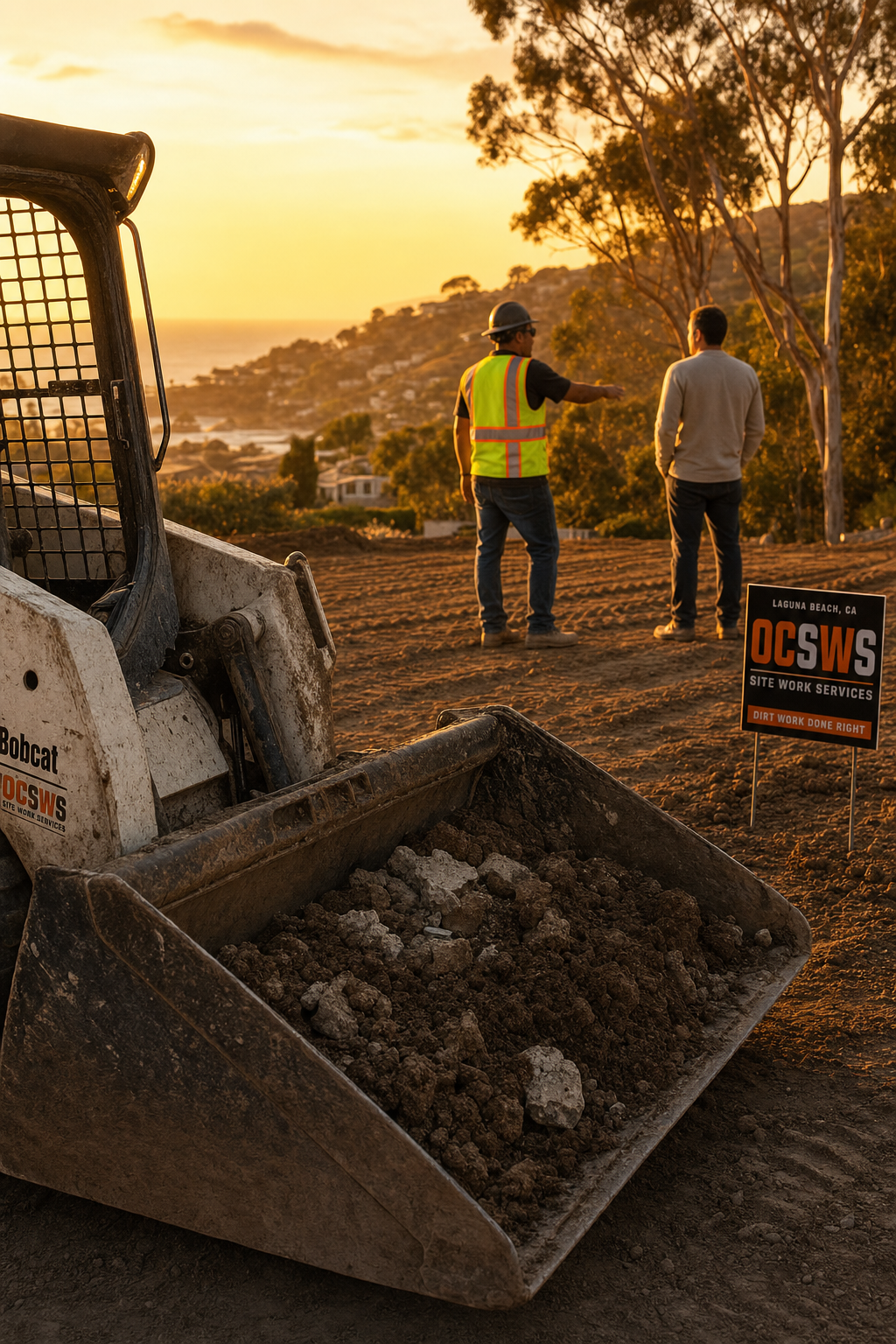
Understanding the soil is only half the battle; the rest is execution. A systematic workflow ensures that every shovel of dirt moved serves a specific structural purpose. At Orange County Site Work Services, we break this down into five distinct phases to maintain precision and safety on every job site.
Site Assessment and Planning: The process begins by translating site surveys into a physical roadmap. We mark out the exact footprint of the dig and cross reference our private utility maps. This stage is where we finalize the strategy for navigating the unique topography of the property, ensuring the excavation and trenching Orange County project accounts for all property lines and setbacks.
Clearing and Demolition: We strip the land of surface obstructions, including vegetation, old concrete pads, or unwanted debris. In the 949 area code, this frequently involves removing old hardscaping or overgrowth from a hillside. Our goal is to create a blank slate for comprehensive grading services to begin.
Strategic Digging and Grading: This stage involves the primary earthwork. Here, the role of specialized equipment becomes vital. We utilize Bobcats because their compact size allows us to navigate the tight side yards and narrow driveways common in Newport Beach and Laguna Beach. These machines provide the power needed for heavy excavation while maintaining a footprint small enough to avoid damaging neighboring structures.
Utility Installation and Drainage: Once the rough grade is established, we cut precise paths for gas, water, and electrical conduits. Given the local issues with expansive clay, we prioritize the installation of robust drainage systems. Proper trenching ensures that runoff is diverted away from the build site, preventing the soil expansion that leads to foundation failure.
Backfilling and Site Cleanup: After the utility lines are inspected, we fill the trenches and compact the soil in specific layers, or lifts, to ensure it meets the necessary density requirements. Excess dirt is loaded into our dump trailers and hauled away immediately. This keeps the job site safe and organized, which is essential when working in high density residential neighborhoods. To see how this process applies to your specific property, you should request a quote for trenching and schedule a professional site review.
Safety Standards: The 5-4-3-2-1 Trench Rule
Professional site management hinges on strict adherence to Cal/OSHA standards. For any excavation and trenching Orange County project, safety protocols are not suggestions; they are legal requirements designed to protect both workers and the property. We follow the 5-4-3-2-1 Trench Rule to ensure every dig meets these rigorous safety benchmarks.
5 Feet: Any trench five feet or deeper requires a protective system such as shoring, shielding, or sloping to prevent cave-ins. This is non-negotiable in the unstable, expansive clay soils common to the region.
4 Feet: This is the critical threshold for egress. Cal/OSHA's 4-foot rule for ladders dictates that any trench of this depth must have a ladder, ramp, or stairs located within 25 feet of any worker at all times.
3 Feet: Ladders must extend at least three feet above the top of the excavation. This provides a secure handhold for personnel entering or exiting the trench safely.
2 Feet: Excavated soil, known as the spoil pile, and heavy equipment must be kept at least two feet back from the edge of the trench. This reduces the surcharge load on the trench walls and prevents material from falling back onto workers.
1 Competent Person: A trained professional must inspect the site daily for hazards, soil changes, or structural issues.
At Orange County Site Work Services, our team integrates these safety measures into our comprehensive grading services. By maintaining a clean, compliant job site, we eliminate the risks of project shutdowns or accidents. Before starting your next project, request a quote for trenching to work with a team that prioritizes regulatory compliance and operational safety.
Estimated Costs for Excavation and Trenching Orange County
Estimating the budget for excavation and trenching Orange County projects depends heavily on the scope of work and the physical constraints of the site. For light residential work utilizing mini excavators, property owners can generally expect rates ranging from $110 to $150 per hour. While these hourly figures provide a baseline, the total project investment is shaped by several local variables that impact machine hours and labor intensity.
Soil composition is a primary cost driver. Digging through loose topsoil is significantly faster and less taxing on equipment than cutting through the dense, expansive clay prevalent in the 949 and 714 area codes. Site accessibility also dictates the equipment choice; narrow side yards in coastal neighborhoods often require smaller machinery that may take longer to move the same volume of earth than larger units. Additionally, hauling requirements play a significant role. At Orange County Site Work Services, we utilize our own dump trailers to streamline debris removal, but the volume of export material and the distance to disposal sites will affect the final bottom line.
Specialized tasks are often priced differently than comprehensive grading services. While mass grading is often calculated by the hour or cubic yard, utility trenching and intricate drainage solutions are frequently quoted by the linear foot to account for the precision required. To get a definitive breakdown for your specific property, you should request a quote for trenching to ensure all factors, from soil density to utility depth, are professionally evaluated.
What to Look for When Hiring an Excavation Contractor
Selecting the right partner for excavation and trenching Orange County projects requires more than just comparing hourly rates. Several red flags indicate a contractor may lack the stability or local expertise needed for complex earthwork. Be wary of any operator who cannot provide proof of specialized liability and workers’ compensation insurance, or who lacks verifiable references within the 949 or 714 area codes. Additionally, a request for a 50% deposit before equipment arrives is often a sign of financial instability.
A reliable team should own and maintain its fleet to avoid the delays associated with third party rentals. Orange County Site Work Services has operated with this philosophy since 2004, utilizing our own Bobcats and dump trailers to maintain tight control over project timelines. With over 20 years of local experience, we specialize in delivering comprehensive grading services tailored to the unique geological needs of the region. To ensure your site is handled by a team that prioritizes dependability and efficiency, you should request a quote for trenching and schedule a professional consultation.