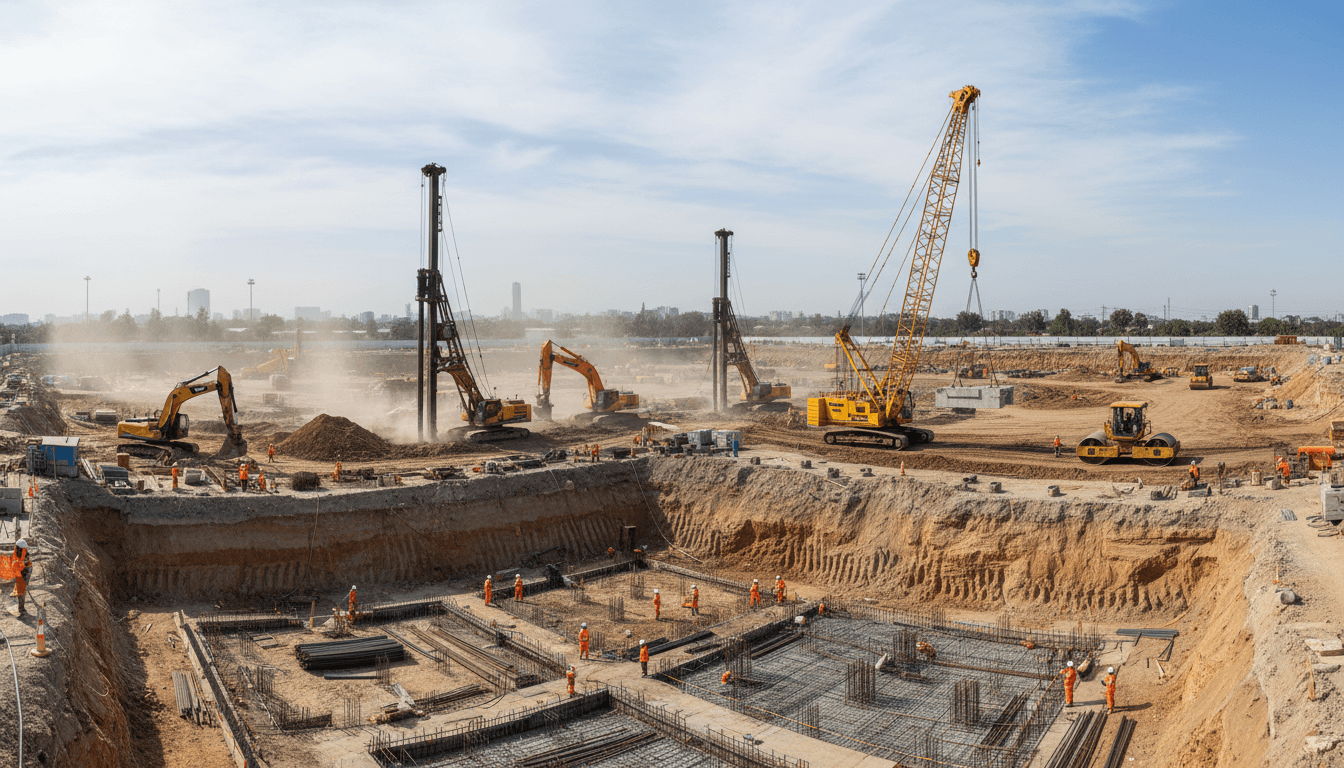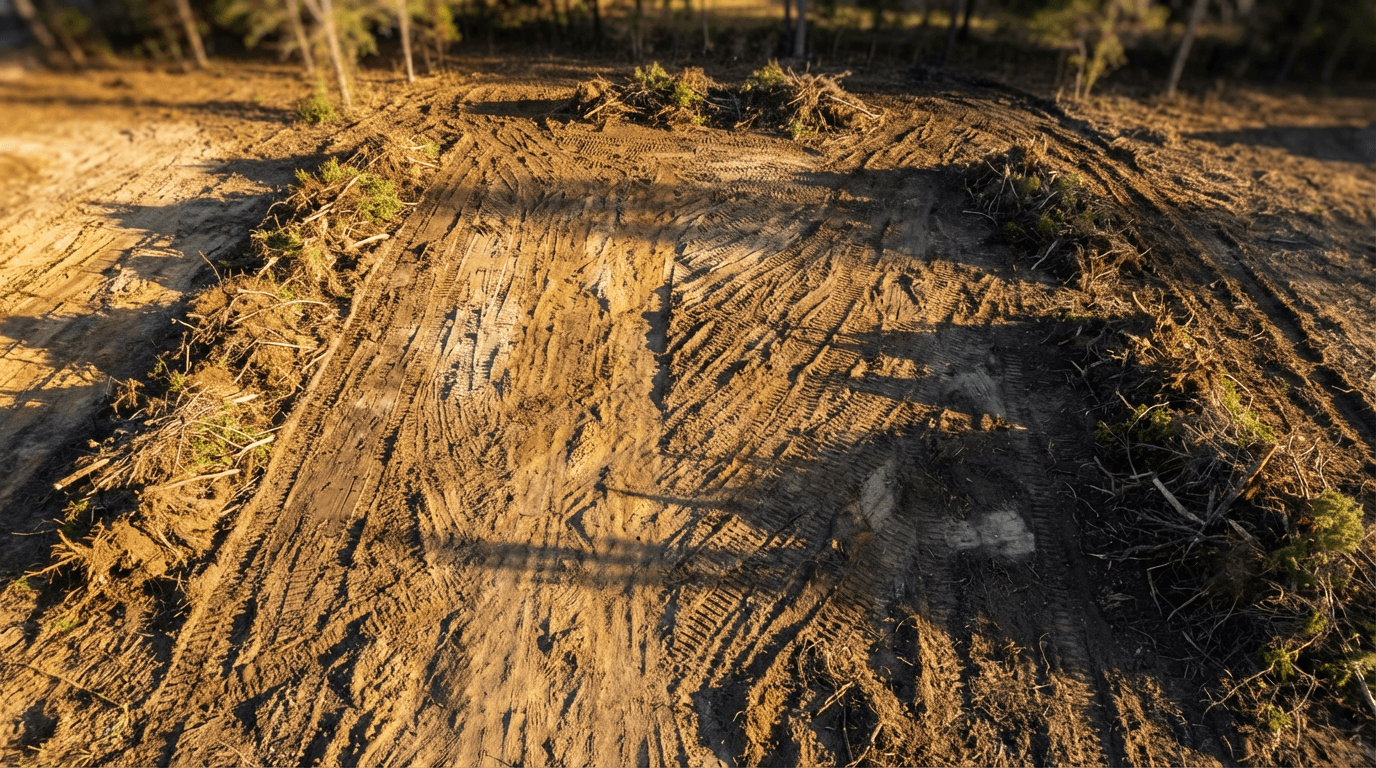

To select a qualified site work contractor Orange County, verify they possess a valid grading contractor license and understand local permit requirements for moving over 50 cubic yards of soil. Essential vetting steps include reviewing their experience with precise grading and ensuring they can provide the necessary geotechnical data to comply with regional excavation codes.
Selecting a site work contractor in Orange County is often the most stressful decision a general contractor makes. One missed utility line or an improperly graded slope can stall a multi million dollar project before the foundation is even poured. In a region where soil stability and strict municipal oversight are the norm, your choice of partner dictates the entire project trajectory. This guide provides the practical expertise needed to vet contractors effectively. You will learn how to navigate the complexities of local grading permits, manage the logistical challenges of hillside access, and coordinate demolition with precision. We also include a comprehensive vetting checklist to ensure your next site work partner possesses the equipment and local knowledge required to protect your bottom line and project timeline.
The High Stakes of Earthwork: Why Your Choice of Site Work Contractor Matters
For a General Contractor, earthwork represents the literal and metaphorical foundation of the entire build. Every subsequent trade, from the concrete crew pouring footings to the plumbers laying lateral lines, relies on the precision of the initial site prep. When a site work contractor Orange County fails to meet a deadline or misses a grade by even a few inches, it creates a ripple effect that compromises the entire project schedule and budget. A single day's delay in excavation can push back the framing and roofing stages weeks down the line, especially in the high demand markets of Laguna Beach and Newport Coast.
Standard subcontractor vetting processes often fall short for earthwork because the risks are unique. This phase of construction is not just about labor; it is about specialized equipment and an intimate understanding of local geography. A contractor must be able to navigate complex Orange County soil types and strict municipal regulations that differ significantly from one city to the next. At Orange County Site Work Services, we have provided comprehensive earthwork and grading solutions since 2004. We understand the logistical pressure GCs face because we have spent over two decades in the field, ensuring that the first shovel in the ground leads to a successful project finish.
Beyond the License: Vetting for Local Expertise and Equipment Capability

Verification of a valid CSLB license is a baseline requirement, but it does not account for the logistical nuances of Southern California terrain. A reputable site work contractor Orange County should demonstrate deep familiarity with the specific geological and logistical constraints of our region. For example, moving earth for a multi unit development on the flat expanses of Irvine is a different discipline than executing a complex hillside grading project in Laguna Beach or Newport Coast. Hillside work requires precise benching and a mastery of shoring techniques that are not necessary on level ground.
Equipment availability is a primary driver of project timelines. Many contractors rely on third party rentals to fill gaps in their fleet, which places your schedule at the mercy of a rental yard’s inventory. When a site work partner owns their own equipment, such as Bobcats and dump trailers, they maintain full control over the deployment of those assets. This eliminates the "no-show" equipment delays that often plague the early stages of a build. Furthermore, owned equipment is usually better maintained, reducing the risk of hydraulic leaks or mechanical failures on-site.
A contractor’s safety record in specialized excavation and trenching is equally critical. Excavation is statistically one of the most hazardous phases of construction. You should look for a firm with a documented safety program and a history of clean inspections. Ask about their methods for soil stabilization and their approach to utility strikes. A contractor who treats safety as a core competency rather than a box to check will protect your project from the litigation and OSHA stoppages that follow site accidents. By focusing on equipment ownership and terrain specific experience, you ensure that the contractor can actually deliver on the promises made during the bid process.
Navigating OC Grading Permits and the Critical Role of the Soil Report
Understanding the regulatory framework of Orange County Public Works is as vital as operating the heavy equipment. Most GCs are aware that per CBC Chapter 33, a grading permit is triggered when soil movement exceeds 50 cubic yards or when a cut or fill exceeds certain depths. However, an expert site work contractor Orange County provides value by identifying these triggers early during the pre construction phase. This prevents stop work orders and ensures that erosion control measures are permitted and in place before mobilization.
The geotechnical or soil engineering report acts as the roadmap for every project. We interpret this data to anticipate how specific local soils, such as the expansive clays often found in South County, will behave under compaction. Misreading these reports leads to mid project surprises like soil instability or failed moisture tests. By analyzing the soil report alongside the grading plan, a contractor can accurately estimate the necessary lifts and compaction efforts required to meet the engineer's specifications for comprehensive earthwork and grading solutions.
Clarity on grading terminology is also essential for maintaining the project schedule and budget. OC Development Services distinguishes between three primary phases that GCs must coordinate:
Mass Grading: The large scale movement of earth to establish the general site layout and balance the lot.
Rough Grading: The stage where building pads and primary access routes are brought to within a fraction of a foot of the final design elevation.
Precise Grading: The meticulous final shaping that includes drainage swales and specific finish elevations required for municipal permit sign off.
A contractor who understands these distinctions ensures that the transition from earthwork to the next trade is seamless. If you have specific questions about your site's topography or soil conditions, you can contact our team to review your project plans.
Strategic Scheduling: Coordination Between Demolition, Excavation, and Utilities

Successful projects are won or lost during the Day 0 logistics phase. For a General Contractor, the primary objective is to eliminate the gap between demolition and the start of excavation. When multiple subcontractors are involved, this transition often results in a stalled site where debris sits, or where the demolition crew fails to clear the site to the specific tolerances required for the grading team. A site work contractor Orange County should act as a bridge, ensuring that the sequence from structural removal to hauling occurs without a lapse in momentum.
Selecting a single partner for both demolition and earthwork significantly reduces communication friction. It removes the risk of two different crews blaming each other for site conditions or utility damage. When the same team that performs the demolition also handles the specialized excavation and trenching, they have an inherent understanding of what lies beneath the surface. This continuity is especially vital when prepping for utility laterals, as the crew can preserve the integrity of the soil and existing connections throughout the teardown process.
Before any equipment mobilizes, a formal pre-construction walkthrough is essential to verify utility marks and staging areas. This meeting is the time to finalize the schedule according to local noise ordinances. In residential areas like Laguna Beach or Newport Beach, work hours are often strictly monitored by code enforcement. Setting clear notice hours for neighbors and adhering to municipal start times, often 8:00 AM for heavy machinery, prevents avoidable fines and stop-work orders. To discuss how to align your upcoming project schedule, you can contact our team to review your comprehensive earthwork and grading solutions requirements.
Logistical Mastery: Managing Haul Routes and Hillside Access in Orange County

Moving material in Orange County requires more than just a truck and a driver. It demands a sophisticated understanding of local infrastructure and shifting disposal costs. Landfill fee spikes and specific gate requirements at facilities like the Frank R. Bowerman or Olinda Alpha landfills can impact a budget if not managed correctly. A seasoned site work contractor Orange County should maintain established accounts and have a pulse on regional tipping fees to provide accurate, stable bidding. Beyond the costs, the physical act of hauling in coastal communities like Laguna Beach, San Clemente, or Dana Point presents extreme spatial challenges.
Large, heavy machinery often becomes a liability on hillside sites. Massive excavators provide high volume, but they require significant clearance and risk damaging existing infrastructure, retaining walls, or neighboring properties. Smaller, more nimble equipment like Bobcats and specialized dump trailers are often superior for these tight residential footprints. This smaller profile allows for precision work in confined spaces where larger machines simply cannot maneuver, ensuring comprehensive earthwork and grading solutions are executed without property damage or logistical gridlock.
General contractors should demand a formal haul route plan before mobilization. This plan must detail the specific streets utilized and, more importantly, the strategy for dust control and street sweeping. These factors are the primary friction points with OC code enforcement. A professional sub will have a proactive plan for mitigating track-out and managing traffic flow on narrow roads to prevent complaints. If a contractor cannot explain their process for keeping the public right-of-way clean, they represent a liability to your project's reputation. To ensure your logistics are handled by professionals who understand these local constraints, you can contact our team for your next specialized excavation and trenching project.
The Drainage Factor: Ensuring Long Term Project Integrity
Drainage is often the most overlooked component of a successful build, yet it remains the primary cause of long term structural failure and post construction litigation. A qualified site work contractor Orange County understands that proper water management begins during the mass grading phase, not after the hardscape is poured. If the subgrade is not meticulously sloped to account for finish elevations, water inevitably pools against foundations or beneath expensive stone patios.
The most common point of failure is poor coordination between the rough grader and the eventual landscaping or hardscaping crews. When a grader ignores the specific depth requirements for sub-base materials, the final installer is often forced to make field adjustments that compromise drainage swales. By prioritizing comprehensive earthwork and grading solutions that include integrated drainage planning, you eliminate the risk of standing water and saturated soils that lead to slab movement.
Executing specialized excavation and trenching for area drains and French drains correctly the first time is essential. It protects the General Contractor from costly warranty claims related to moisture intrusion or soil erosion. A proactive site work partner ensures that all subterranean lines are placed with the correct pitch and backfilled to prevent settling. If your current plans require a review of site flow or regrading specifications, you can contact our team to discuss the technical requirements of your project.
The Site Work Vetting Checklist: Questions Every GC Must Ask
Finalizing the pre construction phase requires moving from broad assessment to specific interrogation. A qualified site work contractor Orange County should provide transparent, data backed answers to these logistical and technical questions. Use this checklist during your interview process to ensure the sub can handle the specific demands of your site, especially for comprehensive earthwork and grading solutions.
Do you own your dump trailers and Bobcats, or do you rely on rental schedules?
How do you handle unforeseen soil conditions, such as hitting hard rock or expansive clay, once excavation begins?
What is your protocol for verifying underground utility locations before starting any specialized excavation and trenching?
Can you provide references from GCs on projects with similar topography, specifically hillside grading if the site is in Laguna Beach or Newport Coast?
How do you manage dust control and street sweeping to comply with local Orange County code enforcement?
What is your plan for haul routes and managing tipping fees at local landfills?
Do you have an established safety program specifically for trenching and shoring?
Before signing a contract, ensure these answers align with your project timeline and budget. If you need to verify technical specs for a current bid, you can contact our team for a detailed consultation.