Choosing between native soil and engineered fill for hillside lot grading Orange County depends on the structural requirements of the building pad and the slope's natural stability. While native soil is suitable for undisturbed landscaping, engineered fill is required for buildable pads because it is processed and compacted to support foundations and prevent erosion. Professional geotechnical analysis ensures the correct material is used to maintain safety and compliance with local building standards.
Developing a buildable pad on an Orange County hillside often feels like a battle against gravity and local building codes. Homeowners and developers face a critical choice that dictates the structural integrity and long term success of their project. Should you rely on the native soil already on site, or is the investment in imported engineered fill mandatory for your specific slope? This decision affects everything from your foundation's stability to your overall hauling budget. In this guide, we examine the complexities of cut and fill operations within our unique coastal terrain. You will learn the technical differences between local earth and structural fill, the importance of drainage and retaining walls, and the logistical realities of managing heavy equipment on steep terrain. Our goal is to provide the practical insight needed to navigate the OC grading process with confidence and precision.
The Complexity of Hillside Lot Grading in Orange County
Building in the canyons and coastal slopes of Laguna Beach, Newport Coast, and Irvine presents geological challenges that standard flat-lot developments never encounter. Unlike inland projects, hillside lot preparation Orange County demands a rigorous balance between structural integrity and strict municipal oversight. The Orange County Grading Manual explicitly defines a hillside site as any project area where the vertical height change is three feet or more. Once a site meets this threshold, the grading process moves beyond simple excavation into a specialized discipline focused on slope stability and seismic resilience.
Every project begins with a fundamental decision regarding the earth itself. The steep gradients typical of local terrain often require significant material movement to create a stable, level building pad. Experts must determine if the native soil, often composed of unpredictable expansive clay, can meet modern safety standards after processing. Alternatively, they may need to import engineered fill, which is a specialized material tested for specific load-bearing capacities. This debate between using on-site materials versus importing high-quality structural fill dictates the long-term success of the foundation; it also significantly impacts the overall project timeline and budget. Navigating these requirements requires a practical understanding of how local soils behave under pressure.
Understanding the Cut and Fill Process for Sloped Lots
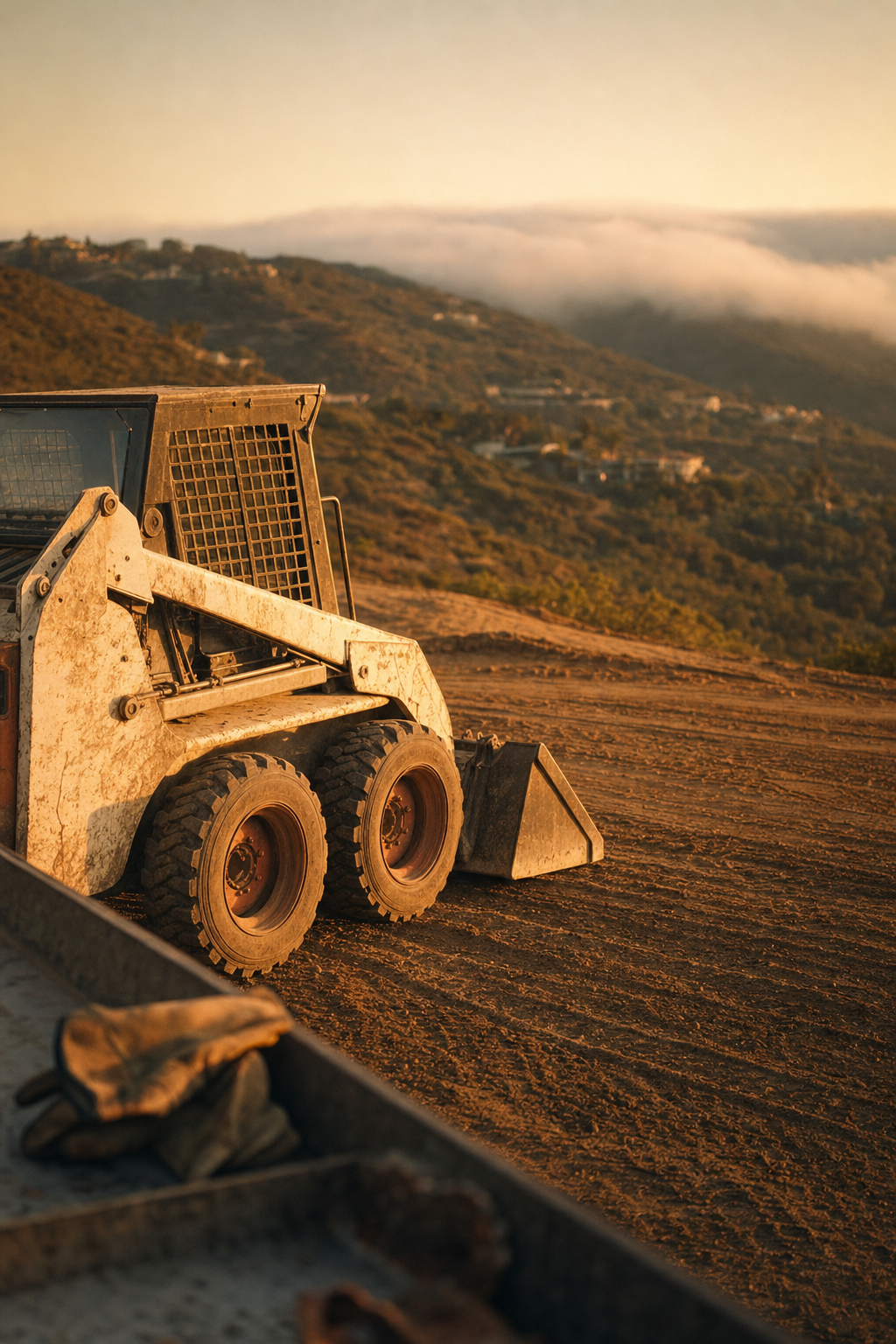
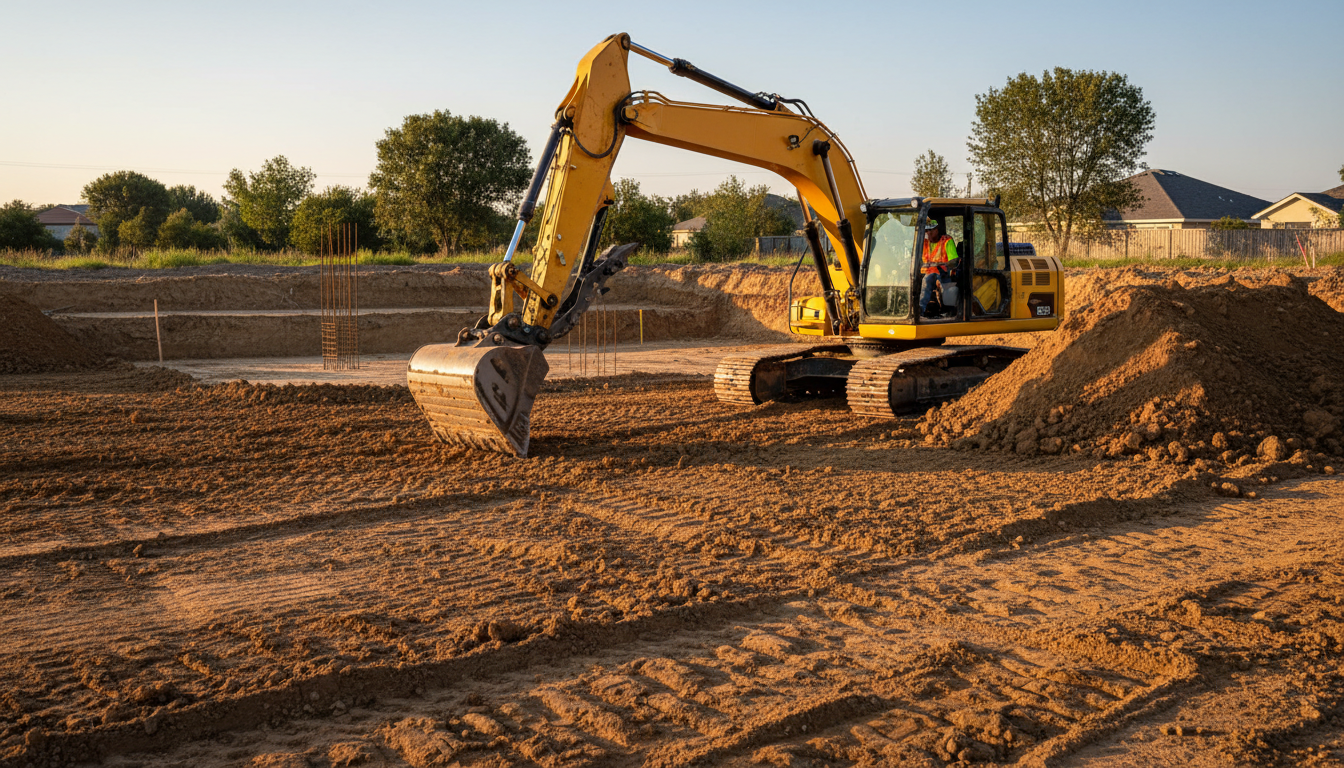
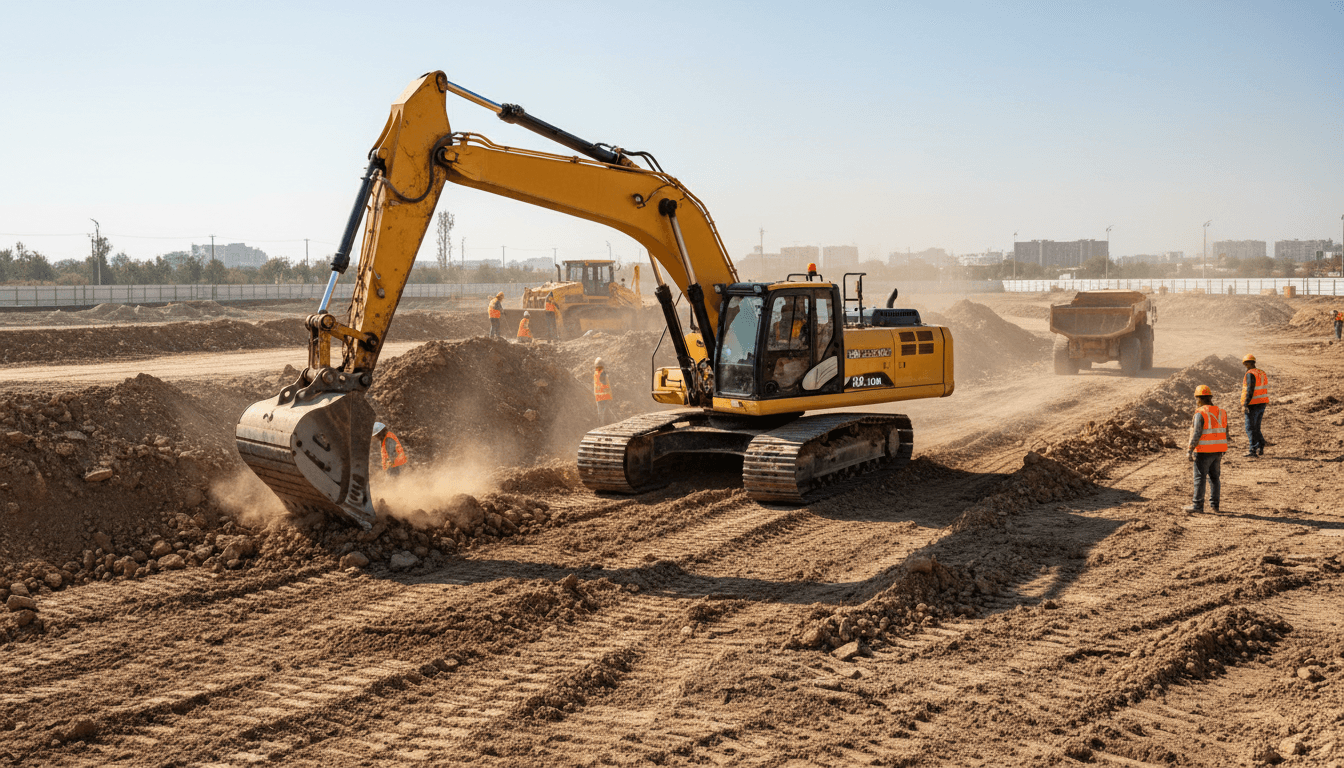
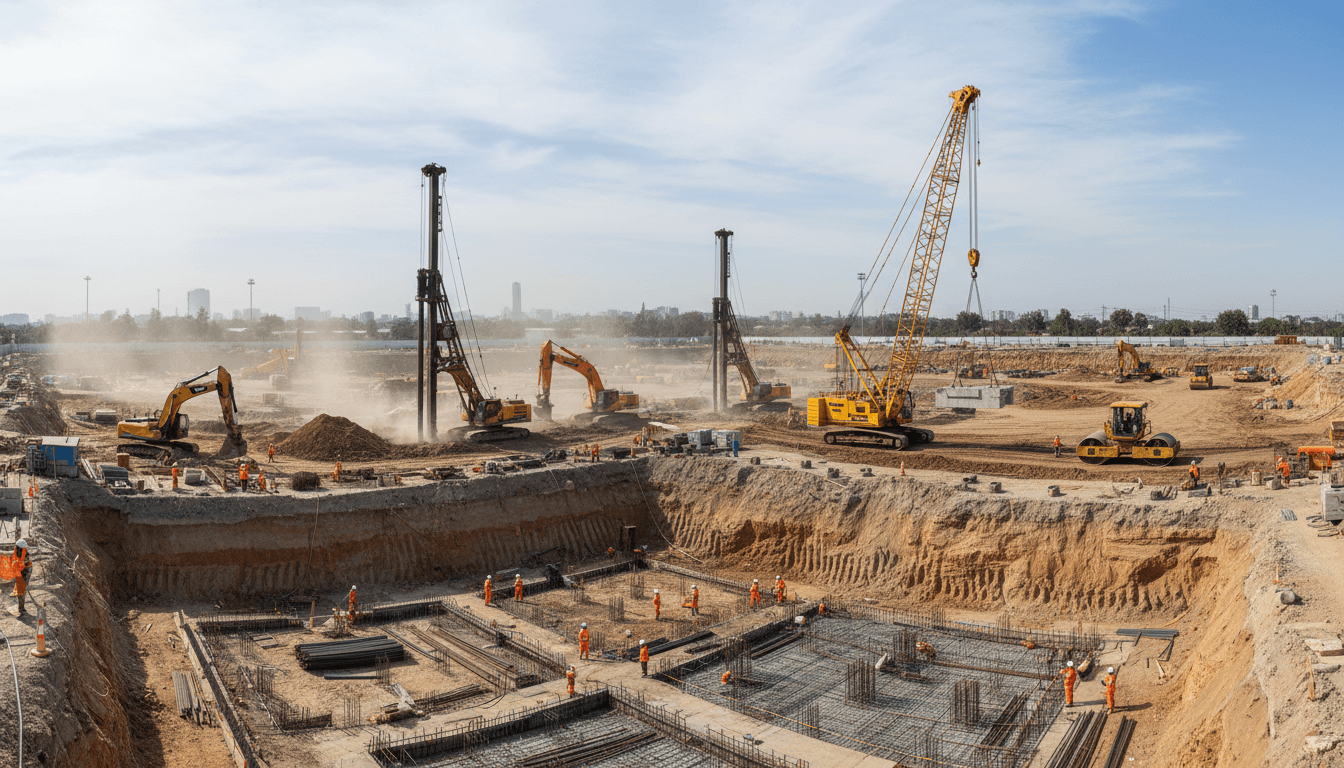
Cut and fill grading is the primary method used to transform a steep slope into a functional building site. In local hillside lot grading Orange County projects, this process involves a calculated redistribution of earth to achieve a mass balance. The operator uses excavators to cut into the uphill portion of the terrain, removing specific volumes of earth to lower the grade to a predetermined elevation. This material is then moved to the downhill side to fill the void and raise the elevation. The ultimate goal is to create a level bench, or building pad, that sits partly on the original hillside and partly on newly placed earth.
This process differs significantly from simple excavation. While standard excavation focuses primarily on removing material for a basement or utility trench, cut and fill is an engineering maneuver designed to create a stable, load-bearing surface. The success of this transition depends on how the fill side of the pad is constructed. On the steep gradients found in Newport Coast or Laguna Beach, the fill portion of the pad is essentially a manufactured slope that must resist the forces of gravity and seismic activity.
The integrity of the entire project rests on structural fill compaction. Instead of simply dumping dirt on the low side, the earth must be placed in thin, controlled layers known as lifts. Each lift is moisture-conditioned and mechanically compressed to meet the strict density requirements outlined in the project's geotechnical report. If the fill material is poor quality or the compaction is insufficient, the house may experience differential settlement, where one side of the foundation sits on solid, unmoving cut earth while the other side sinks into soft, uncompacted fill.
Native Soil: The Benefits and Risks of Reusing Local Earth
Native soil refers to the raw material naturally occurring on a property before construction begins. In the coastal canyons and hillsides of Orange County, this material is frequently characterized by high concentrations of expansive clay. These clays are geologically volatile; they expand significantly when saturated by winter rains and contract during the dry summer months. This cycle of swelling and shrinking creates a lack of structural predictability that can jeopardize foundations if the soil is not properly managed during hillside lot preparation Orange County projects.
Reusing local earth offers the obvious benefit of cost efficiency. By utilizing material already on-site, builders avoid the substantial expenses associated with hauling unsuitable soil to a landfill and the subsequent purchase price of imported aggregate. However, the risks often outweigh these savings. Native soil often contains high levels of organic matter, such as root systems, decayed vegetation, and topsoil. If this organic material is trapped within a fill lift, it eventually decomposes, creating underground voids that lead to localized settling and structural cracking years after the project is finished.
Factor | Native Orange County Soil | Engineered Fill |
|---|---|---|
Composition | Varies; typically expansive clay | Controlled sand, gravel, and soil mix |
Cost | Low (no hauling or purchase fees) | Higher (material and transport costs) |
Stability | Low; prone to shrinking and swelling | High; consistent density and load-bearing |
Preparation | Requires extensive clearing and grubbing | Pre-screened and ready for placement |
Before native soil can even be considered for reuse as fill, the site must undergo a rigorous clearing and grubbing process. This involves removing all surface vegetation and excavating deep enough to extract all root structures and debris. Even after clearing, the soil must be moisture-conditioned to reach the precise levels required for structural fill compaction, a process that often requires more time and heavy equipment labor than simply importing a pre-conditioned engineered product.
What is Engineered Fill and When Is It Mandatory?

Engineered fill, often referred to as structural fill, is a manufactured product designed to perform where native earth fails. In the context of hillside lot grading Orange County, this material is a specific, calibrated mixture of soil, sand, and gravel. Unlike the raw clay often found in local canyons, engineered fill is screened to remove all organic matter and rocks larger than three inches, then moisture-conditioned to hit a precise optimum moisture point. This allows the material to be compressed into a dense, stone like state that resists shifting and compression.
Local municipalities and geotechnical engineers mandate the use of engineered fill for any area that will bear a structural load. This primarily includes the building pad directly beneath the foundation and the critical zones behind structural retaining walls. The primary goal is to eliminate the air pockets and unpredictable behavior of unconditioned soil. A geotechnical report provides the roadmap for this process, specifying exactly how much mechanical effort is needed to achieve a compaction rating of 90 to 95 percent. This percentage refers to the material's maximum dry density, a benchmark that ensures the ground is virtually as solid as the native bedrock.
By using this material for hillside lot preparation Orange County, builders create a stable platform that acts as a bridge between the natural slope and the rigid house foundation. This consistency is vital for long term stability. Without it, the fill portion of a cut and fill site would inevitably settle under the weight of the structure. Proper structural fill compaction ensures that once the foundation is poured, the earth beneath it will not move, regardless of the steepness of the surrounding terrain or the presence of groundwater.
The Decision Matrix: Import Fill vs. Native Soil for Your Buildable Pad
Choosing between native material and imported fill for hillside lot grading Orange County requires analyzing the specific zone of the project. While native earth is often suitable for non-load-bearing peripheral landscaping or decorative berms, the structural footprint demands a higher standard. Geotechnical reports typically define a factor of safety, which is a numerical ratio indicating the slope's resistance to failure. To meet this ratio on the steep terrain of Laguna Beach or Newport Coast, the building pad must consist of material with predictable shear strength.
The perceived savings of using free native soil often vanish when accounting for processing time. Orange County's expansive clays rarely sit at their optimum moisture content. Achieving the necessary density for structural fill compaction requires the operator to spread the clay, aerate it to dry, or meticulously hydrate it, all while removing oversized cobbles. In contrast, importing pre-screened engineered fill allows for immediate placement and predictable results.
Application | Recommended Material | Primary Reason |
|---|---|---|
Structural Pad | Engineered/Import Fill | Predictable load-bearing and minimal settlement |
Slope Repair | High-Quality Import | Essential for meeting the geotech factor of safety |
Landscape Areas | Native Soil | Cost-effective for non-structural, low-risk zones |
For high-stakes hillside lot preparation Orange County projects, the decision usually hinges on the gradient. Steeper lots create higher stress on the fill bench, making the consistency of imported aggregate a safer, and often faster, investment than fighting with unpredictable local earth.
Drainage and Retaining Walls in Hillside Site Preparation
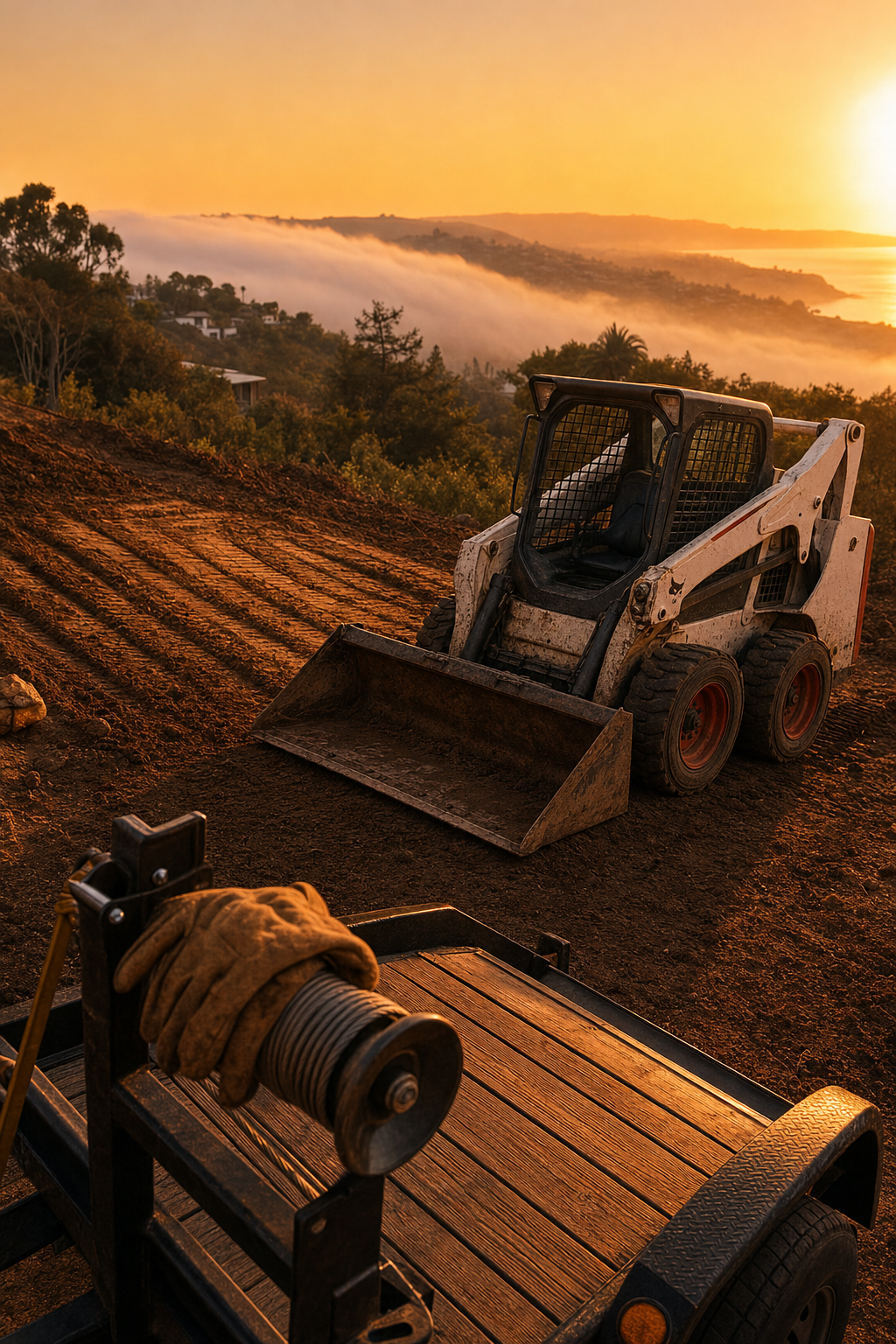
Proper hillside lot preparation Orange County is never just about moving dirt; it is about controlling the flow of water. When a slope is graded, the natural paths for rainwater are altered, creating an immediate need for integrated drainage systems to protect the newly established grade. Systems such as V-ditches, area drains, and sub-drains are essential to prevent erosion and ensure that the building pad remains dry and stable. Without these measures, even the most carefully graded lot in Laguna Beach or Newport Coast can face significant saturation issues during heavy winter storms.
Retaining walls are the primary tools used to carve out flat space on steep terrain, but they effectively act as dams if not engineered correctly. A retaining wall reaching a height of 600mm or larger requires dedicated retaining wall drainage to mitigate hydrostatic pressure. This pressure occurs when water accumulates in the soil behind the wall, dramatically increasing the weight and lateral force pushing against the concrete or block structure. To prevent wall failure, we install perforated drain pipes and clean gravel backfill, which provide a path of least resistance for water to escape.
The relationship between the fill material and drainage is critical. Dense, unconditioned Orange County clay is notorious for its low permeability, meaning it traps water and swells rather than allowing it to pass through. In contrast, engineered fill is specifically screened to allow for better water percolation. When this material is placed using proper structural fill compaction techniques, it works in tandem with the drainage system. It allows moisture to move through the soil profile into the sub-drains rather than pooling against the foundation or the back of a retaining wall.
Logistics and Costs: Hauling and Equipment for OC Hillside Projects
Orange County hillside projects, particularly in established neighborhoods like Laguna Beach or the narrow canyons of Silverado, demand a surgical approach to logistics. The tight access and steep street gradients make massive earthmovers impractical. Instead, we utilize specialized equipment such as Bobcats, mini excavators, and dump trailers that can navigate winding roads and constrained lot lines without damaging existing infrastructure. This smaller equipment footprint is essential for hillside lot preparation Orange County, though it often requires more cycles to move the same volume of earth compared to flat land developments.
The overall hillside lot grading cost is typically divided into three primary categories: excavation labor, material logistics, and administrative compliance. Hauling is often the most volatile variable. If a geotechnical report deems the native soil unsuitable due to high organic content or instability, it must be exported. Recent spikes in local landfill tipping fees have significantly increased the cost of removing this surplus material.
Expense Category | Primary Components | Impact on Budget |
|---|---|---|
Equipment & Labor | Small-chassis machines, skilled operators | High (governed by site access) |
Materials | Imported engineered fill, gravel for retaining wall drainage | Moderate to High (varies by volume) |
Quality Control | Soil density testing for structural fill compaction | Necessary (standard fixed cost) |
Furthermore, the city requires frequent site visits from a deputy inspector or geotechnical engineer to verify that every lift meets the 90 to 95 percent density standard. These testing fees are a critical part of the budget, ensuring that the work performed for hillside lot grading Orange County today prevents a structural failure in the future.
Achieving a stable building pad on a hillside requires a careful balance between using native materials and importing engineered fill. This decision impacts both your budget and the long term structural integrity of your site. If you want expert help navigating these technical requirements, we invite you to explore our comprehensive services to see how we can assist. Starting with a properly graded foundation ensures your project remains safe and compliant throughout the construction process and beyond.