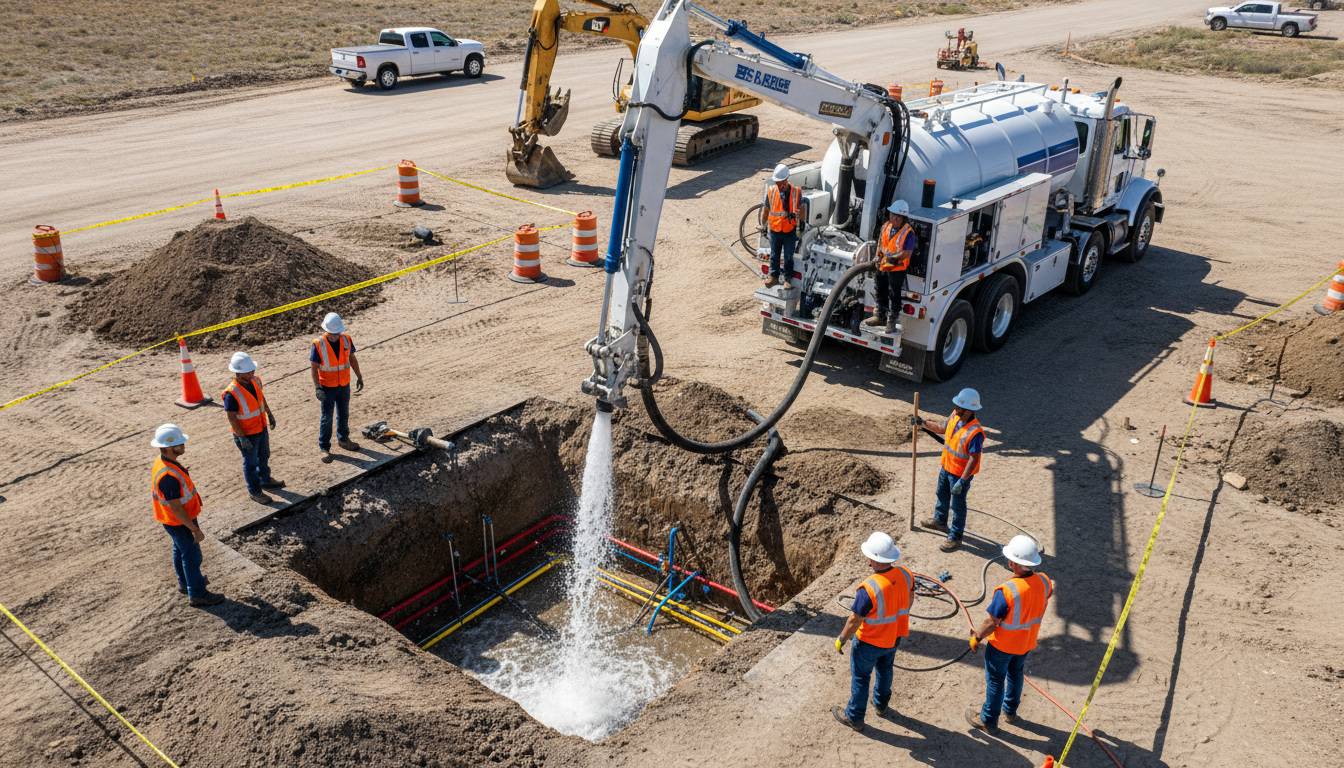
Utility trenching Orange County involves the professional excavation and installation of underground conduits for essential services like water, sewer, and electricity. Average costs for these projects range from $5 to $12 per linear foot in dirt, although prices increase for surfaces like asphalt or concrete. Licensed contractors often utilize hydro vacuum potholing to safely identify existing utility lines during the site development process.
Navigating underground utility installation in Orange County presents unique challenges that can quickly stall a project if not managed with precision. Whether you are dealing with the stubborn expansive clay of the inland canyons or the shifting sands along the coast, improper trenching leads to costly delays and safety hazards. At Orange County Site Work Services, we understand that a successful build starts beneath the surface. This guide provides a comprehensive overview of what property owners and developers need to know to ensure a seamless installation. We will examine specific regional soil conditions, break down the costs per foot across different surfaces, and clarify the essential California depth requirements. Furthermore, you will learn about the critical nature of DigAlert compliance and how to choose between joint or parallel trenching strategies to optimize your site development timeline.
Understanding Utility Trenching in Orange County
Utility trenching is the foundational process of excavating narrow, strategic channels to install or upgrade underground infrastructure. These pathways house essential services including water lines, natural gas pipes, electrical conduits, and telecommunications fiber. While the concept seems straightforward, utility trenching in Orange County involves navigating a dense patchwork of existing lines, high-density residential neighborhoods, and strictly regulated coastal zones.
In areas like Laguna Beach, the combination of steep terrain and stringent environmental codes requires more than just a shovel and a backhoe. It demands precise planning to ensure that new installations do not interfere with established systems or violate local zoning ordinances. Orange County Site Work Services brings over 20 years of hands-on experience to these complex local projects. Since 2004, our team has specialized in navigating the unique logistical hurdles found throughout Southern California.
Successful trenching requires a balance of power and precision. Utilizing dedicated equipment like Bobcats and specialized dump trailers, we provide professional excavation and trenching services that prioritize site integrity. Our approach ensures that every project, from simple residential repairs to large scale commercial developments, meets the specific engineering standards required by Orange County municipalities.
Orange County Soil Challenges: Navigating Clay and Coastal Terrain
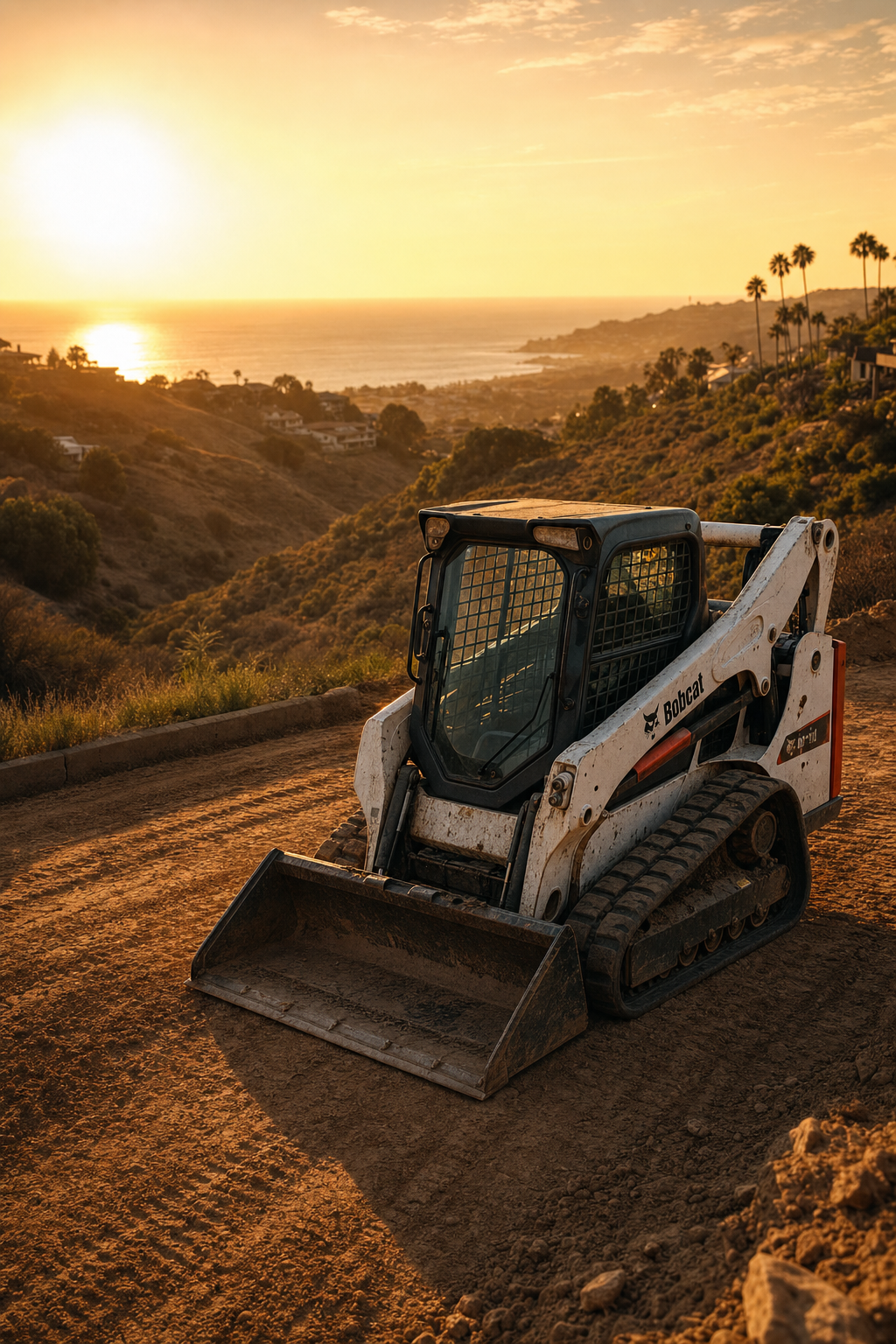
Orange County's geography is as varied as its architecture, presenting unique challenges for any utility trenching Orange County project. In inland cities like Irvine and Lake Forest, contractors frequently encounter expansive clay soils. This type of earth is notoriously difficult because it expands significantly when wet and shrinks when dry, putting immense physical pressure on underground conduits. Unlike the loose, sandy soils found directly on the shoreline, dense clay requires high breakout force and heavy duty attachments to penetrate.
To handle these rigorous conditions, our team utilizes specialized equipment, such as Bobcats equipped with heavy duty trenching buckets. These machines provide the necessary torque to cut through stubborn adobe clay that would render lighter, residential grade equipment ineffective. Beyond the difficulty of the dig itself, clay impacts the immediate structural integrity of the open trench. Because clay is heavy and prone to sudden shifting, maintaining vertical walls is often unsafe without specific engineering precautions.
Depending on the depth and soil moisture at the time of excavation, we implement shoring or precise sloping to prevent cave-ins. In the steep, coastal terrain of Laguna Beach, the soil may be intermixed with sandstone or rocky debris, requiring a nuanced approach to comprehensive earthwork and grading solutions. Properly managing these geological factors is essential for the longevity of the utilities. If a trench is backfilled improperly in expansive soil, the resulting ground movement can crack pipes or snap conduits years after the initial installation. Our 20 years of experience in the local terrain allows us to anticipate these shifts, ensuring that the bedding and backfill materials are selected specifically to mitigate local soil pressure.
Utility Trenching Cost Per Foot: Dirt, Asphalt, and Concrete
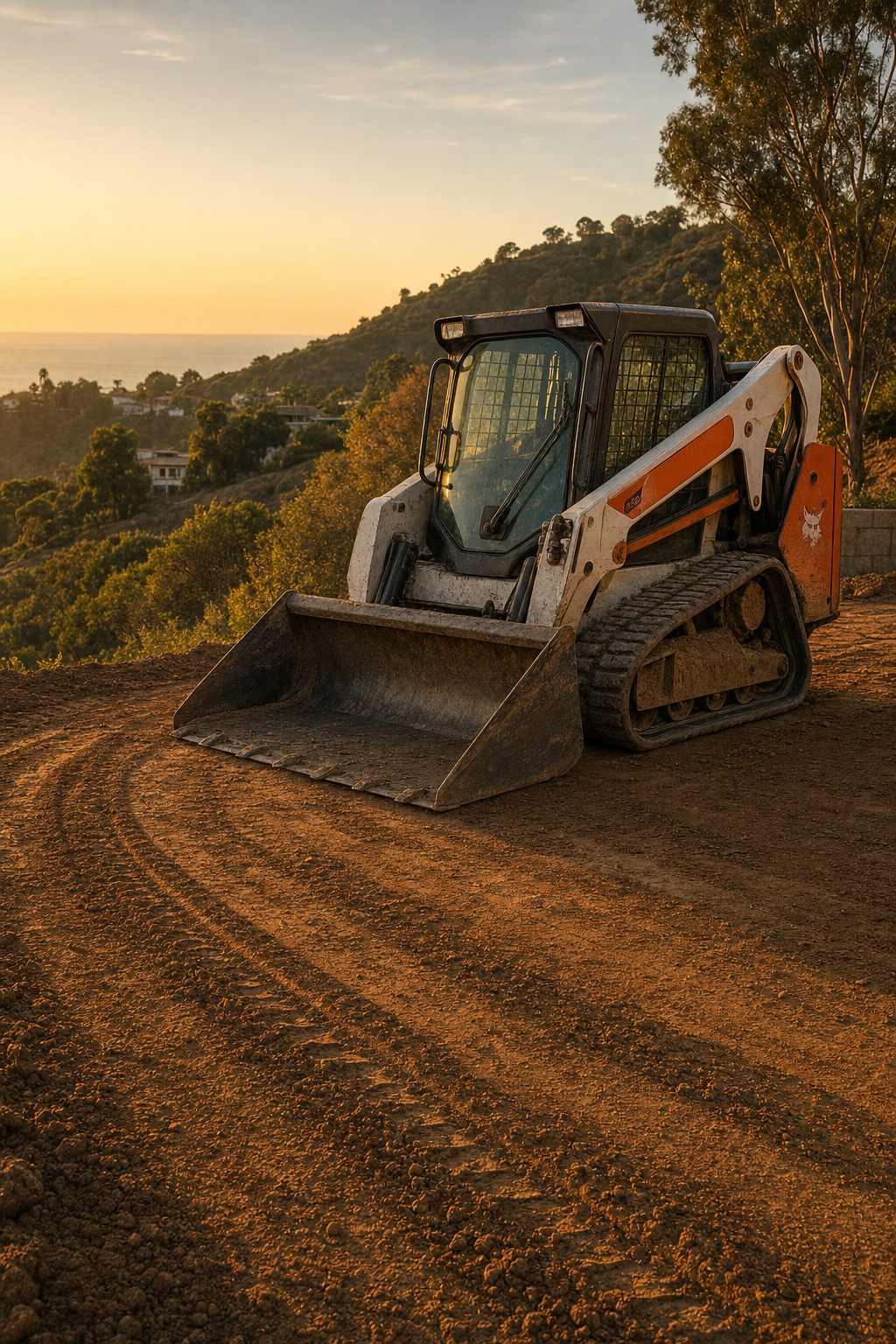
Calculating the budget for utility trenching Orange County requires an understanding of what lies above the soil just as much as what lies beneath it. The surface material dictates the equipment, labor hours, and disposal requirements for the project. While every site has unique variables, understanding the baseline costs per linear foot helps property owners plan their underground infrastructure improvements effectively.
Surface Type | Typical Cost per Linear Foot |
|---|---|
Dirt and Unimproved Soil | $5 – $12 |
Asphalt Pavement | $12 – $24 |
Concrete Surfaces | $15 – $30 |
Dirt trenching is the most straightforward application, assuming the area is clear of major obstructions. The $5 to $12 range generally covers the excavation and backfilling process. The variation within this tier often depends on the density of the material; for instance, excavating through the compacted clay common in Southern California takes more time and fuel than working through looser, sandy topsoil.
When the path crosses a driveway, street, or sidewalk, the process becomes significantly more technical. Cutting through asphalt requires specialized diamond-blade saws to ensure clean edges and prevent structural cracking in the surrounding pavement. Concrete is even more labor-intensive due to its hardness and the frequent presence of reinforcing rebar. Unlike dirt, which can often be reused as backfill if it meets engineering specs, demolished asphalt and concrete must be removed from the site. We utilize dedicated dump trailers to haul this debris to recycling facilities, a logistical step that is reflected in the higher per-foot pricing for hardscape surfaces.
Beyond surface materials, depth and proximity to existing lines influence the final quote. Standard trenches at 24 inches follow basic pricing, but deeper excavations require larger equipment and more time to maintain safety standards. If the new line must cross or run parallel to existing high-pressure gas or fiber optic lines, the work naturally slows down to accommodate careful manual locating and protection of those assets. For a precise estimate tailored to your property’s specific layout, contact our team for a site evaluation.
California Depth Requirements for Underground Utilities
Adhering to strict depth and separation standards is not just a matter of best practice; it is a regulatory requirement enforced across California to protect the public and the integrity of the infrastructure. For utility trenching Orange County projects, our team strictly follows the guidelines set by the California Public Utilities Commission (CPUC). General Order 128 (GO 128) serves as the primary rulebook for the construction of underground electric supply and communication systems, dictates specific clearances to prevent accidental strikes and service interference.
Utility Type | Minimum Typical Burial Depth (Cover) |
|---|---|
Electrical Lines (Residential) | 18 – 24 Inches |
Natural Gas Lines | 24 Inches |
Water Mains | 30 – 36 Inches |
Sewer Lines | Varies by gravity flow requirements |
Electrical conduits generally require a minimum of 18 inches of cover, though this increases to 24 inches if the line runs beneath a driveway or an area subject to heavy vehicle traffic. Gas and water lines typically sit deeper to provide a buffer against surface activity and temperature fluctuations. Beyond vertical depth, horizontal separation is equally critical. California standards generally require a 12 inch separation between electrical conduits and water lines to prevent electrical hazards and facilitate future repairs.
The most stringent requirement involves the 10 foot horizontal separation between potable water lines and sewer pipes. This significant gap is a health necessity designed to prevent potential leaks in the sewer system from contaminating the domestic water supply. Navigating these overlapping "zones of influence" requires the technical precision we have developed over 20 years in the field. If you are unsure how these setbacks impact your site plan, contact our team for a site evaluation to ensure your excavation and trenching services remain fully compliant with state and local codes.
Safety First: DigAlert and 811 Compliance in Southern California
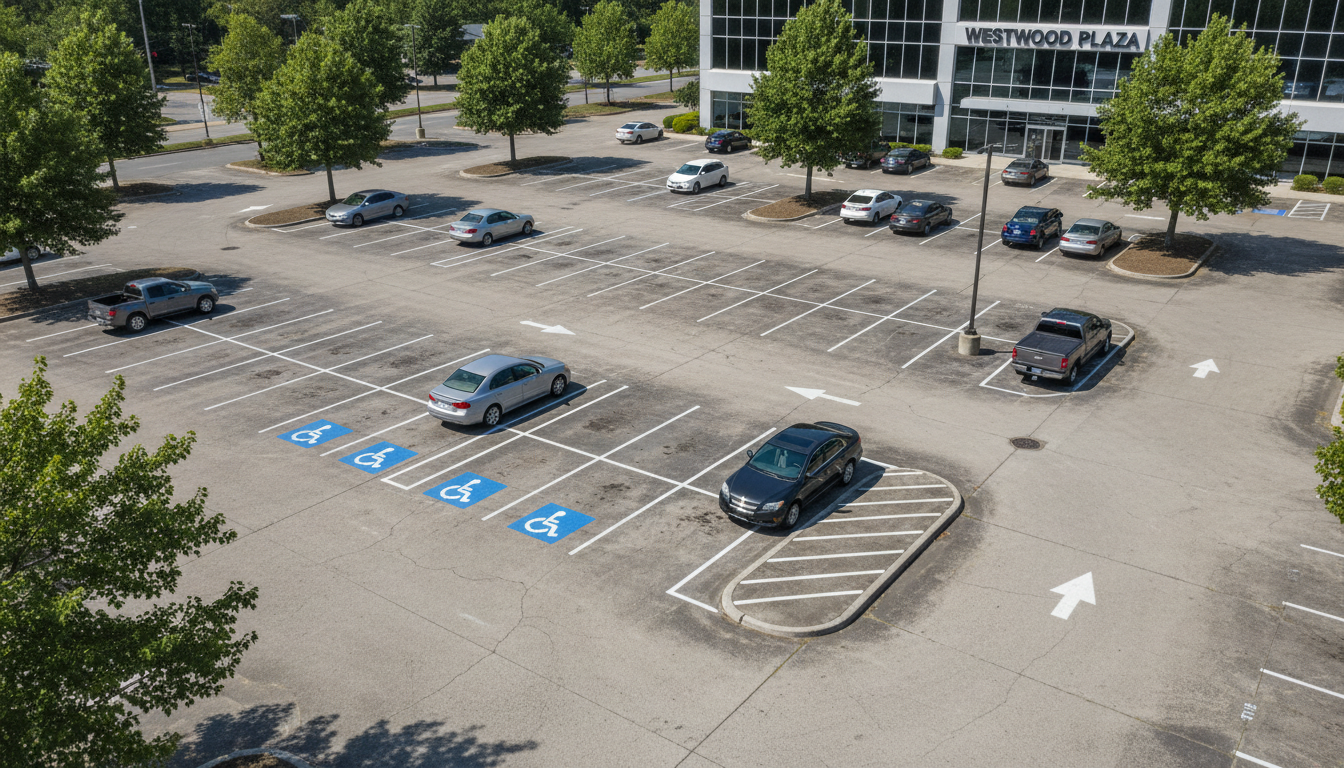
Adhering to depth regulations is only half of the equation; identifying what is already in the ground is the most critical safety step. In Southern California, state law requires that anyone planning to excavate must contact DigAlert (811) at least two working days before the project begins. This notification triggers utility companies to mark the approximate location of their underground lines with color coded paint or flags. However, these marks are not precise enough to rely on for mechanical digging.
To bridge the gap between a surface mark and a physical pipe, we utilize a process called potholing. This involves using vacuum excavation or careful manual digging to expose the utility and confirm its exact depth and orientation. California law mandates a tolerance zone that extends 24 inches on either side of the marked utility. Within this boundary, the use of power operated equipment like Bobcats is prohibited until the line is fully exposed. Technicians must use hand tools only to ensure that a bucket or blade does not accidentally sever a high voltage line or gas main.
Navigating these legal requirements and safety protocols is a standard part of our excavation and trenching services. Orange County Site Work Services manages all DigAlert coordination and potholing logistics, protecting you from the liability of utility strikes and ensuring the site remains safe for the duration of the utility trenching Orange County project. Contact our team for a site evaluation to discuss the safety requirements for your specific site.
Joint Trenching vs Parallel Trenching Strategies
Once existing lines are safely located through potholing, the focus shifts to selecting the most efficient layout for new infrastructure. Choosing the right layout strategy is essential for maximizing the efficiency of utility trenching Orange County projects. Joint trenching involves placing multiple dry utilities, such as electrical conduits, telephone lines, and cable television, within a single, wider excavation. This method significantly reduces labor and fuel costs because our Bobcats only need to clear one path rather than several separate channels. By consolidating these services, we minimize the overall footprint of the dig and reduce the volume of material that must be hauled away in our dump trailers.
Conversely, parallel trenching involves digging distinct, separated channels for different service lines. This approach is often mandatory when mixing wet utilities, like water and sewer, with dry lines, as strict state separation codes must be met to prevent hazards. Parallel paths are also necessary when local property easements or specific utility provider requirements dictate non-overlapping routes. For expert guidance on the most cost-effective layout for your property, contact our team for a site evaluation to discuss our comprehensive earthwork and grading solutions.
Why Professional Excavation is Critical for OC Property Owners
While selecting the right layout is a vital planning step, the physical execution requires a precision that rental equipment or manual labor rarely matches. Property owners who attempt their own digging risk striking high-voltage electrical conduits or rupturing pressurized irrigation systems, leading to hazardous conditions and expensive repairs that far exceed the cost of professional labor. Navigating a utility trenching Orange County project requires specialized machinery to maintain site order.
We utilize Bobcats for precise grading to ensure the land is returned to its proper elevation, which prevents future drainage issues and soil settling. Additionally, our dump trailers facilitate the efficient hauling of excess spoils and debris, keeping residential and commercial properties clean throughout the process. Since 2004, Orange County Site Work Services has leveraged a team-oriented approach to deliver dependable results. Our 20 years of local experience ensures that we anticipate potential underground conflicts before they occur. By opting for professional excavation and trenching services, you ensure your site work is completed correctly the first time. For help planning your next project, contact our team for a site evaluation.
Successful utility trenching in Orange County relies on careful planning, adherence to safety codes, and using the right machinery. Ensuring your underground lines are installed correctly today prevents expensive repairs in the future. If you want expert help navigating these complexities, our team is here to provide the precision your project requires. You can learn more about our professional background and our dedication to site safety before starting your next excavation. We are happy to help you achieve a reliable result for your property.